Question: Why is the one-and-done website strategy no longer the best strategy?
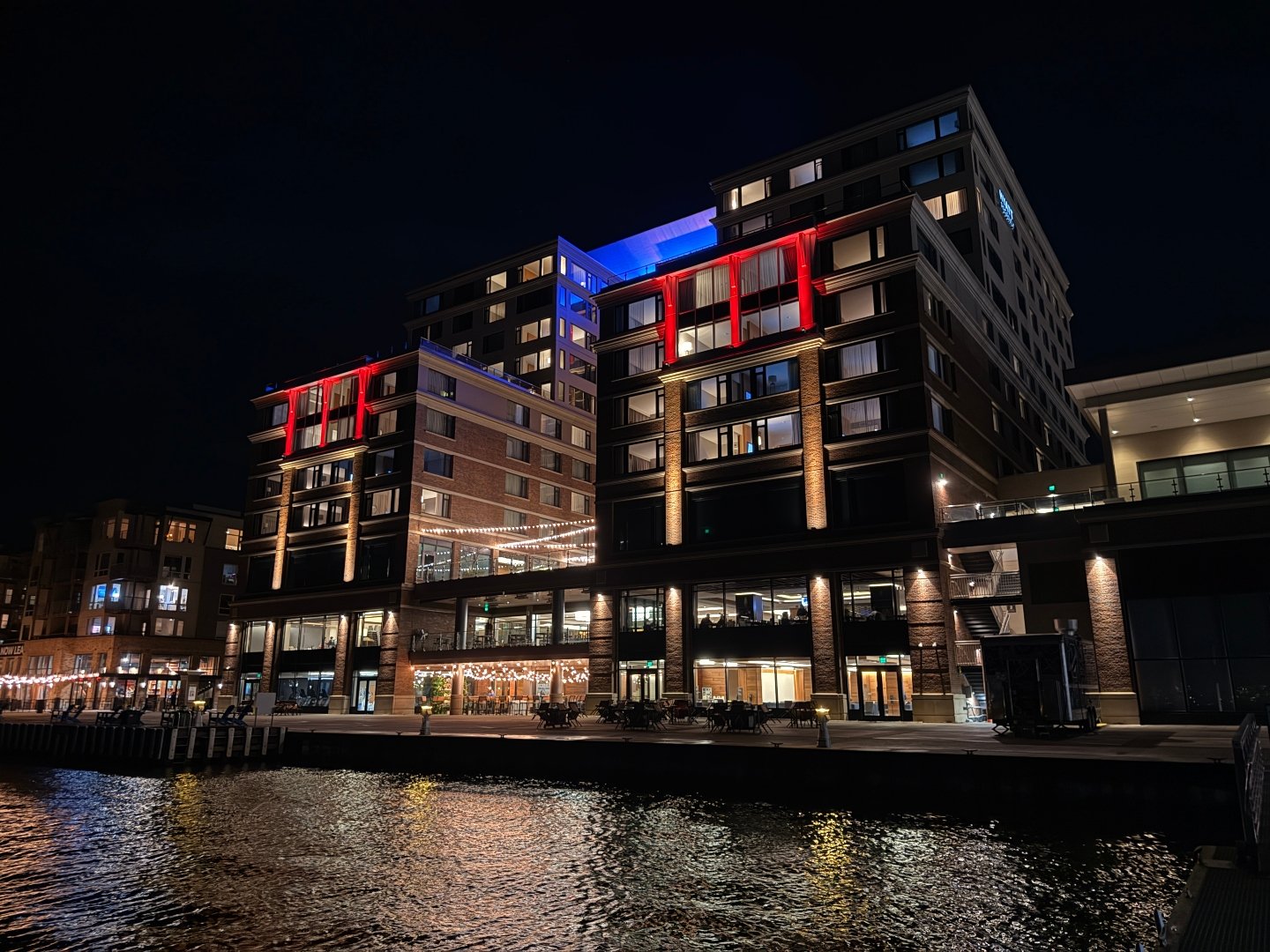
Renton Southport
Renton, WA
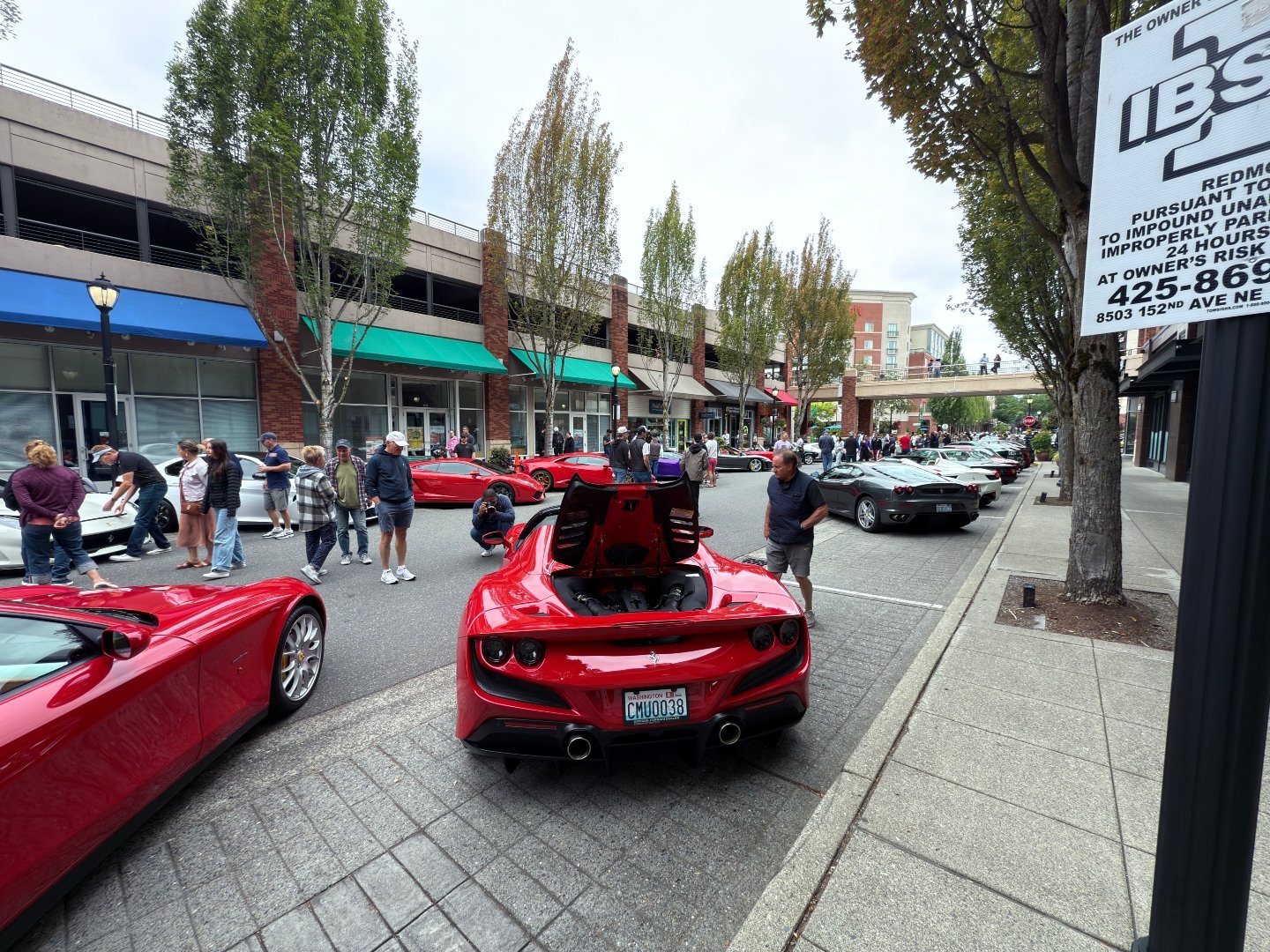
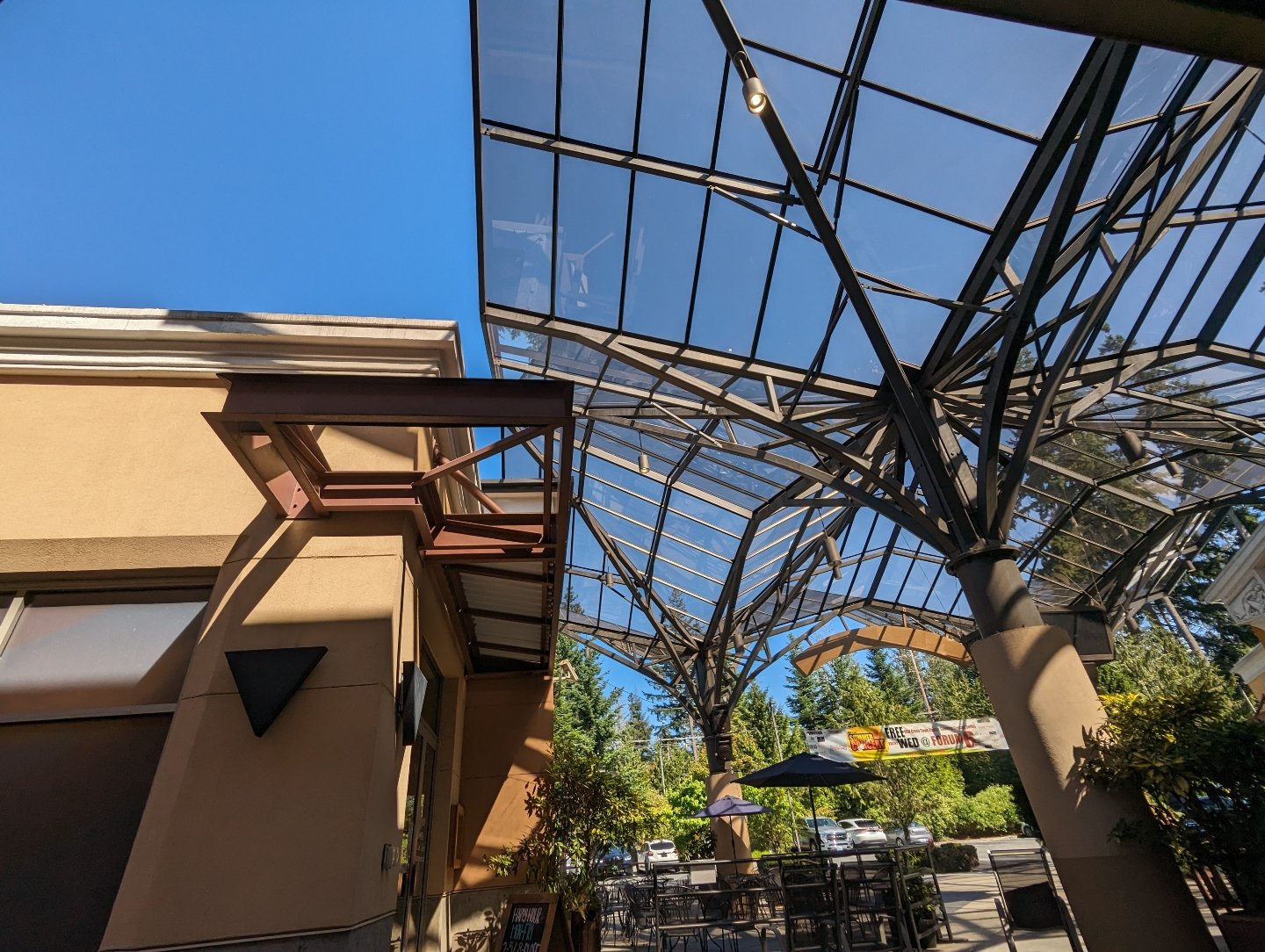
Redmond Town Center
Redmond, WA
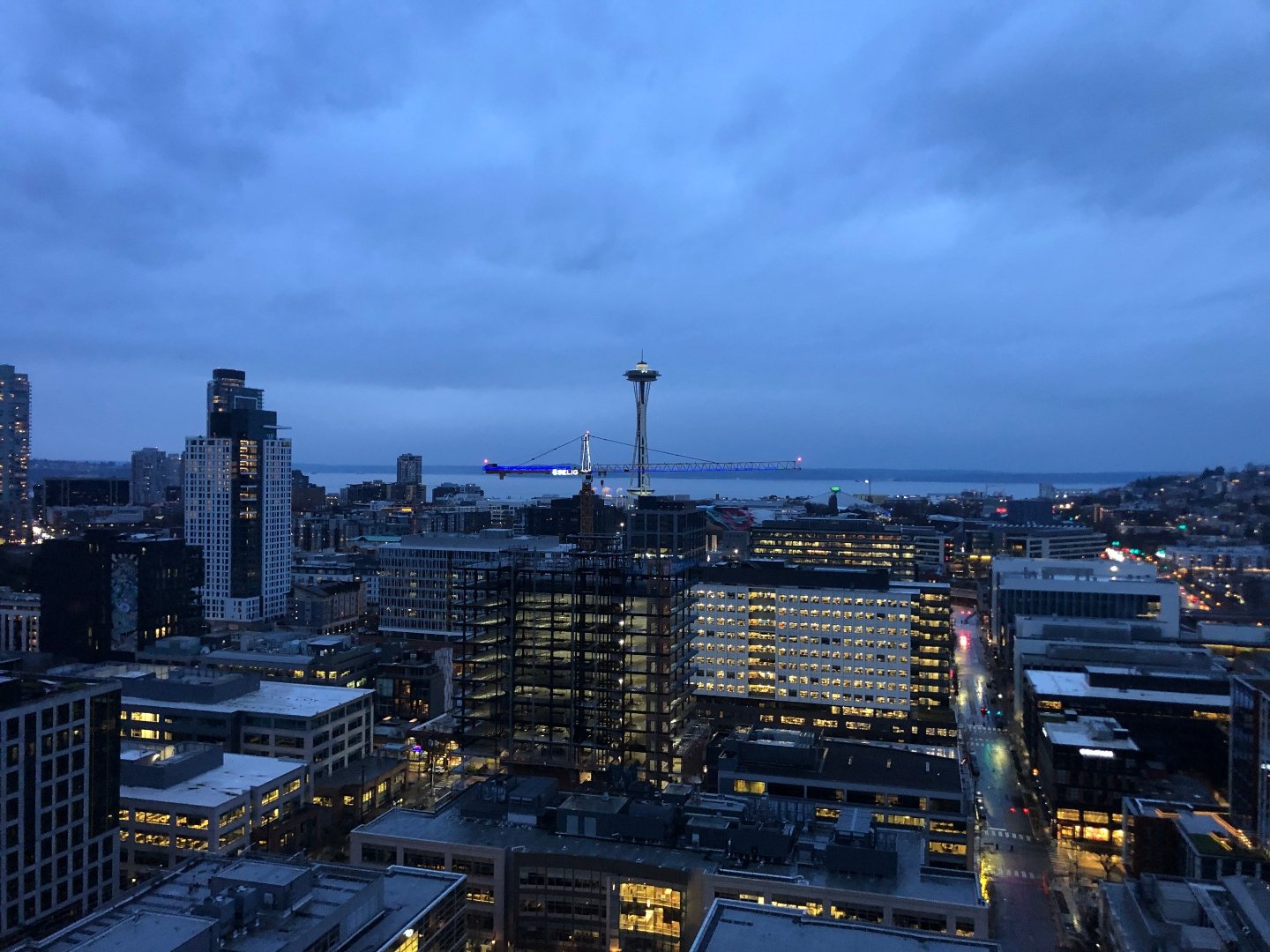
South Lake Union
Seattle, WA
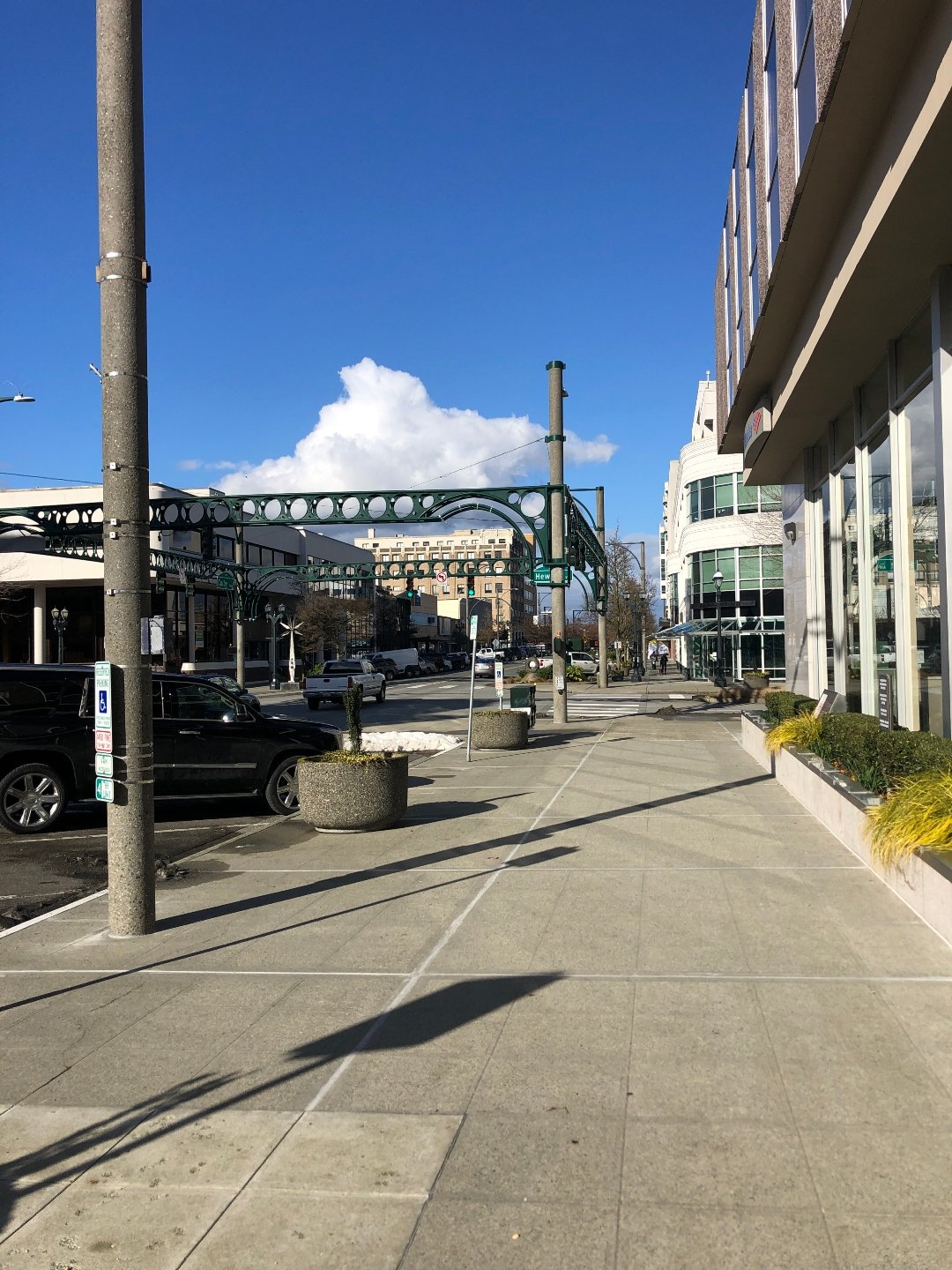
Downtown Everett
Everett, WA
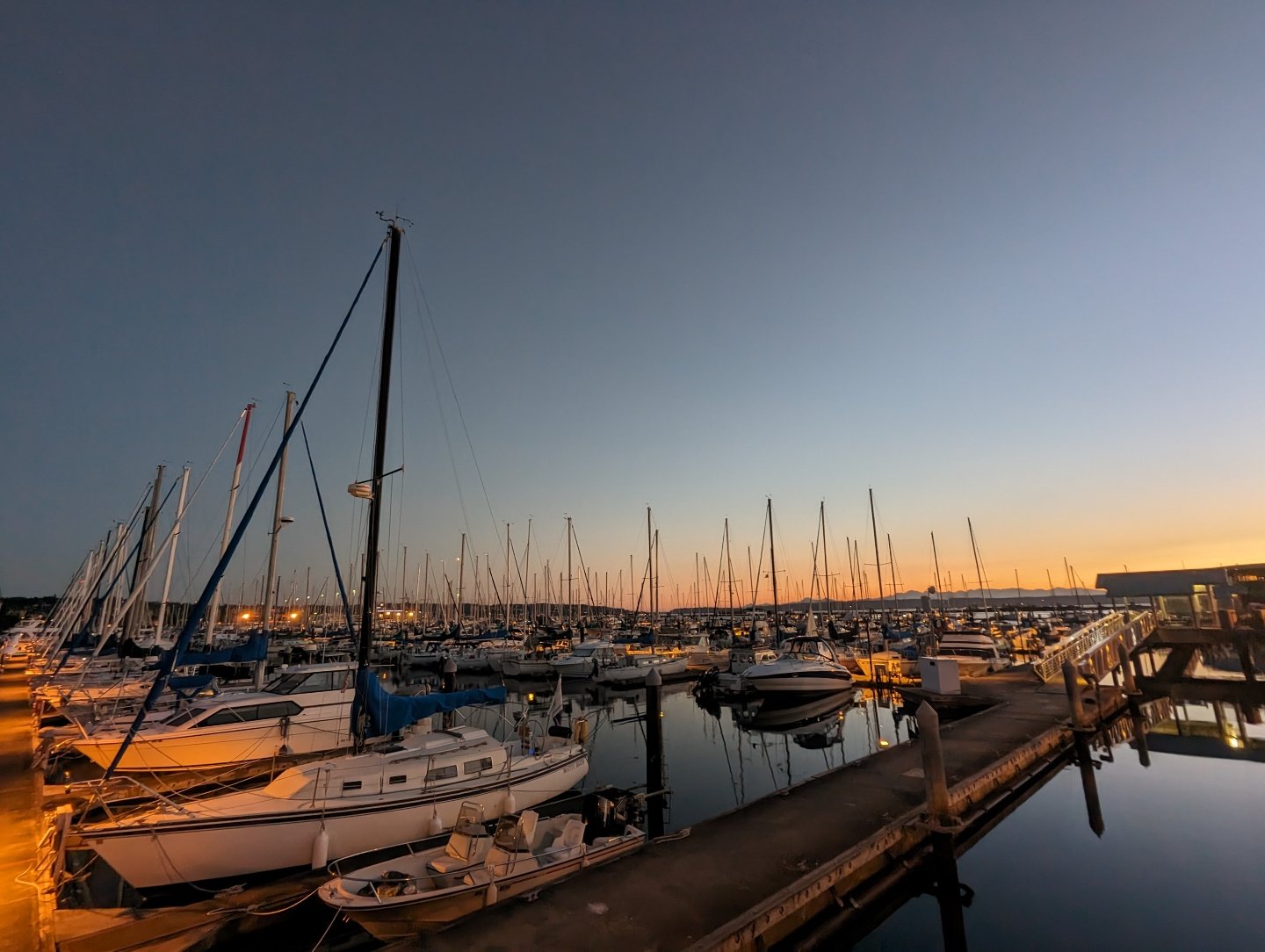
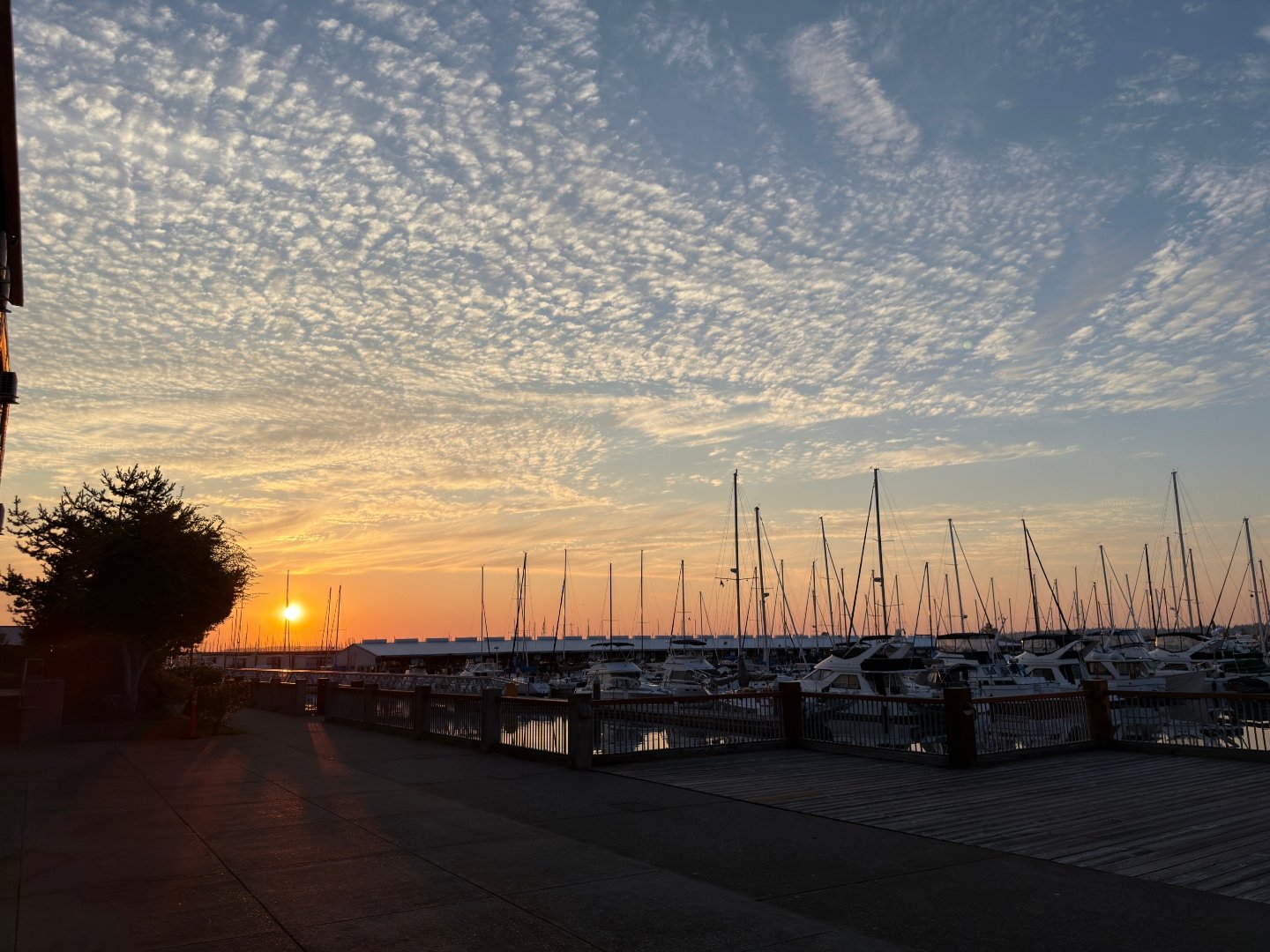
Everett Marina
Everett, WA
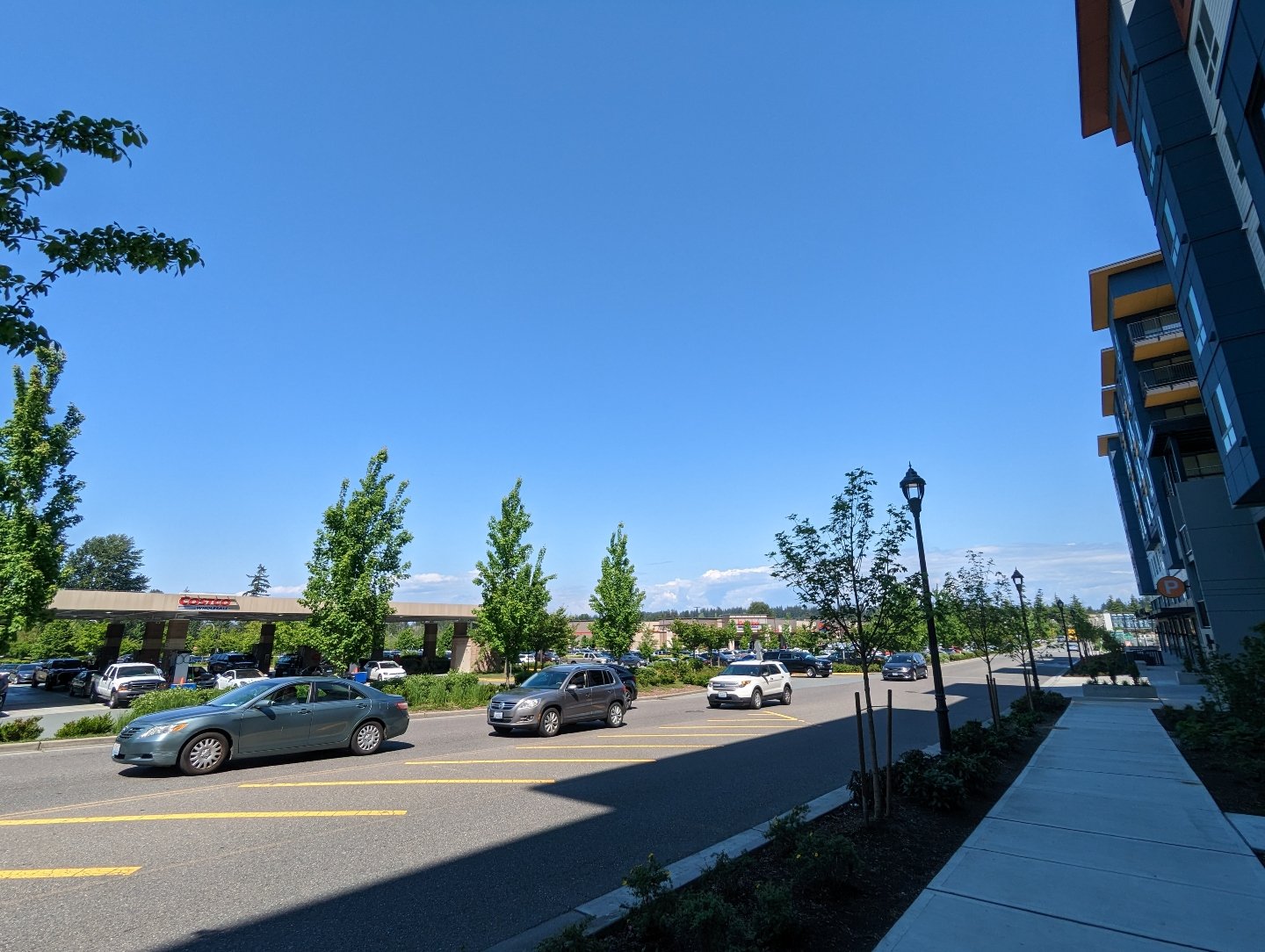
Costco Alderwood
Lynnwood, WA
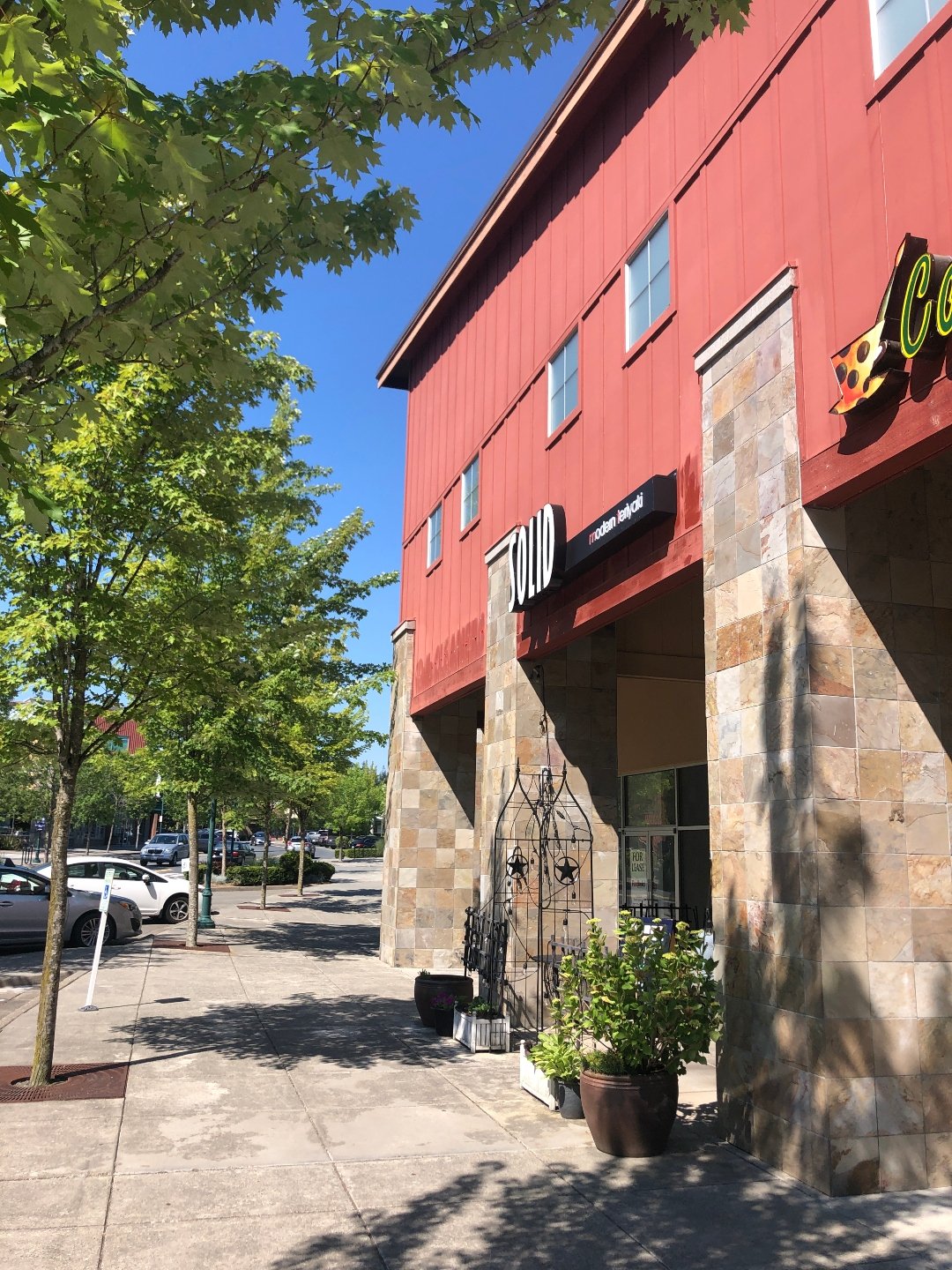
Mill Creek Town Center
Mill Creek, WA
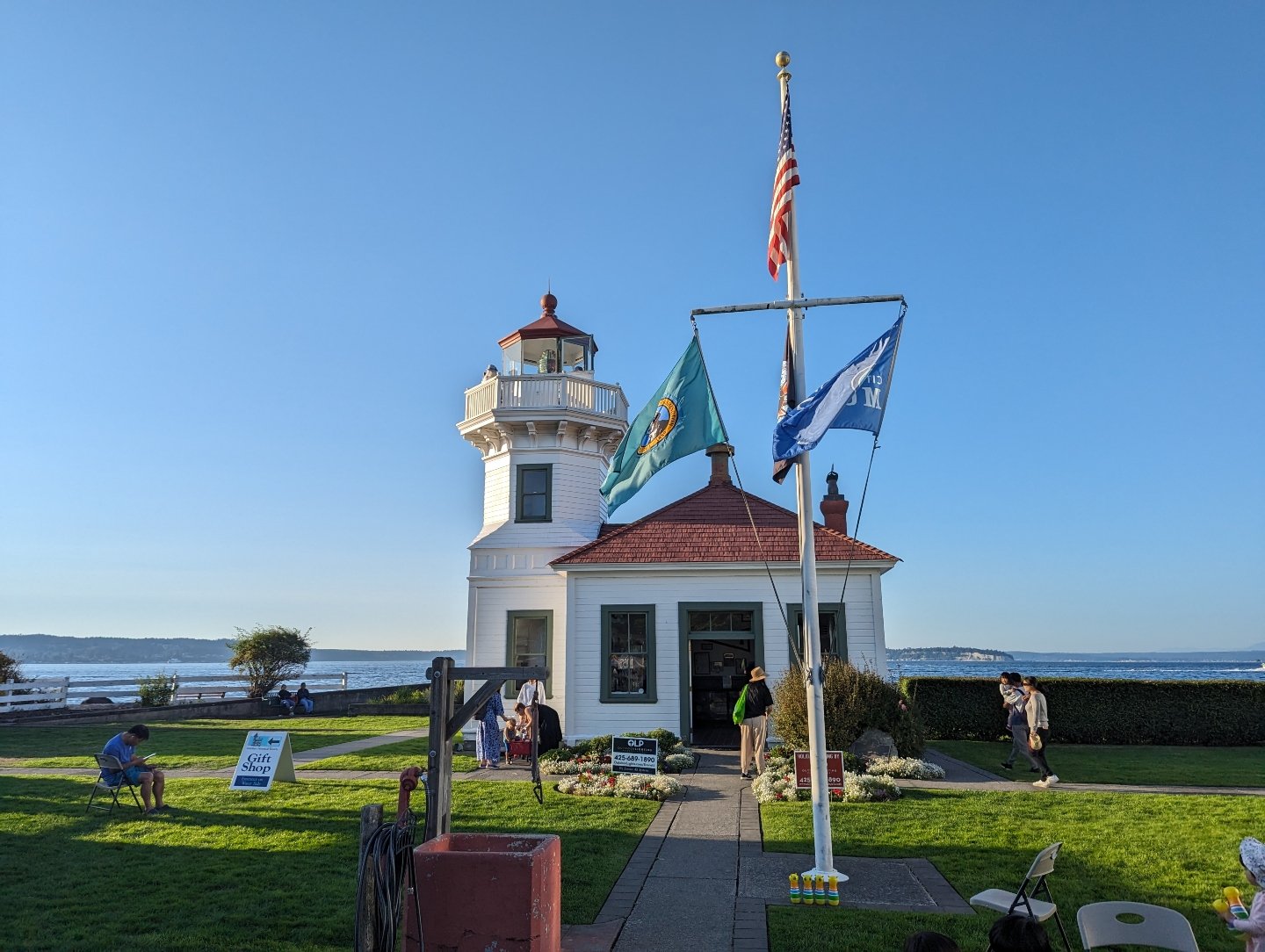
Lighthouse Park
Mukilteo, WA
Mill Creek Town Center
Mill Creek, WA
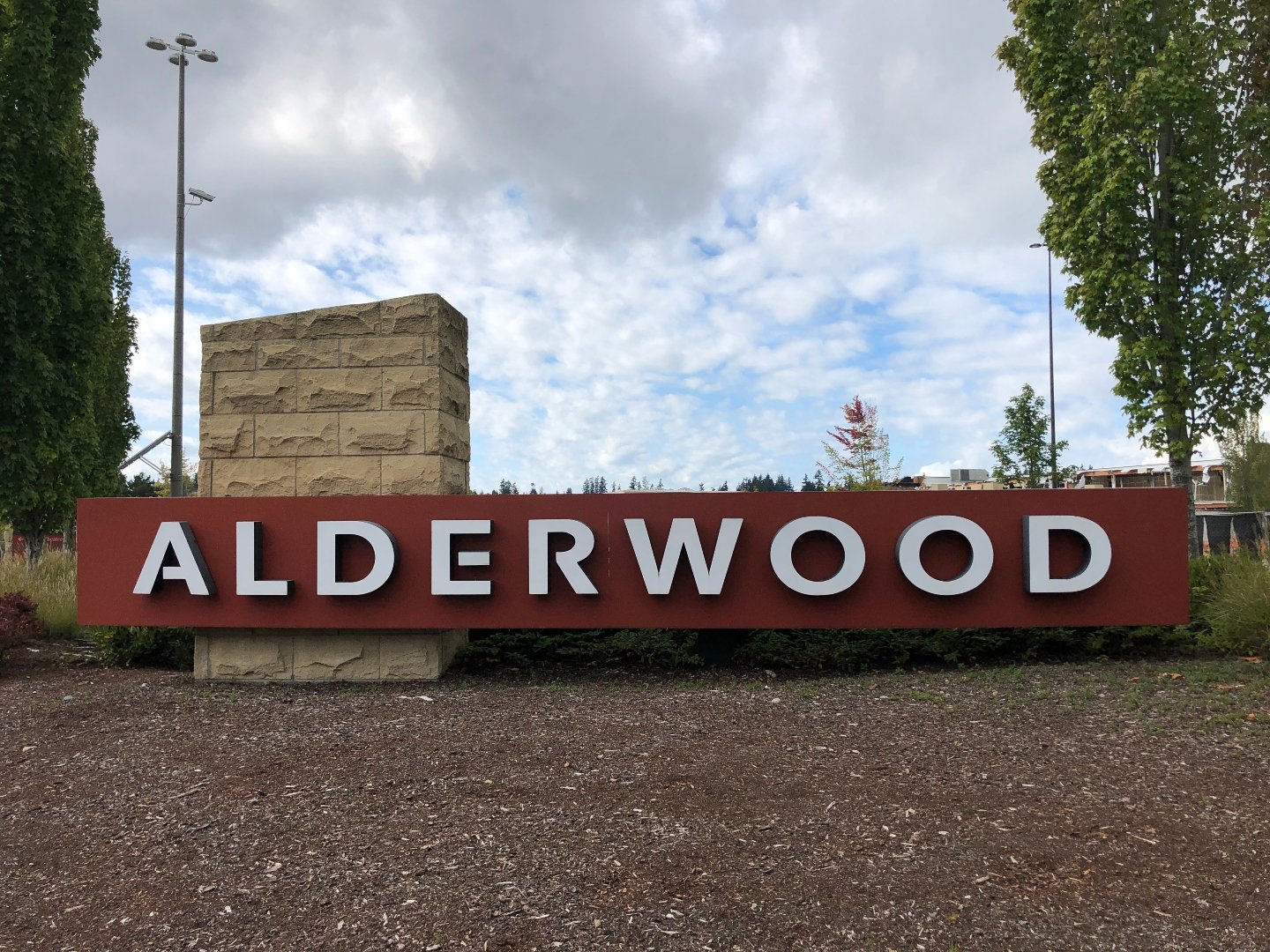
Alderwood
Lynnwood, WA
Everett Waterfront
Everett, WA
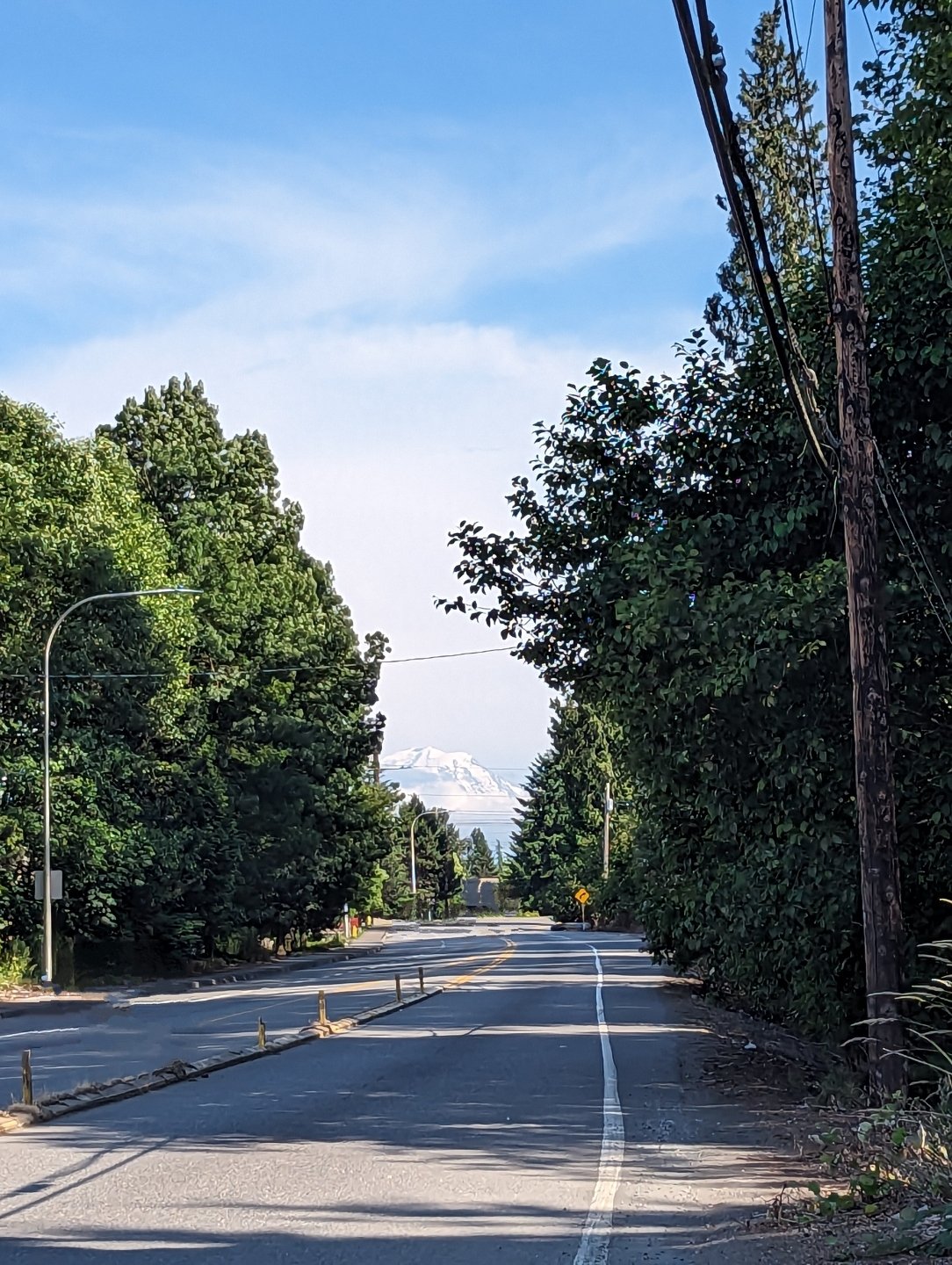
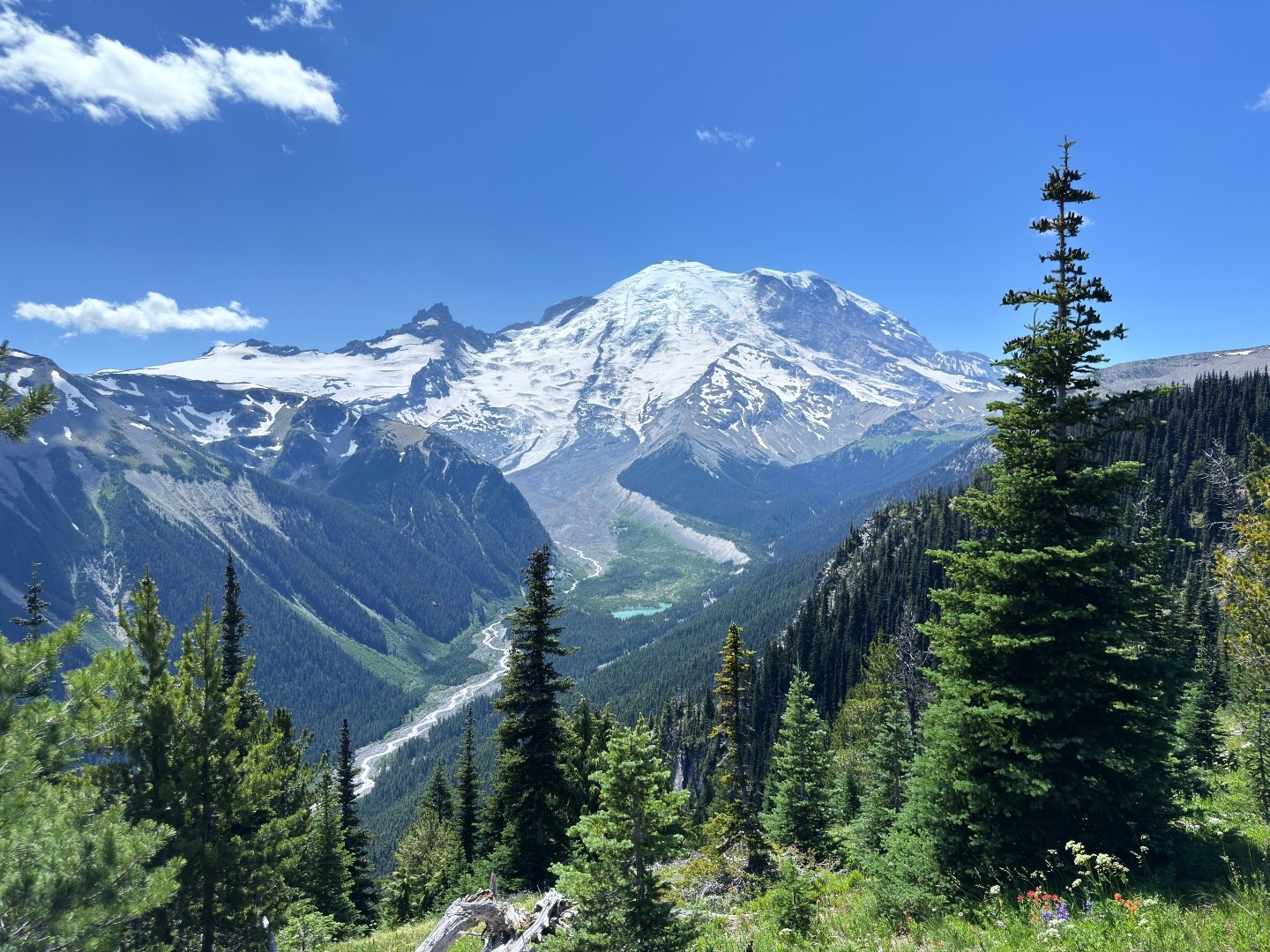
Mount Rainier National Park
Mount Rainier, WA
Alderwood Mall
Lynnwood, WA
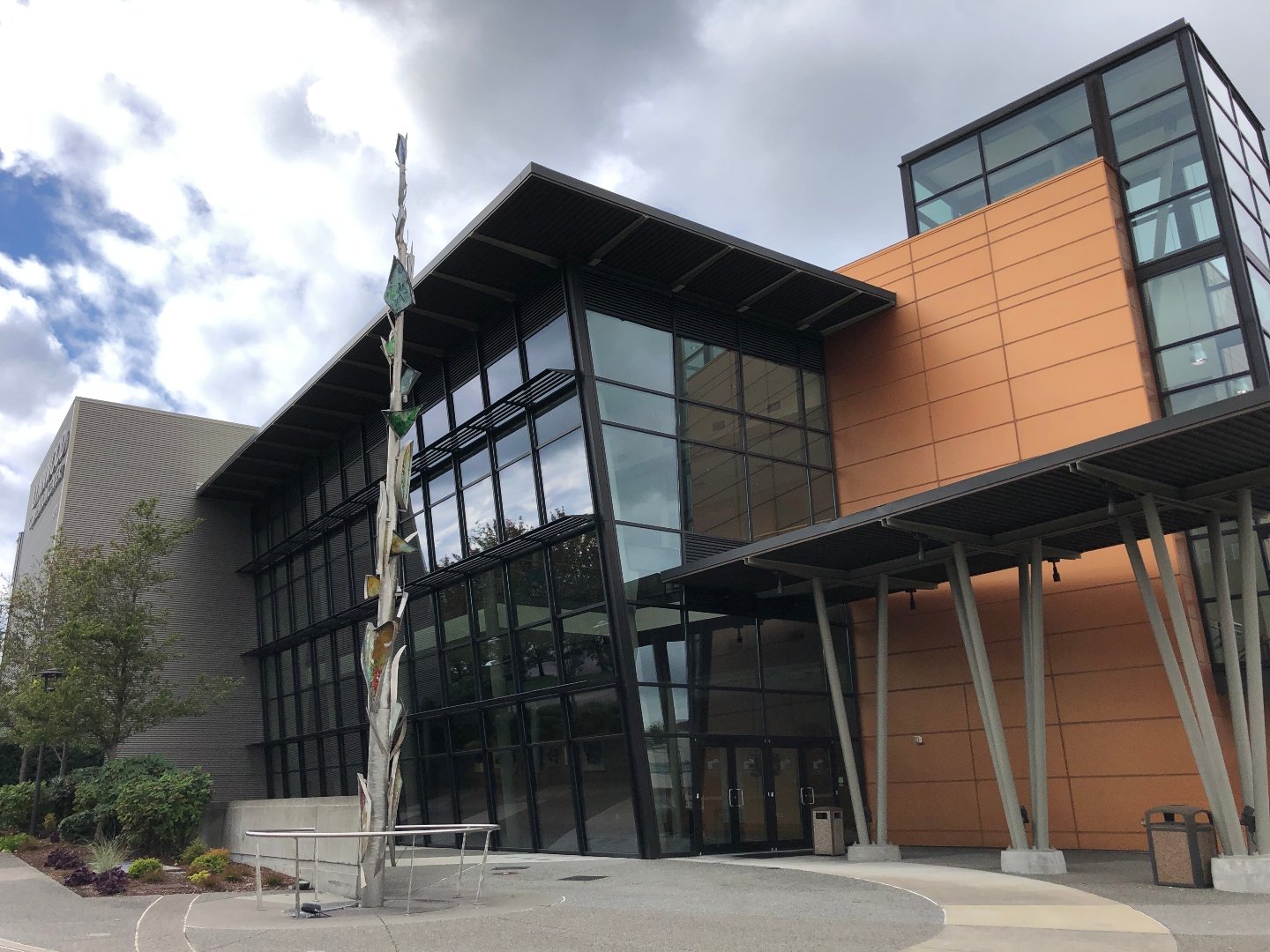
Lynnwood Convention Center
Lynnwood, WA
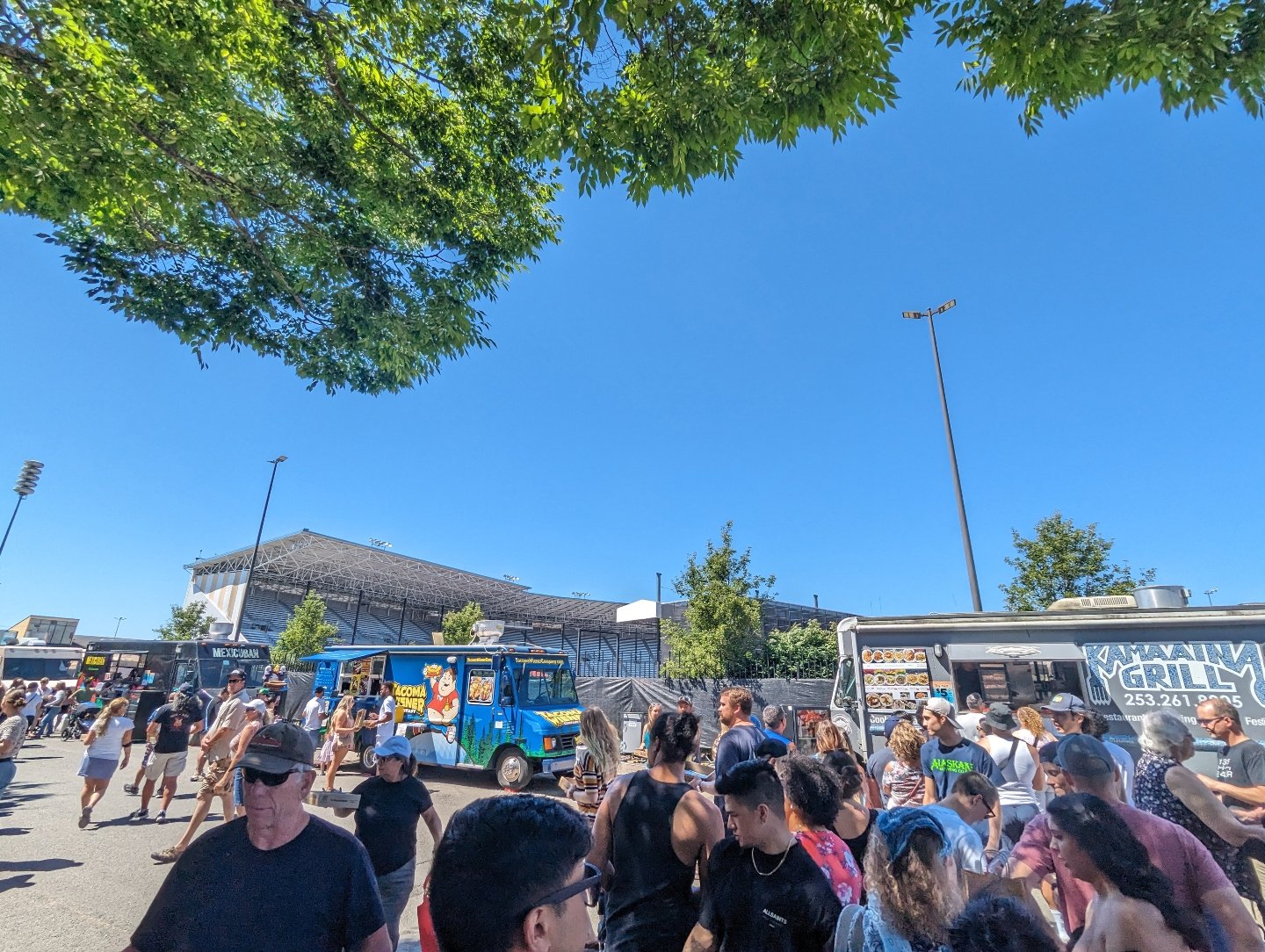
WA State Fair
Puyallup, WA
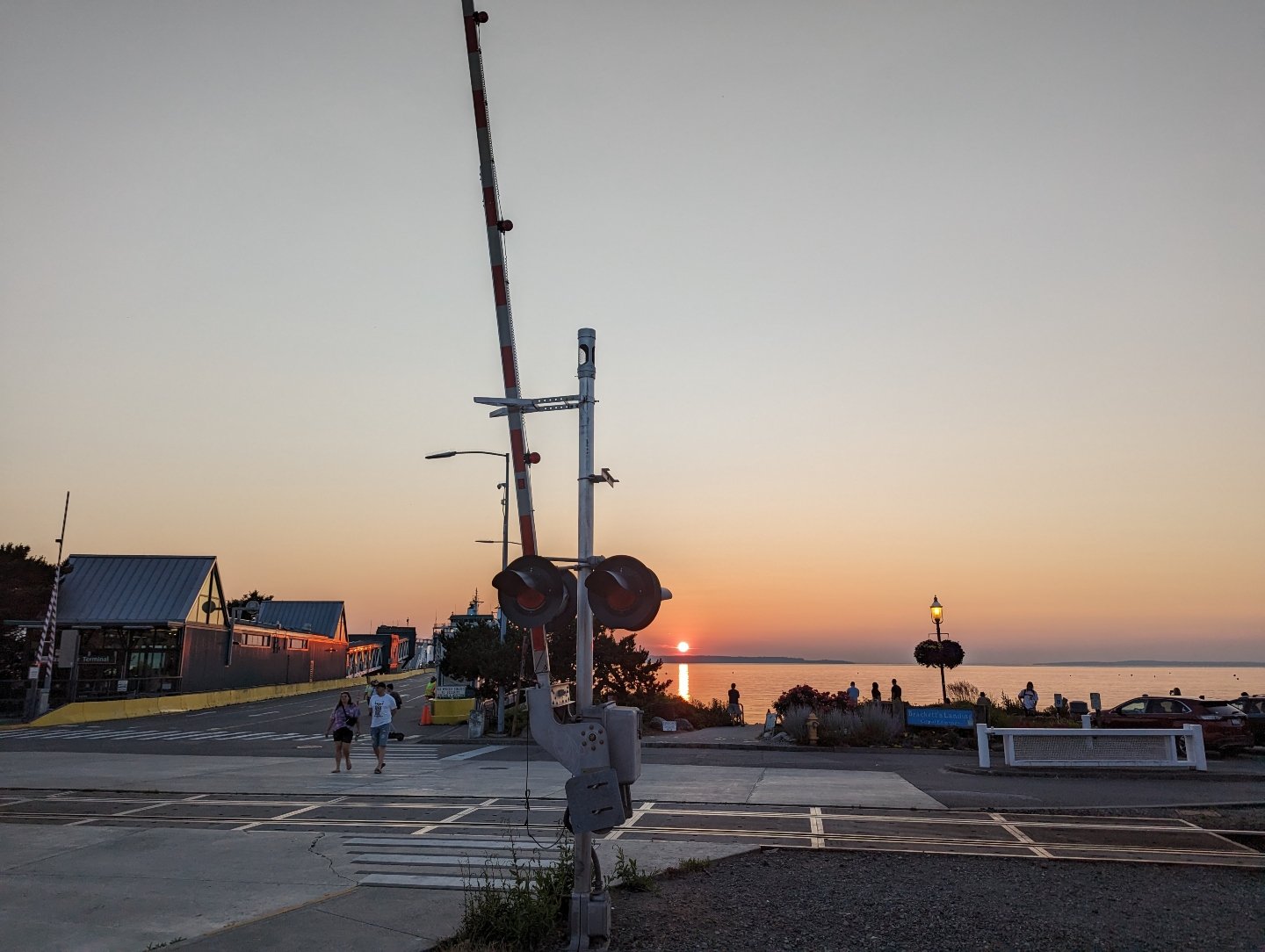
Train Track in Edmonds
Edmonds, WA
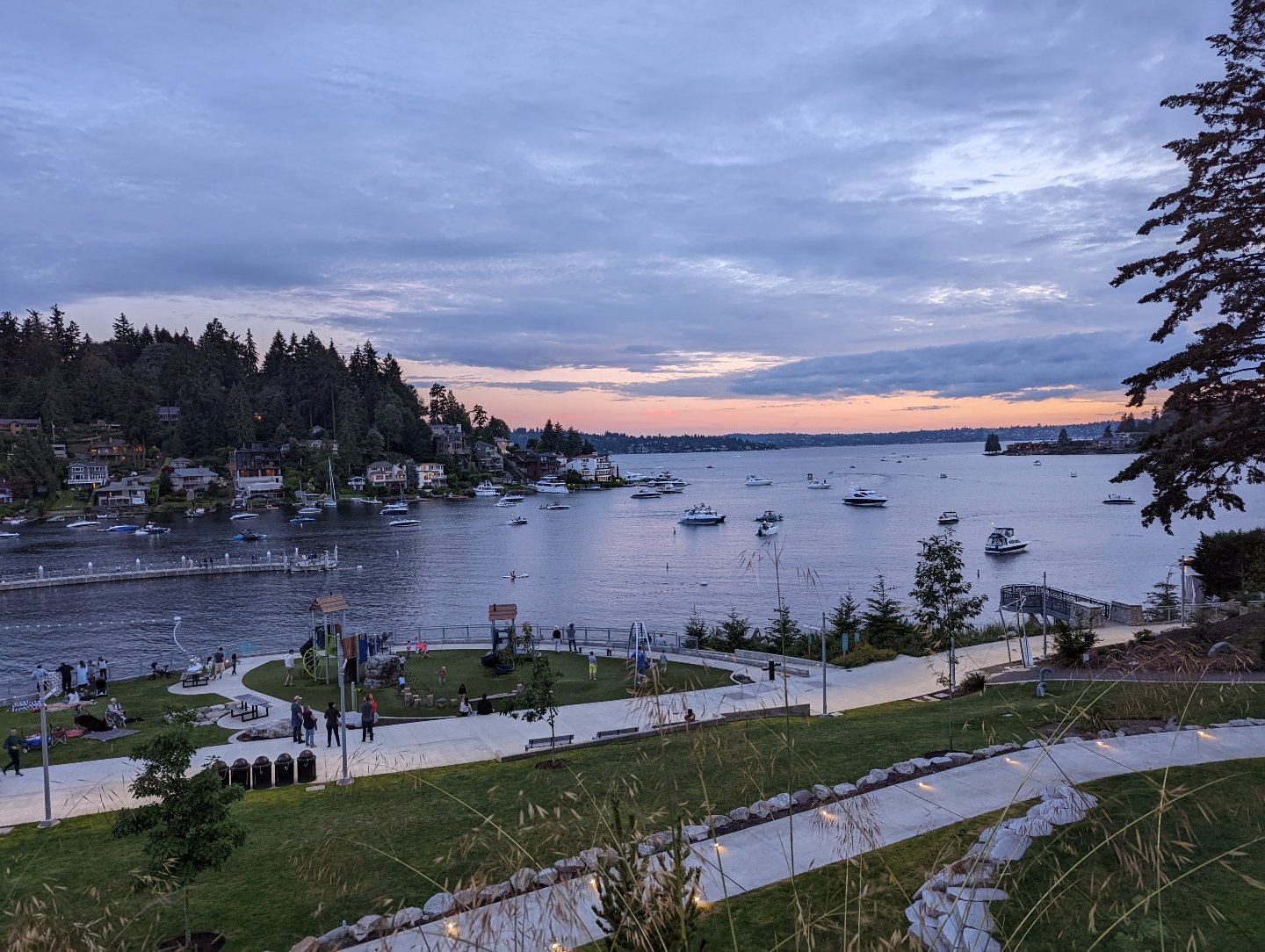
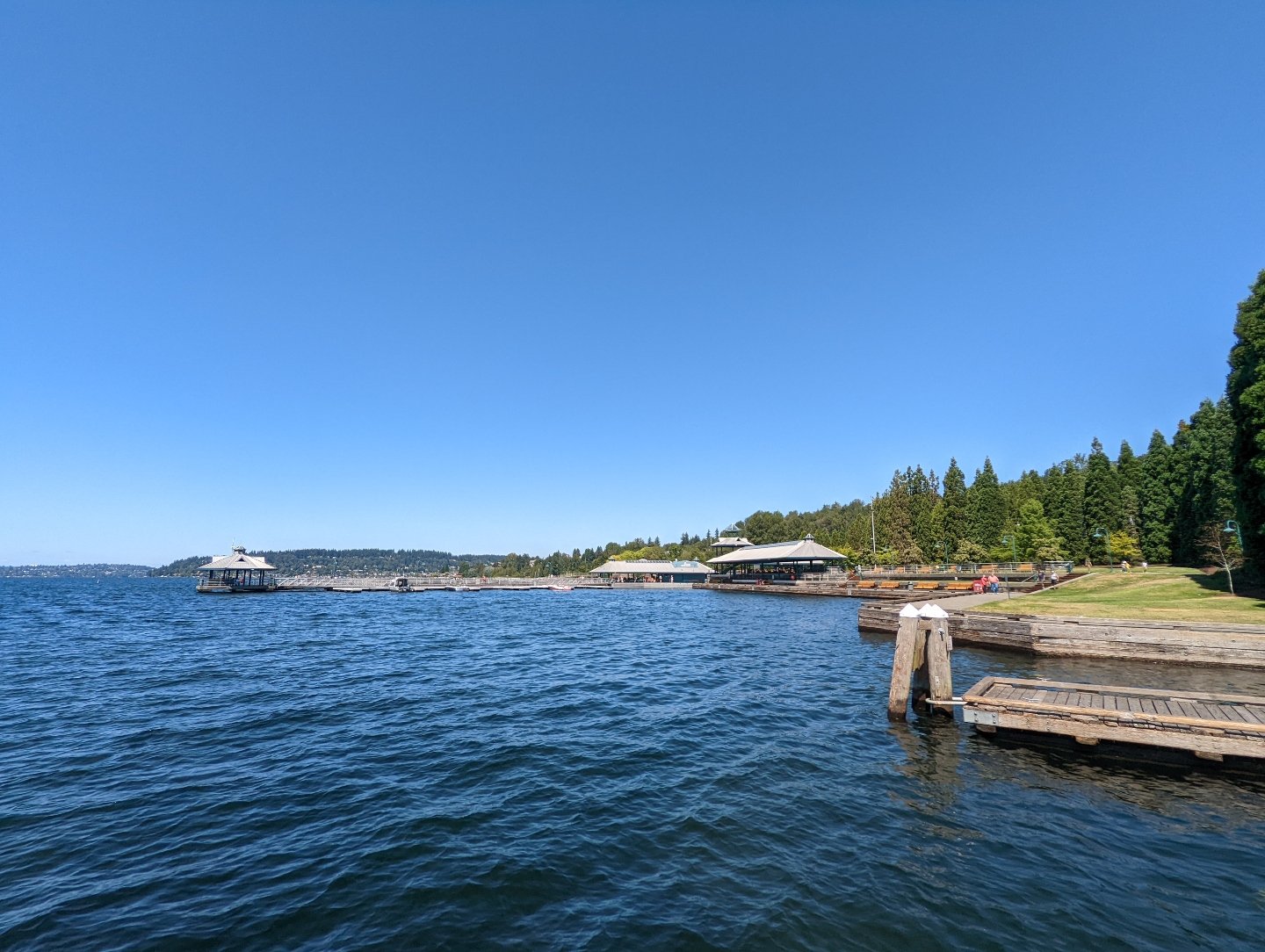
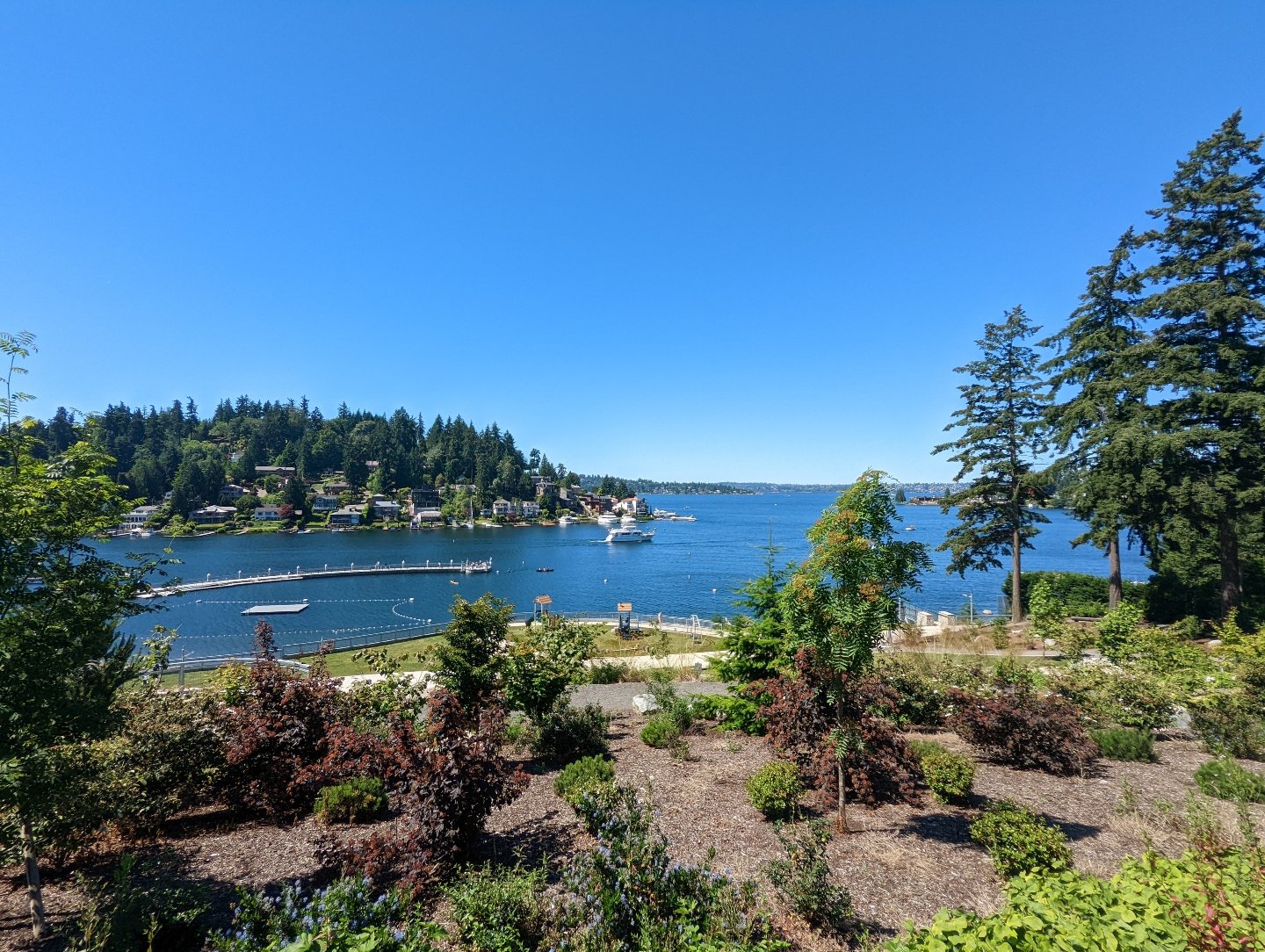
Meydenbauer Bay Park
Bellevue, WA
Sunrise Park
South Hill, WA
Lake Sammamish State Park
Issaquah, WA
Ballard Locks
Seattle, WA
IKEA Renton
Renton, WA
Kent Valley
Kent, WA
Lake Tapps
Lake Tapps, WA
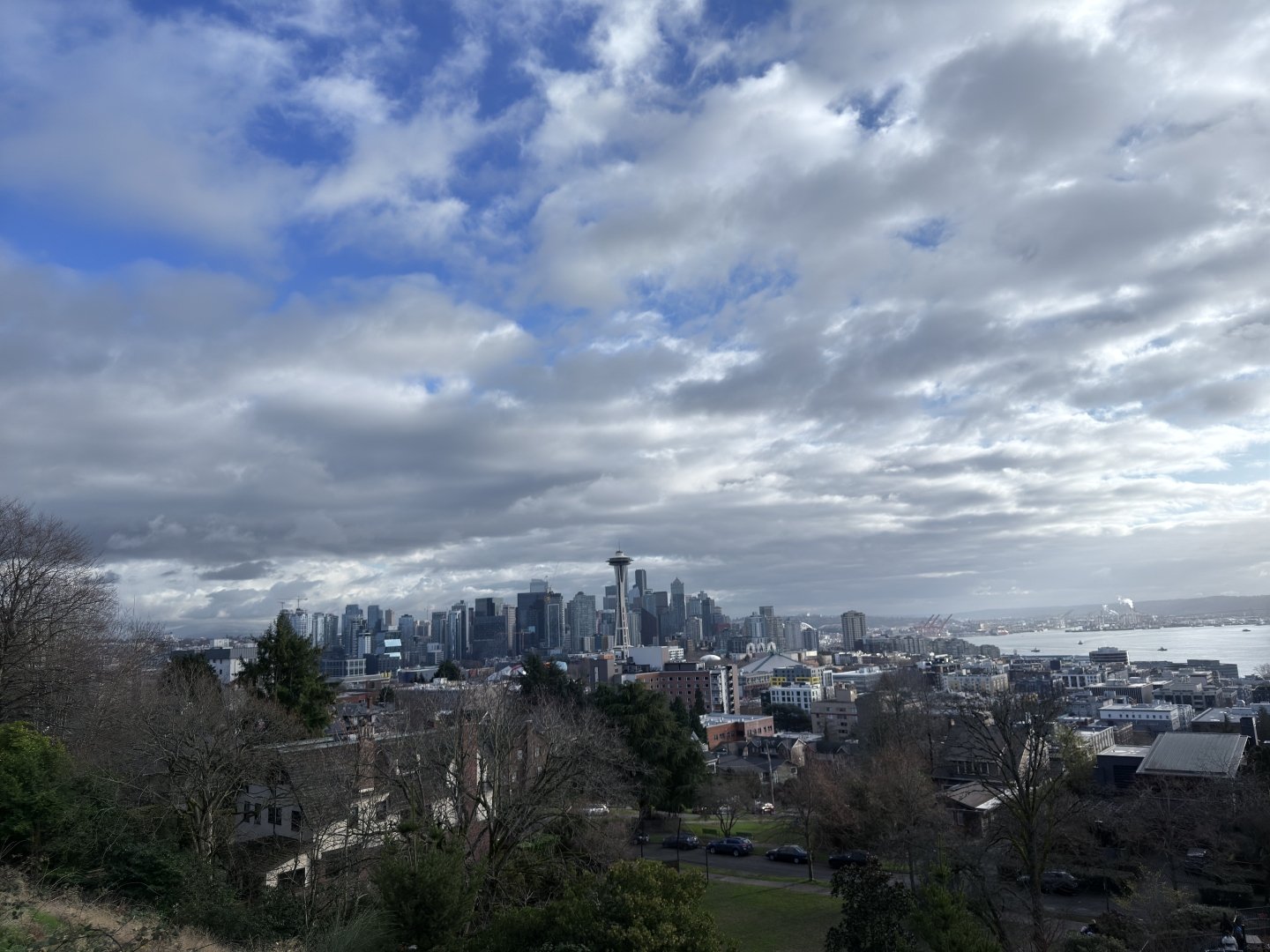
Kerry Park
Seattle, WA
Sunrise
Puyallup, WA
Point Ruston
Tacoma, WA
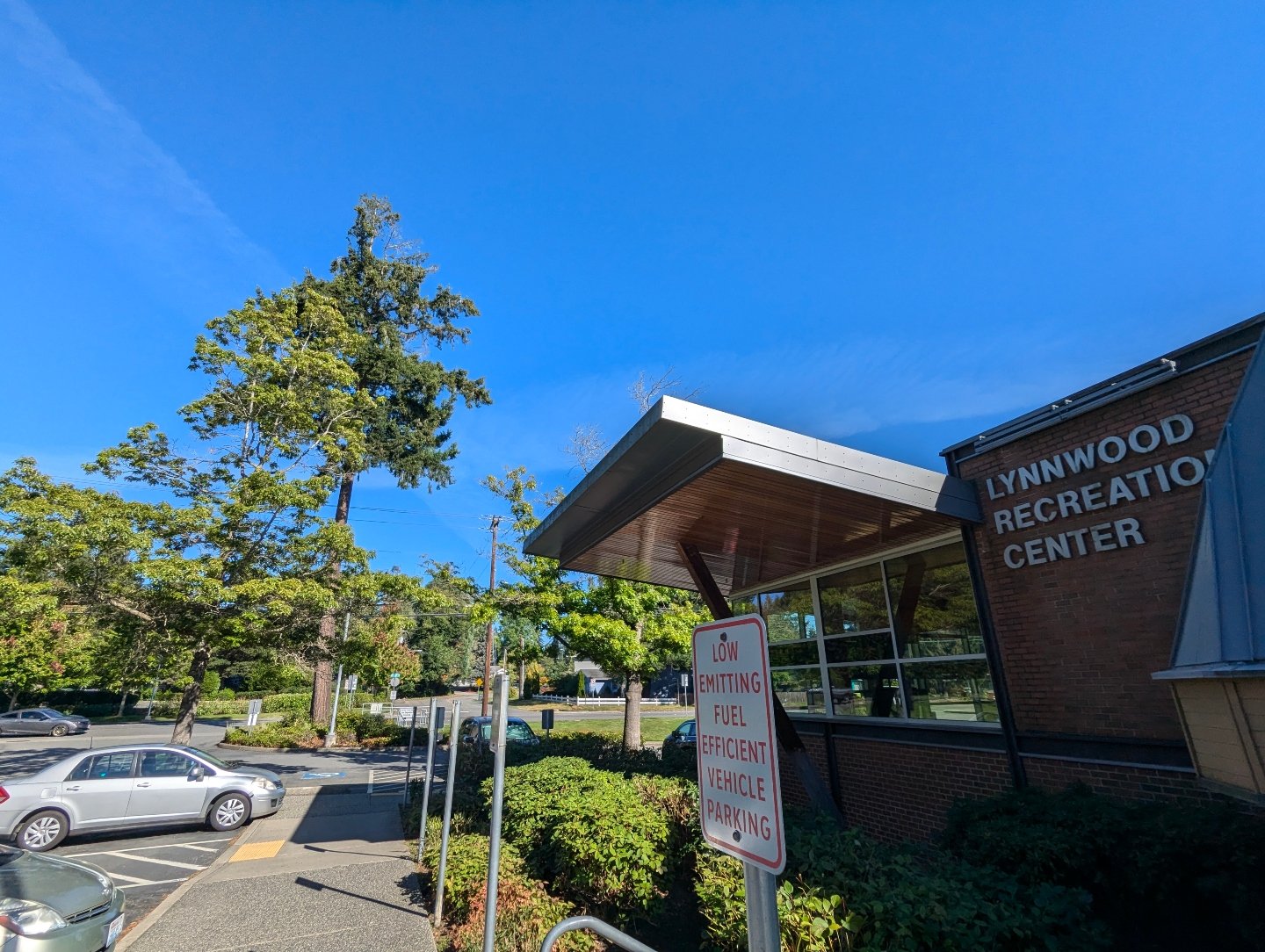
Lynnwood Recreation Center
Lynnwood, WA
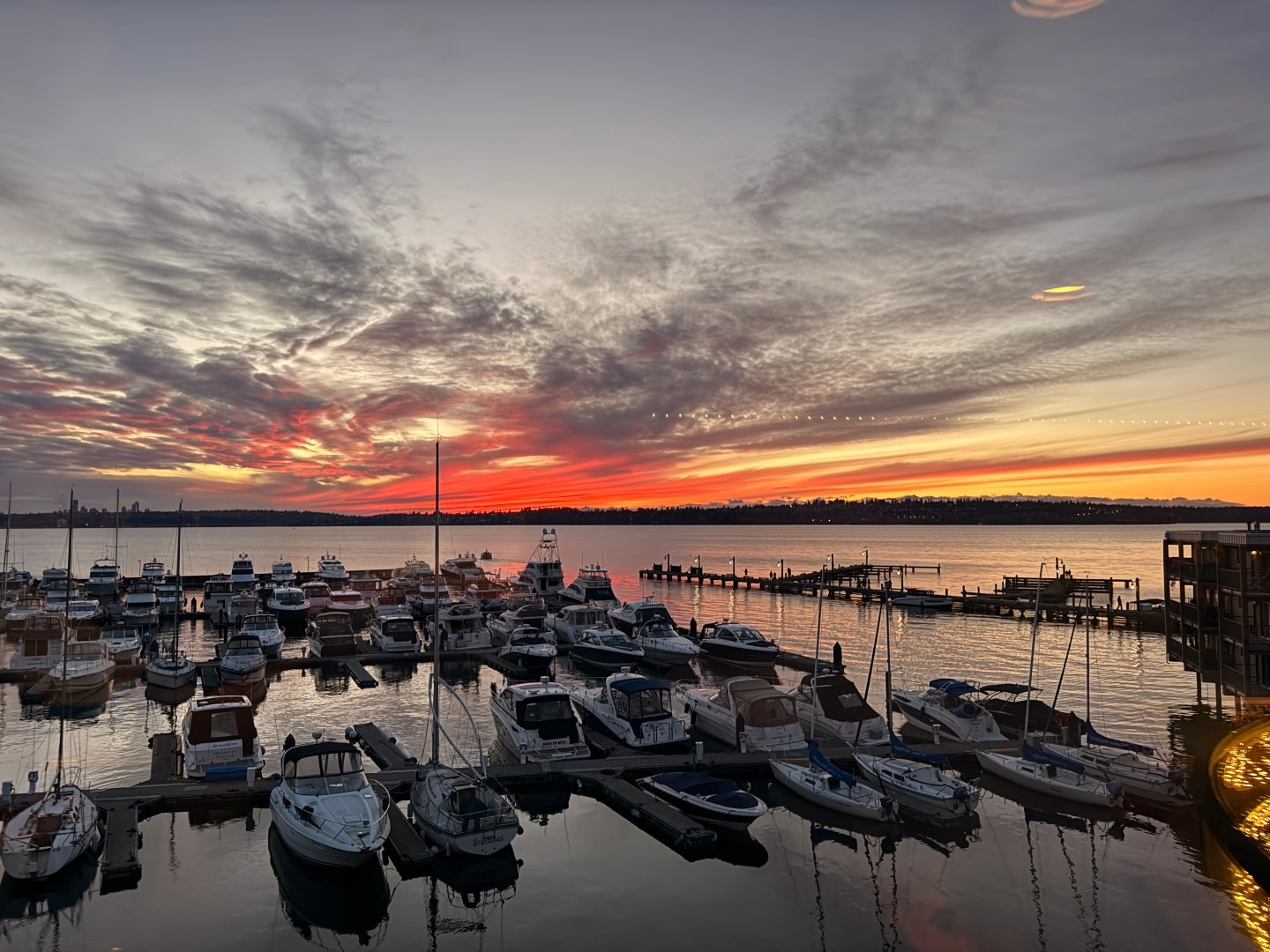
Kirkland Homeport Marina
Kirkland, WA
Theatre District
Tacoma, WA
West Valley Highway
Kent, WA
Gene Coulon Memorial Beach Park
Renton, WA
Edmonds Bowl
Edmonds, WA
Lincoln Park
West Seattle, WA
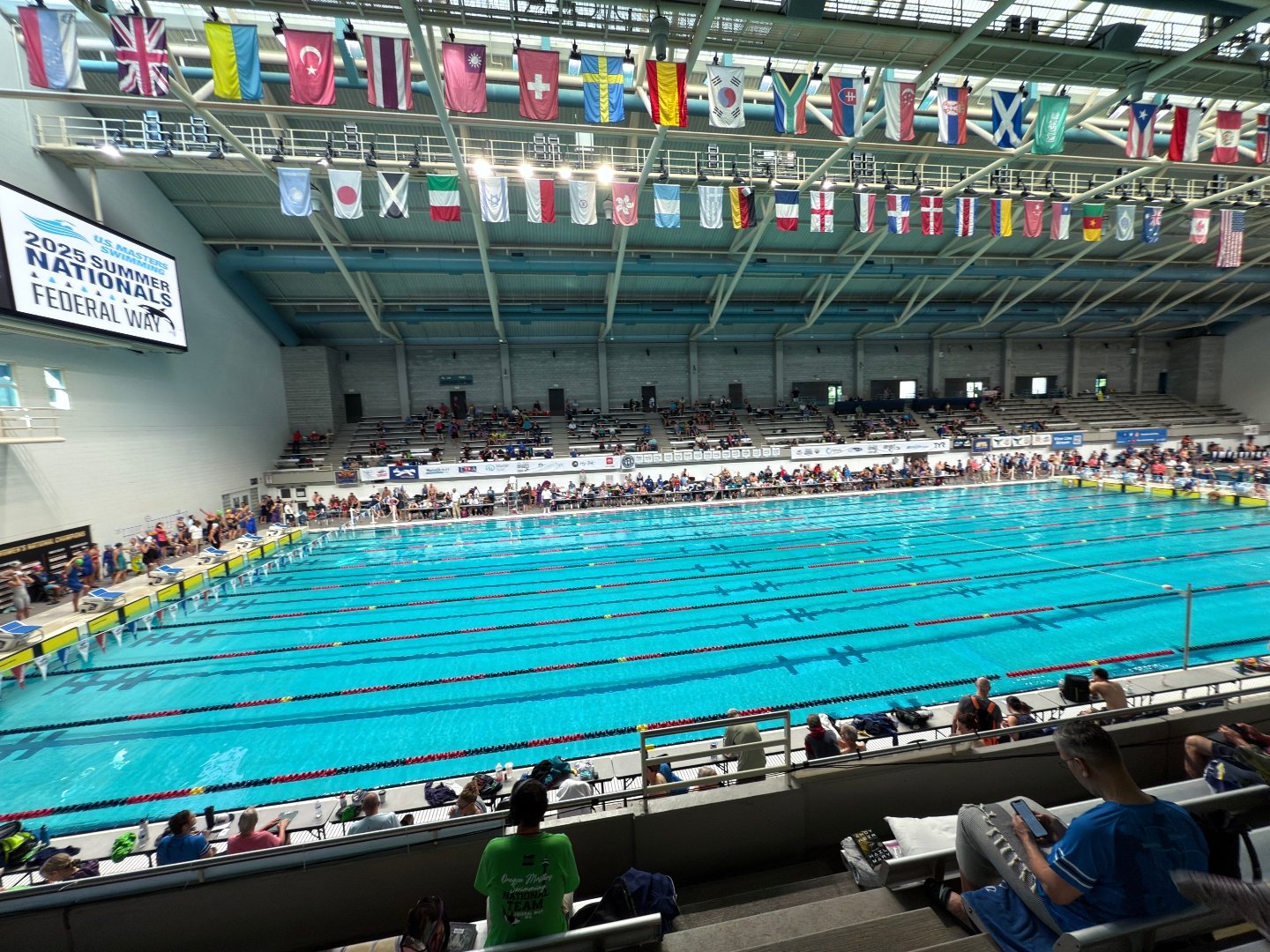
Weyerhauser Aquatic Center
Federal Way, WA
Bellevue Square
Bellevue, WA
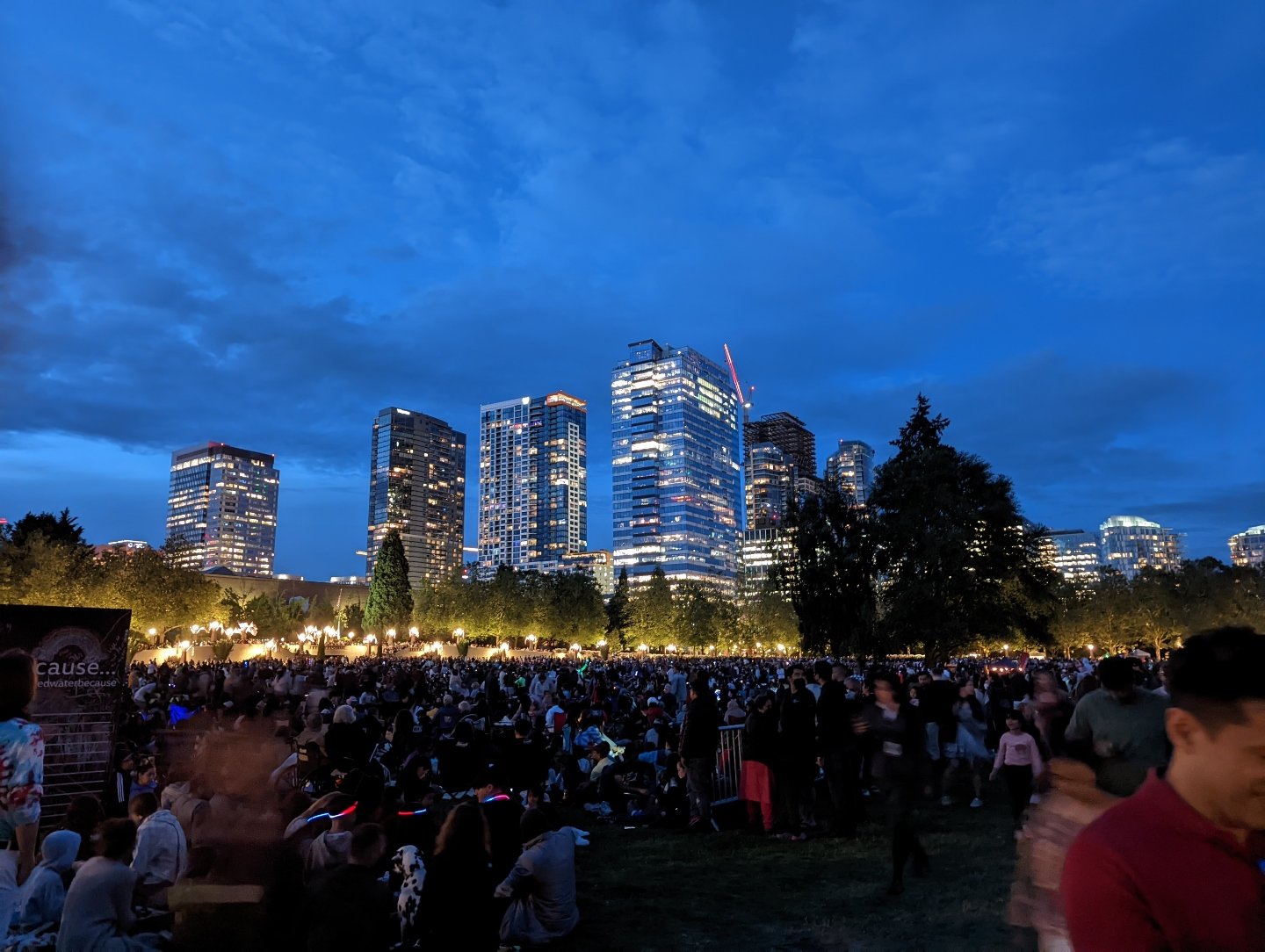
Bellevue Downtown Park
Bellevue, WA
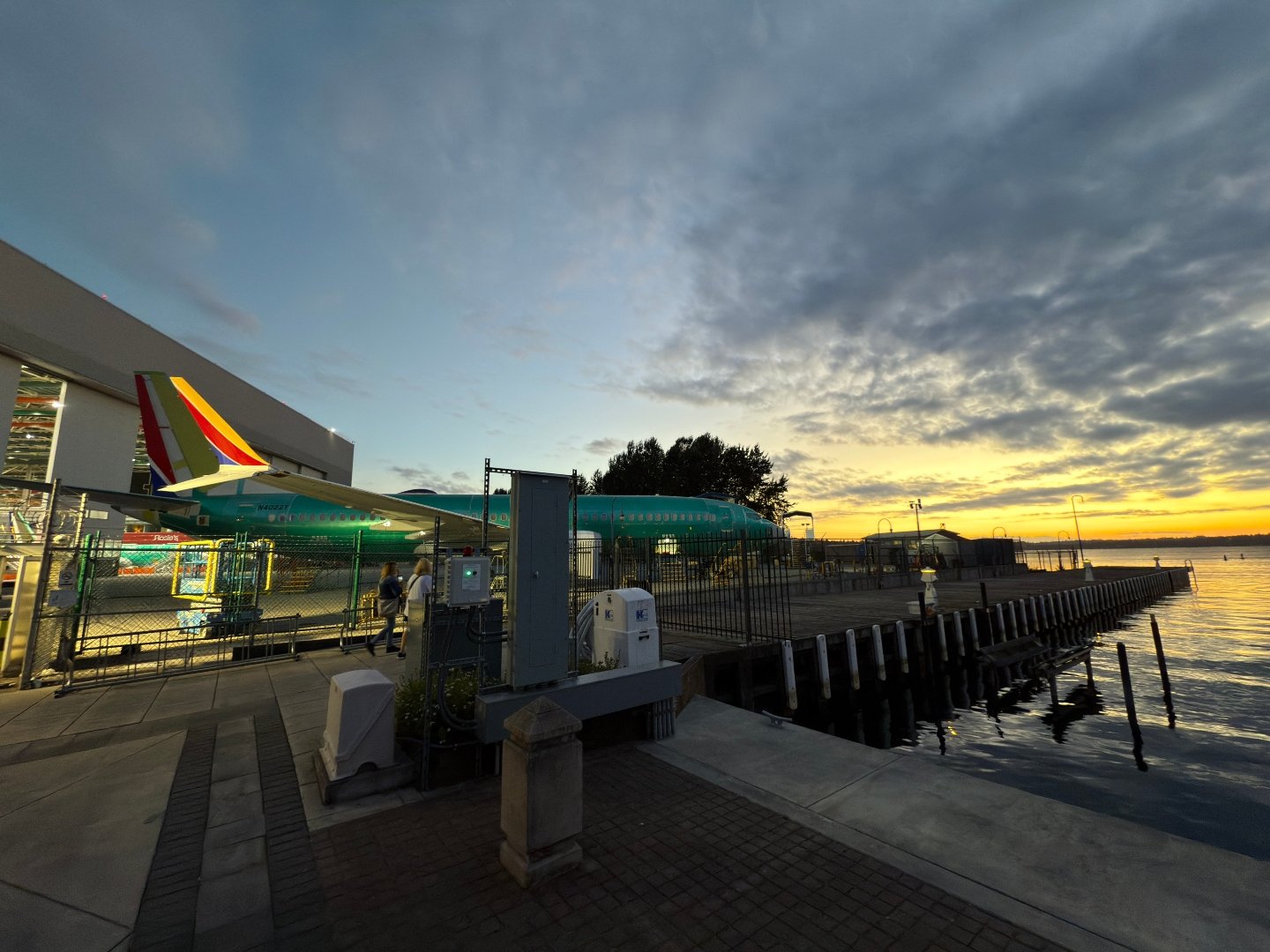
Boeing Renton Factory
Renton, WA
Pioneer Park
Puyallup, WA
Brooklyn Bros Pizza
Mill Creek, WA
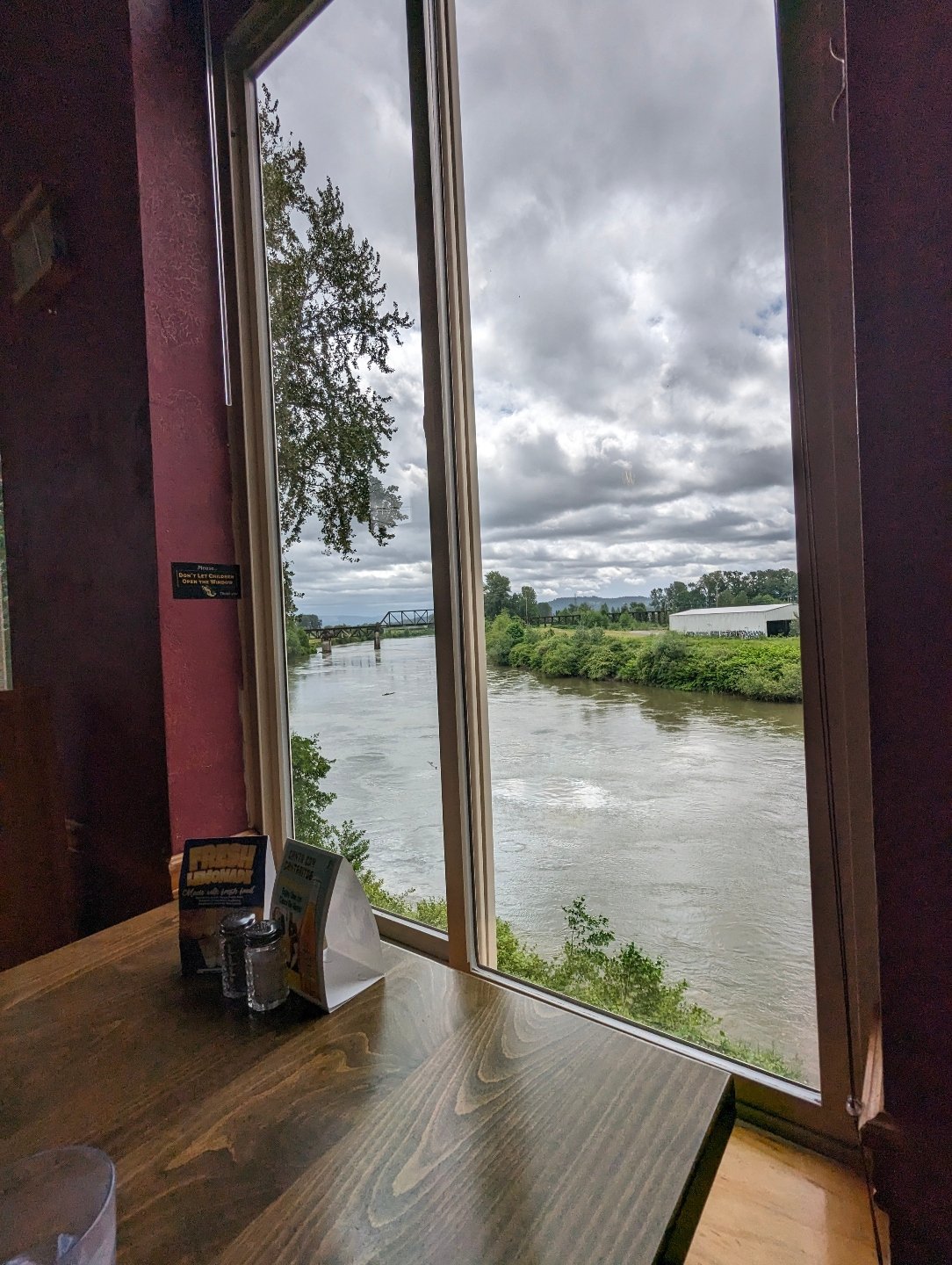
Snohomish River
Snohomish, WA
Meydenbauer Bay Park
Bellevue, WA
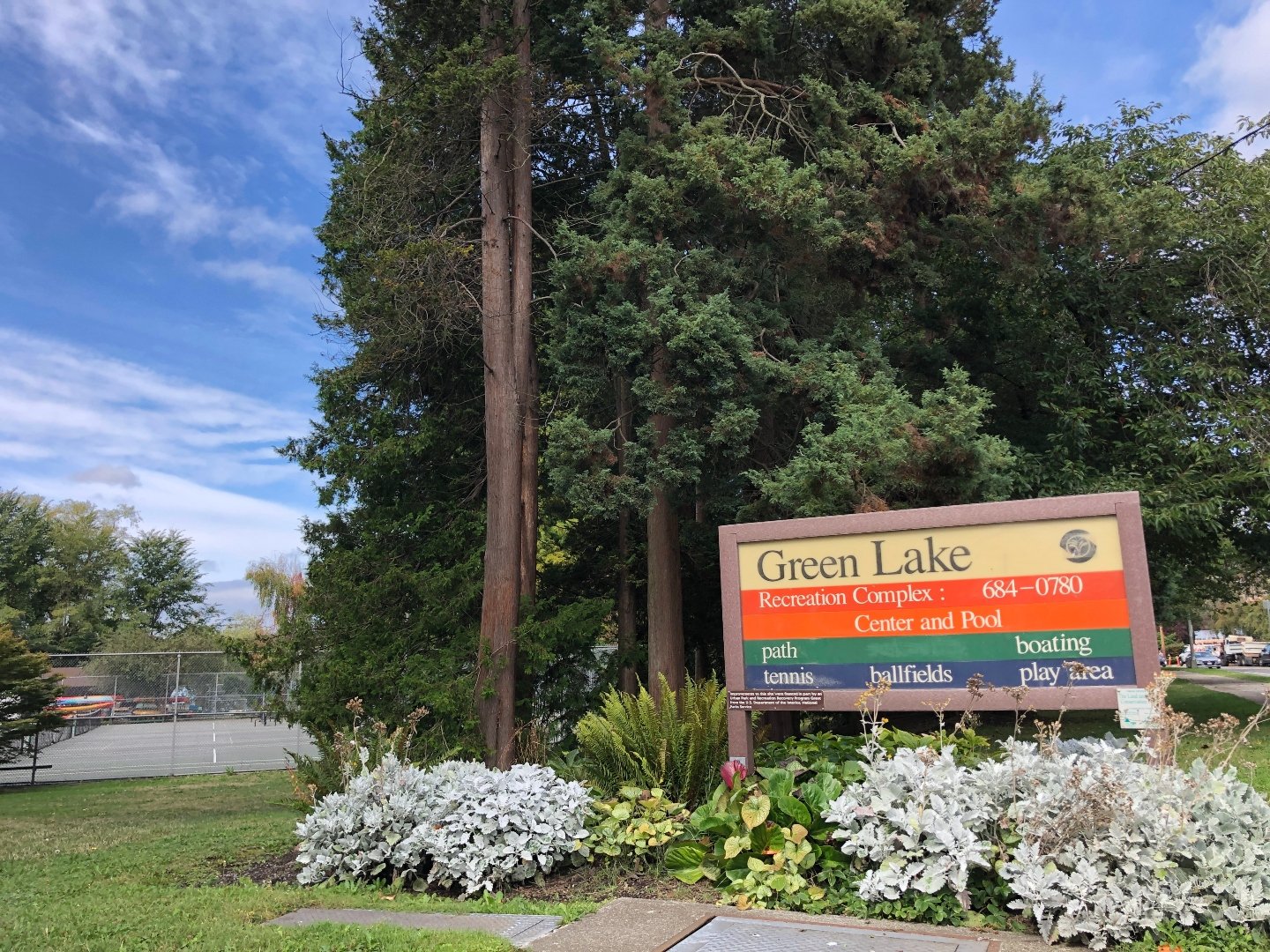
Green Lake
Seattle, WA
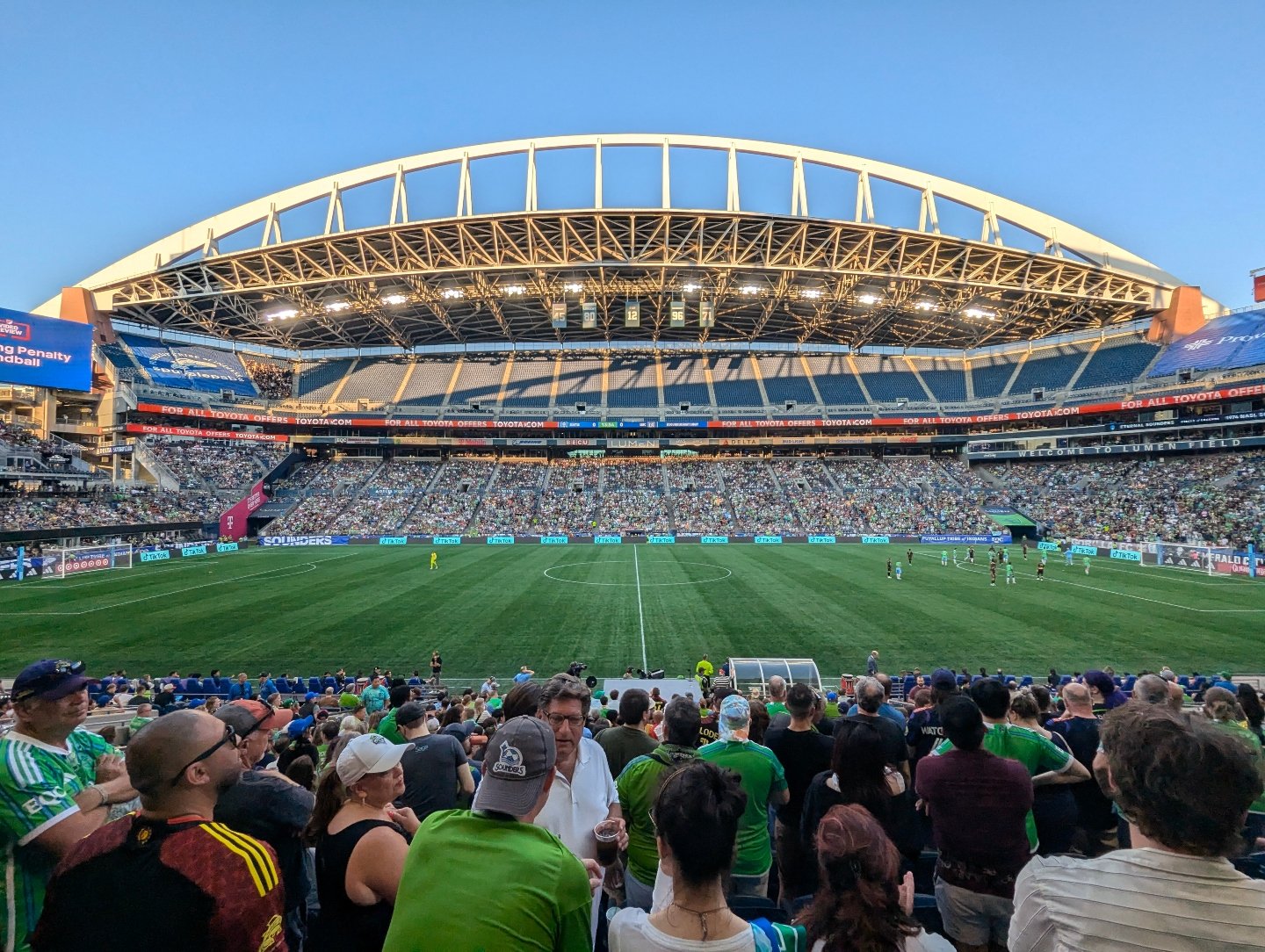
Lumen Field
Seattle, WA
Sunrise
Puyallup, WA
Mount Rainier National Park
Mount Rainier, WA
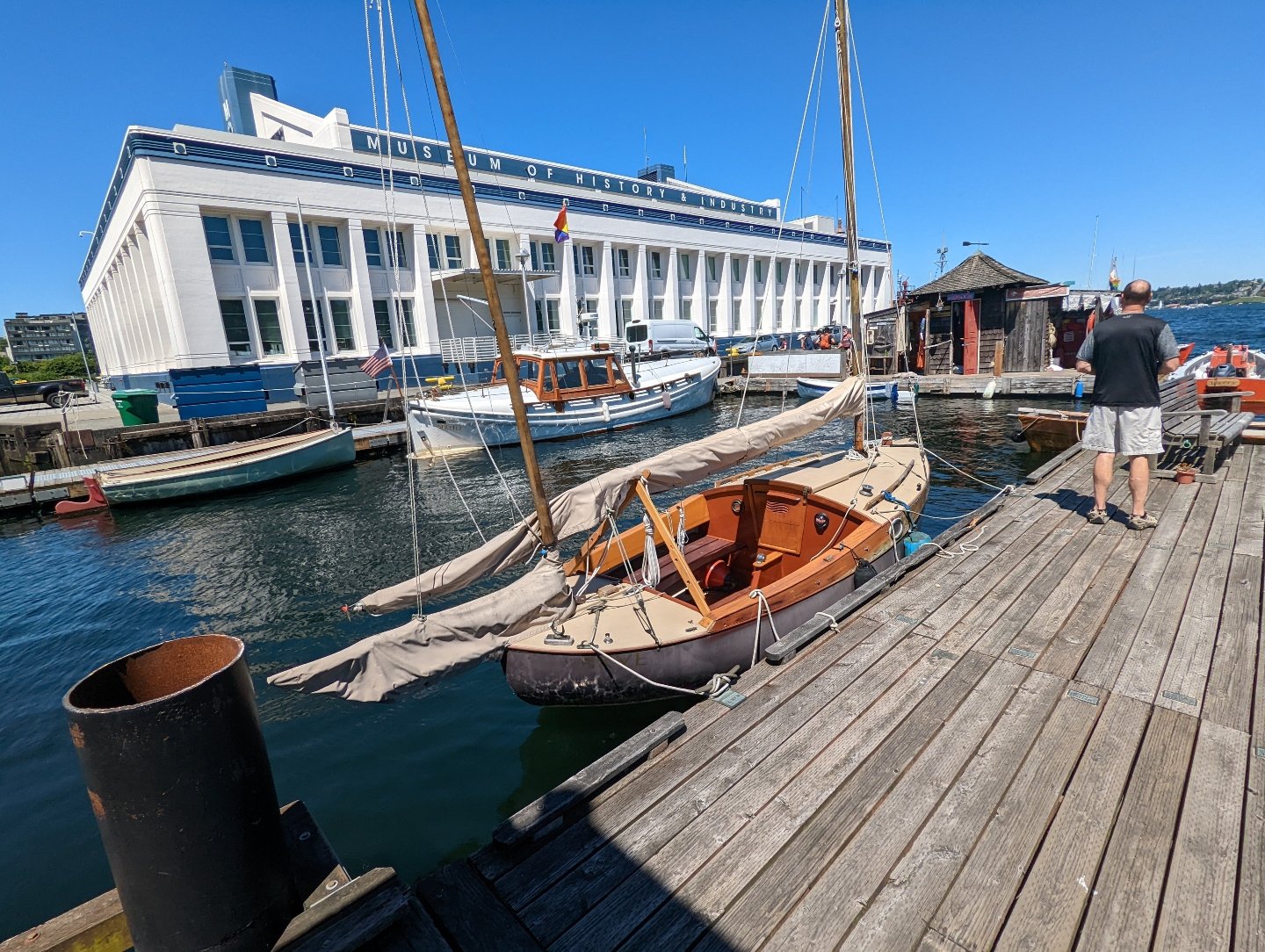
MOHAI Seattle
Seattle, WA
Author: Jake Ni
|
Published: Mar 04, 2026
|
Updated: Apr 16, 2026
Answer:
The reason the one-and-done model no longer works well is simple: a website is never truly finished. The best comparison is owning a car. Once you buy a car, you still have to maintain it. You have to change the oil, rotate the tires, and keep everything running properly. A website works the same way. It is not something you launch once and then ignore for years.
Technology keeps changing. Search engine optimization keeps changing. Customer expectations keep changing. If you want your website to continue showing up on Google, continue looking current, and continue converting visitors into customers, then it needs ongoing care. That includes updates for SEO, content adjustments, improved visuals, promotions, holiday notices, hours changes, new photos, and new services.
There is also the day-to-day reality of running a business. Businesses evolve. Offers change. Hours change. Messaging changes. If your website stays frozen while your business moves forward, the site becomes less useful and less accurate over time.
So the speaker’s position is that a website should be treated like an active business asset, not a one-time project. Ongoing management is what keeps it aligned with your business goals, search visibility, and customer expectations. Without that continued attention, the site gradually falls behind and becomes less effective.
Summary:
The answer argues strongly against the idea that a website can be built once and then left alone indefinitely. The central comparison is that a website is like a car: it requires continuous maintenance in order to stay useful and reliable. This is especially true because SEO rules, technology standards, and user expectations are constantly evolving. The speaker also points out that businesses themselves change over time, which means the website must keep up with changes in services, hours, promotions, and messaging. The larger idea is that a website is a living business tool rather than a static project. Ongoing management helps preserve relevance, accuracy, visibility, and conversion power, which is why the one-and-done strategy is no longer effective.
About the Author
Jake Ni
Account Executive at 1 Stop Link
Jake believes that small businesses are the backbone of America.
They deserve to benefit from the latest technology that fail to trickle down from "big tech".
With expert local knowledge and over 7 years of industry experience, he's ready to help you build a top tier web presence!
Book a video consultation with Jake:
More Articles Like This
We Have The Proof: Top Rated Digital Marketing Agency in WA
1 Stop Link is 5 star rated on Google. Read words of appreciation from our clients.
No Stock Images, Just Real People and Real Testimonials
Watch our clients share their success stories in their own words.