Question: What’s the difference between a domain and hosting?
Renton Southport
Renton, WA
Lake Sammamish State Park
Issaquah, WA
Meydenbauer Bay Park
Bellevue, WA
Bellevue Downtown Park
Bellevue, WA
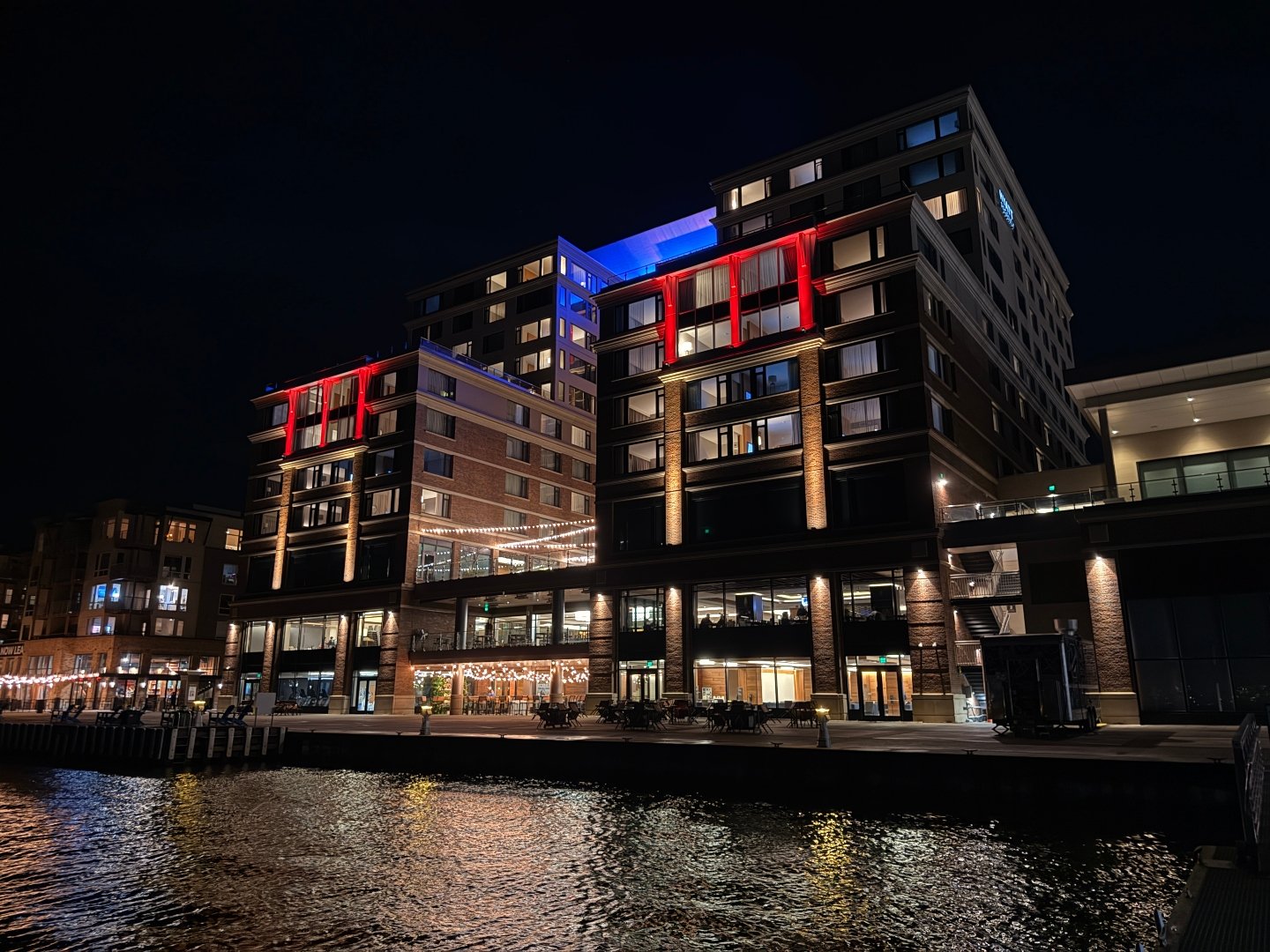
Point Ruston
Tacoma, WA
Pioneer Park
Puyallup, WA
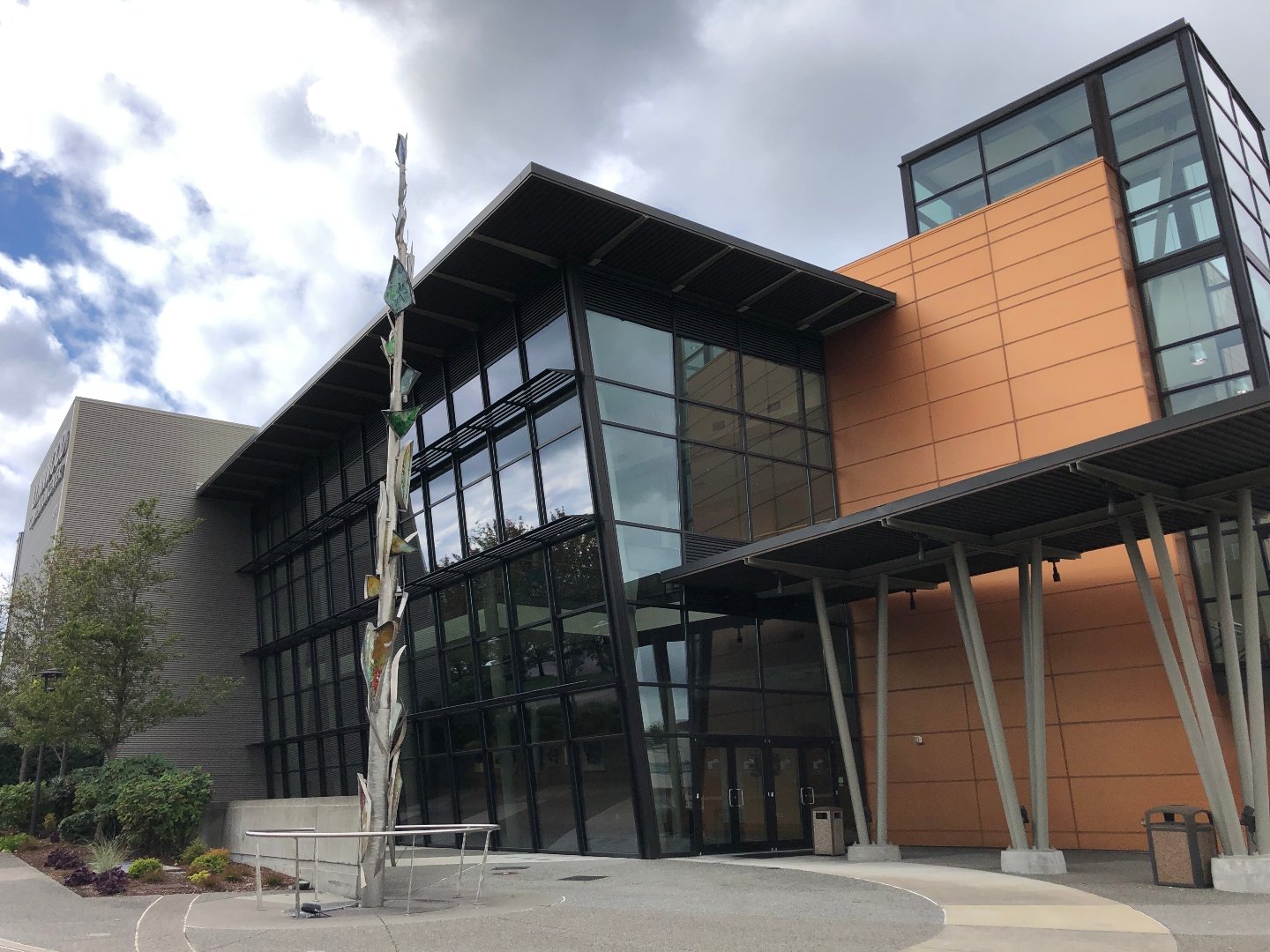
Lynnwood Convention Center
Lynnwood, WA
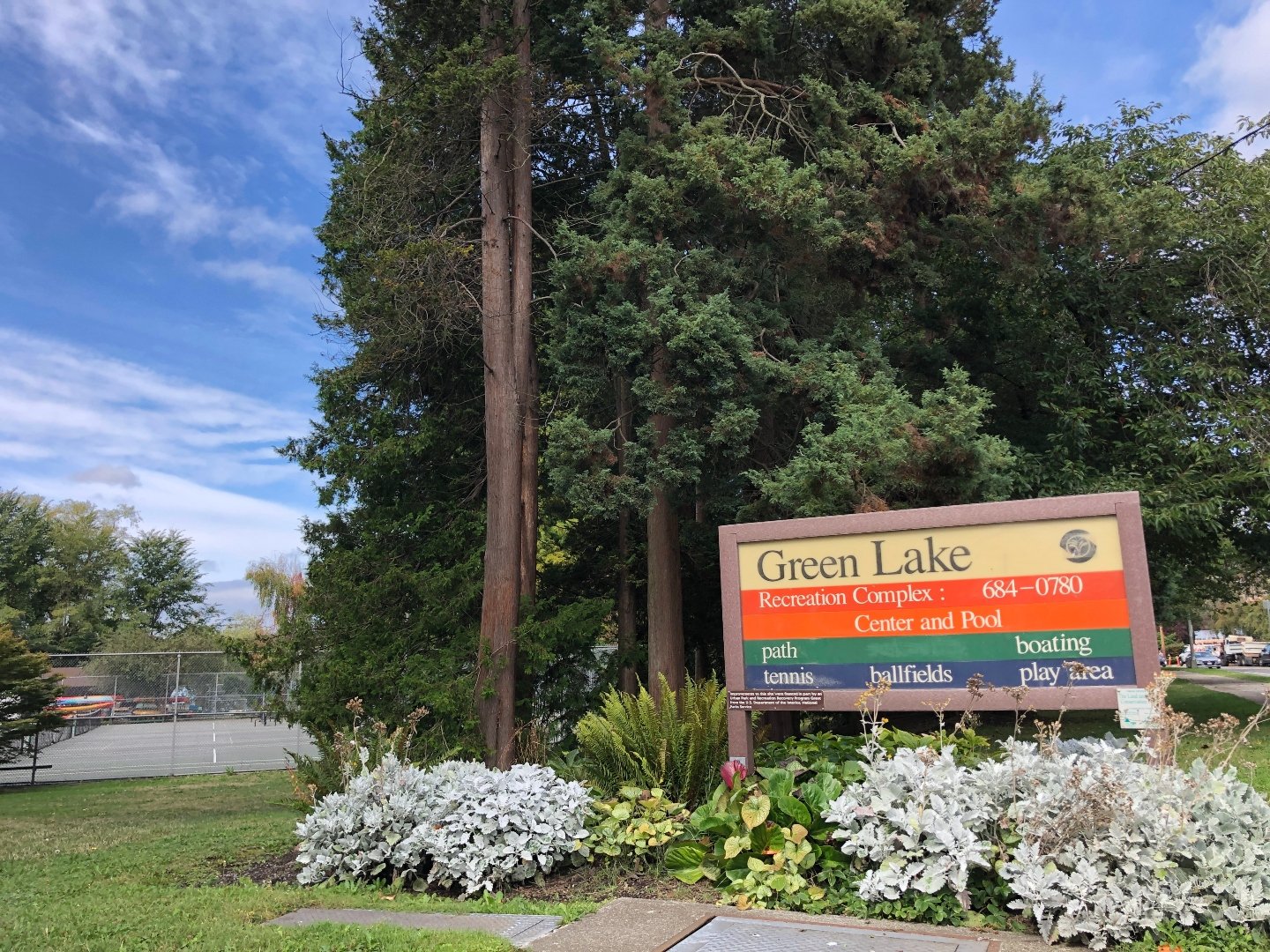
Green Lake
Seattle, WA
Boeing Renton Factory
Renton, WA
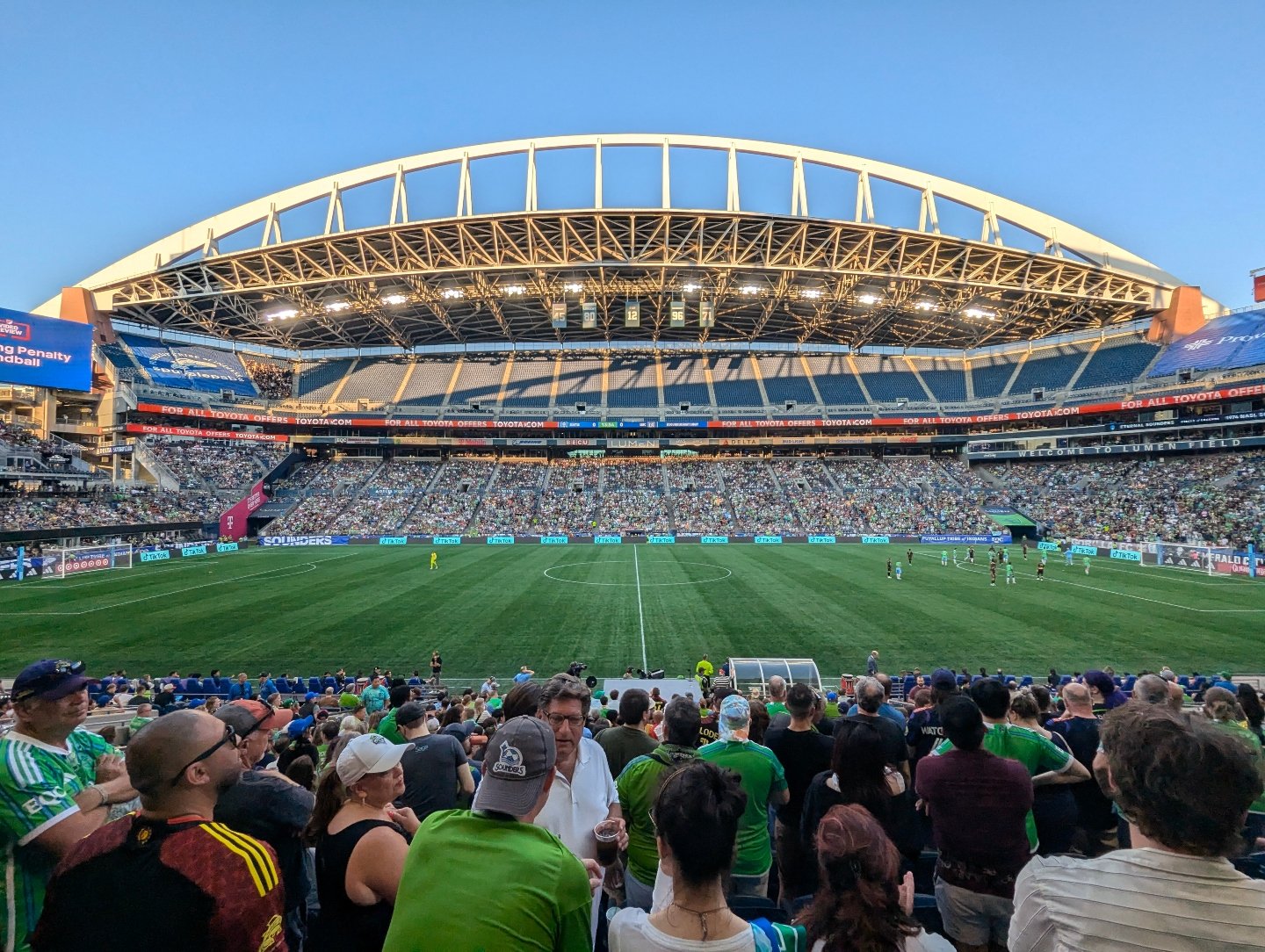
Lumen Field
Seattle, WA
WA State Fair
Puyallup, WA
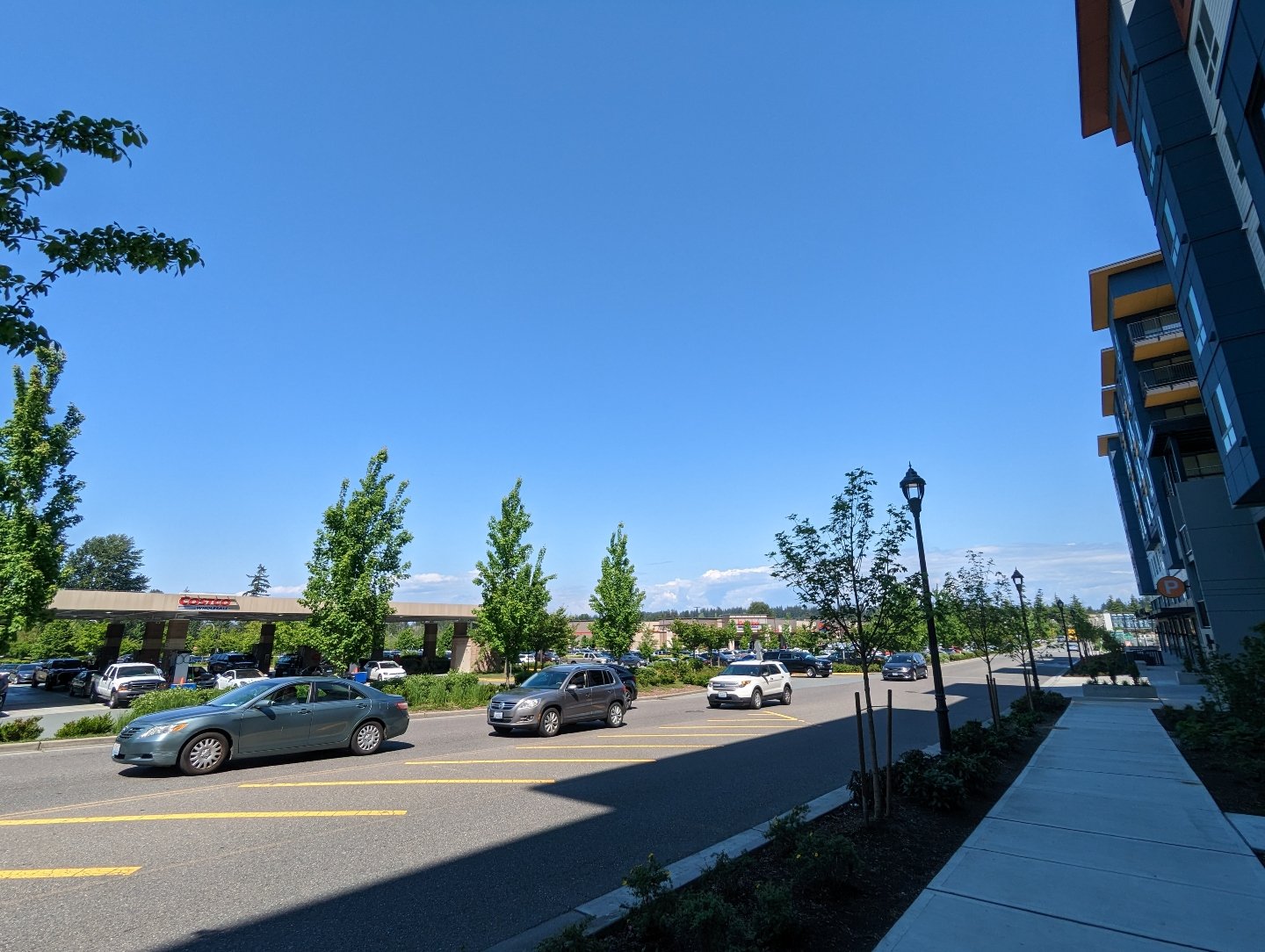
Costco Alderwood
Lynnwood, WA
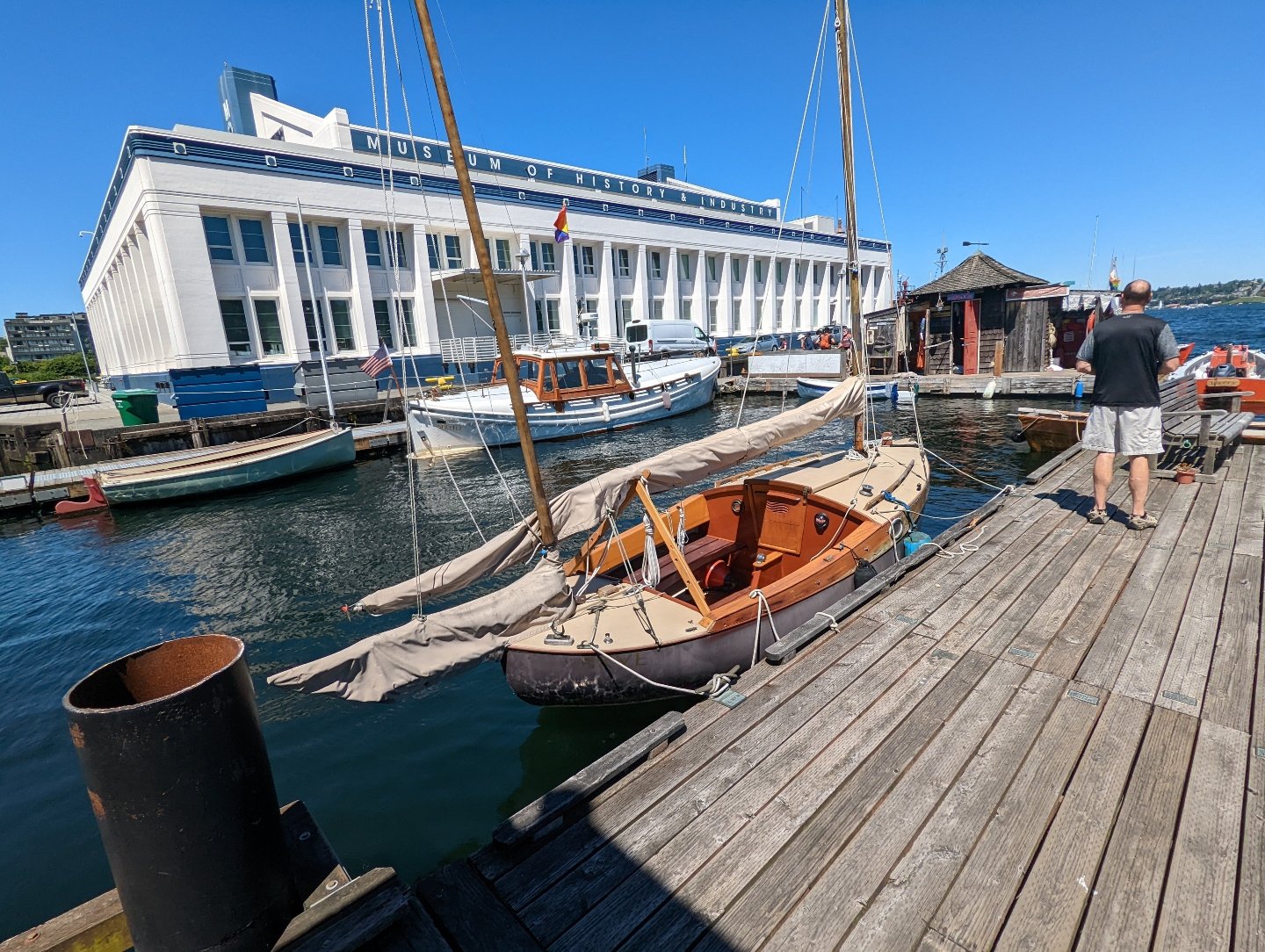
MOHAI Seattle
Seattle, WA
Sunrise
Puyallup, WA
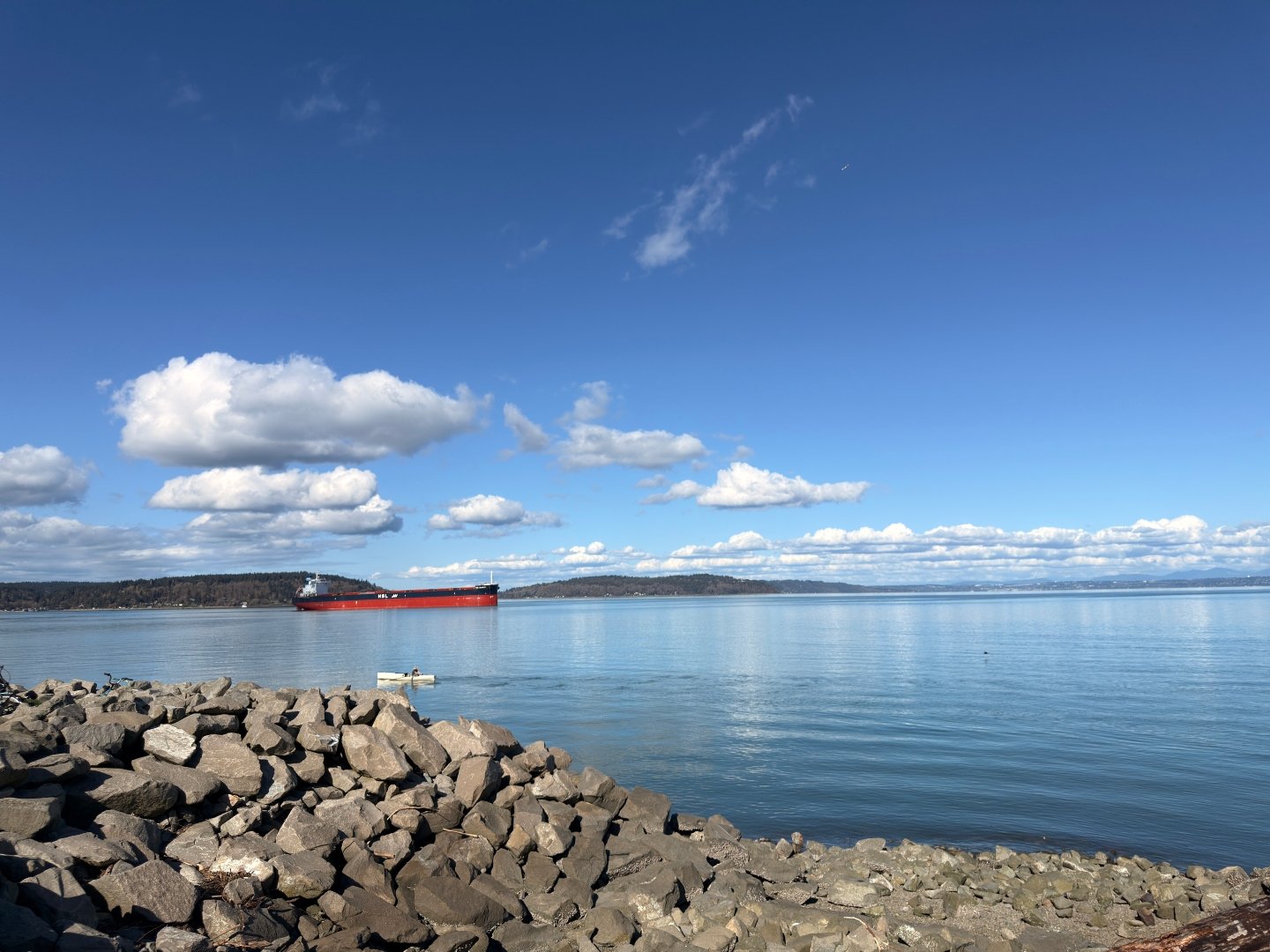
Everett Waterfront
Everett, WA
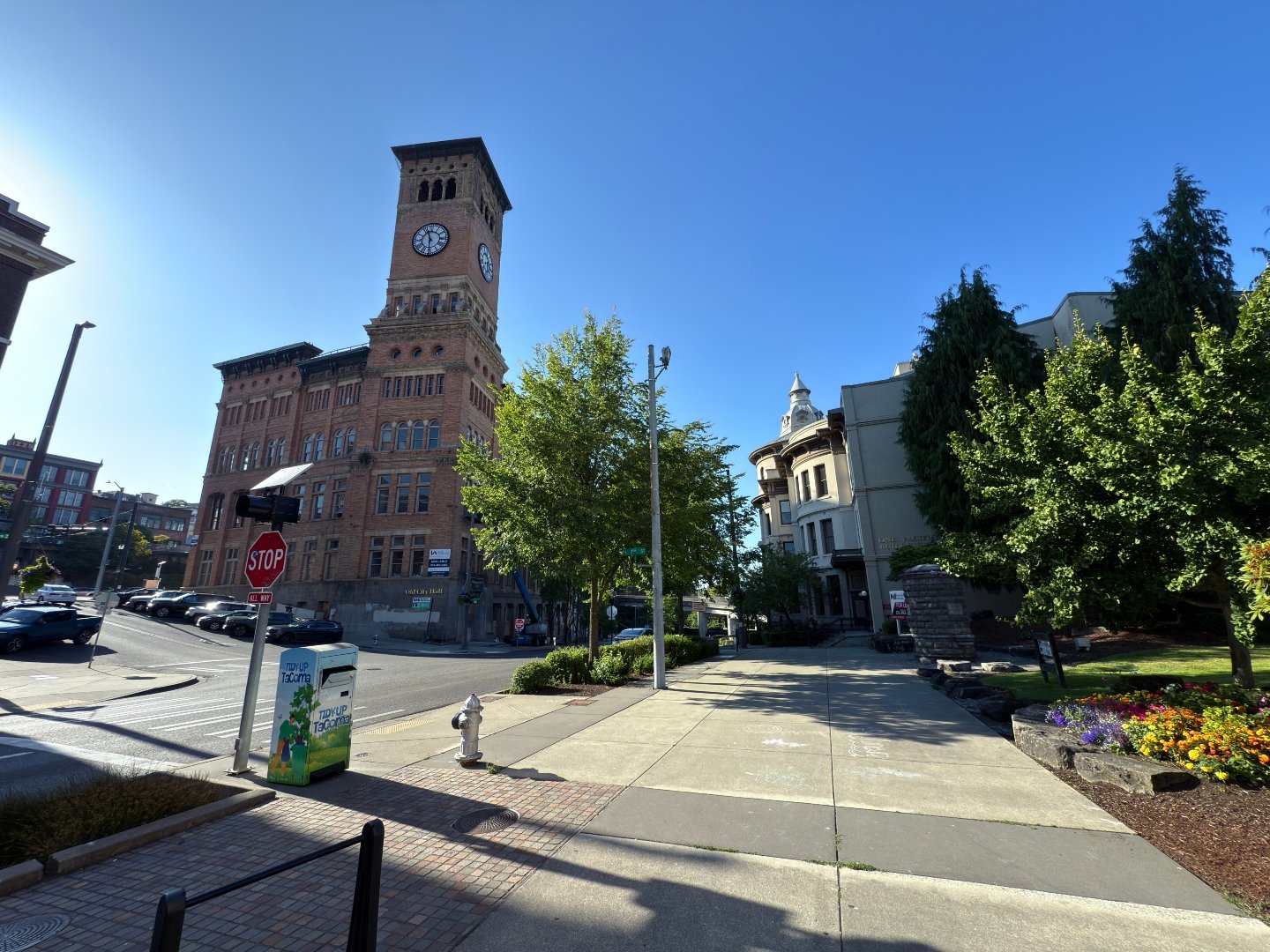
Theatre District
Tacoma, WA
Brooklyn Bros Pizza
Mill Creek, WA
Sunrise
Puyallup, WA
Snohomish River
Snohomish, WA
Bellevue Square
Bellevue, WA
South Lake Union
Seattle, WA
Downtown Everett
Everett, WA
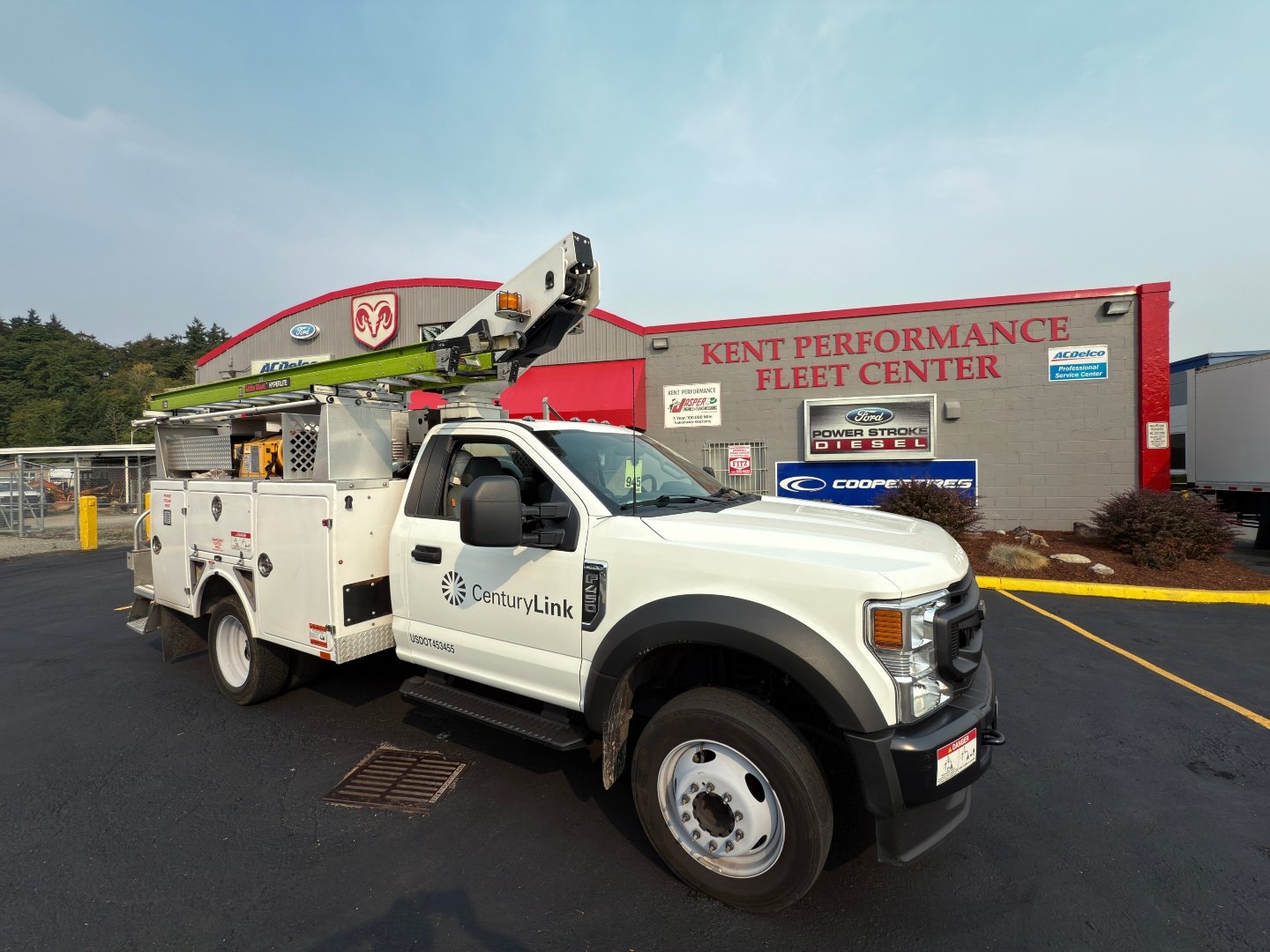
West Valley Highway
Kent, WA
Meydenbauer Bay Park
Bellevue, WA
Kent Valley
Kent, WA
Mount Rainier National Park
Mount Rainier, WA
Sunrise Park
South Hill, WA
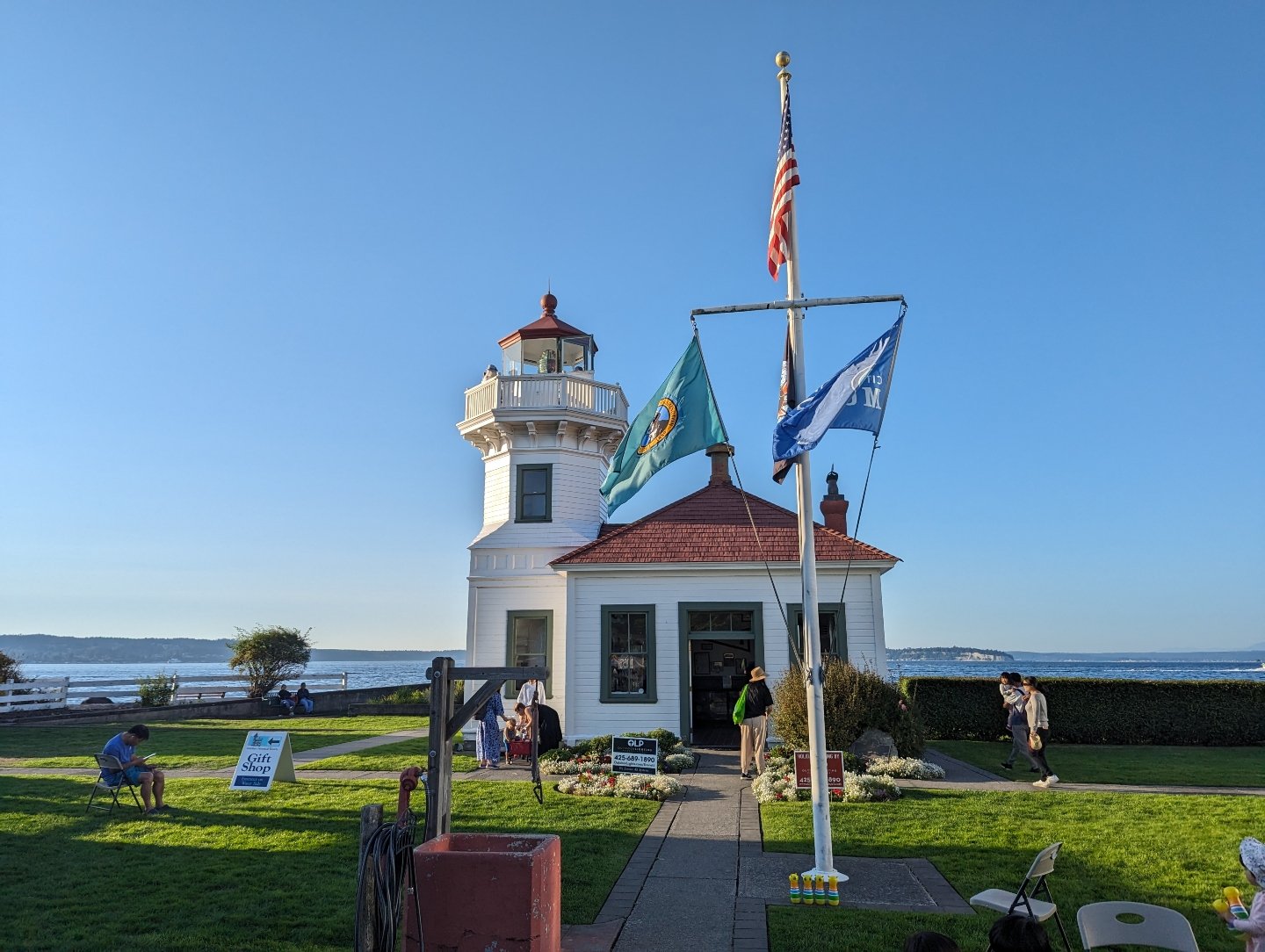
Lighthouse Park
Mukilteo, WA
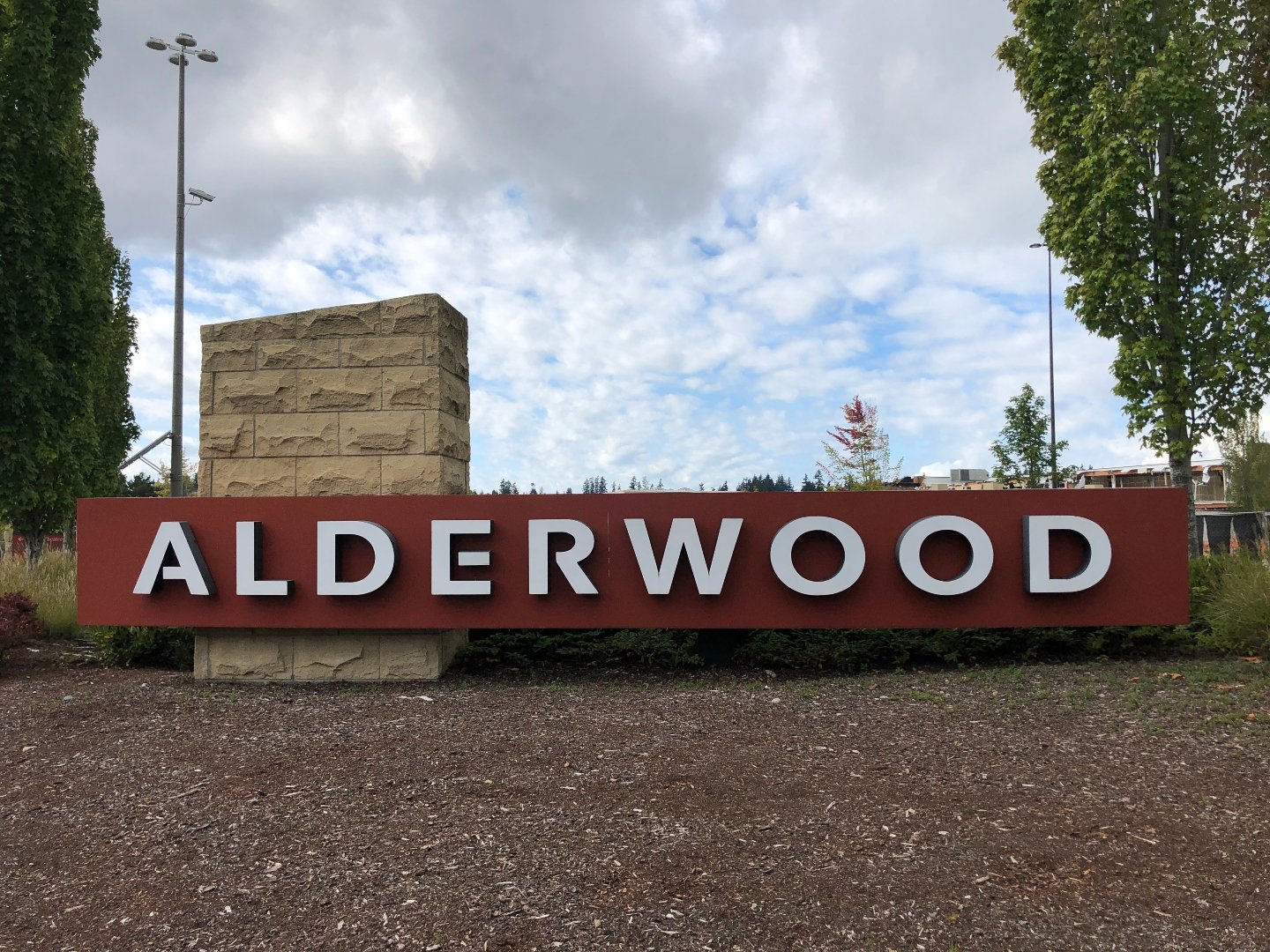
Alderwood
Lynnwood, WA
Train Track in Edmonds
Edmonds, WA
Ballard Locks
Seattle, WA
Weyerhauser Aquatic Center
Federal Way, WA
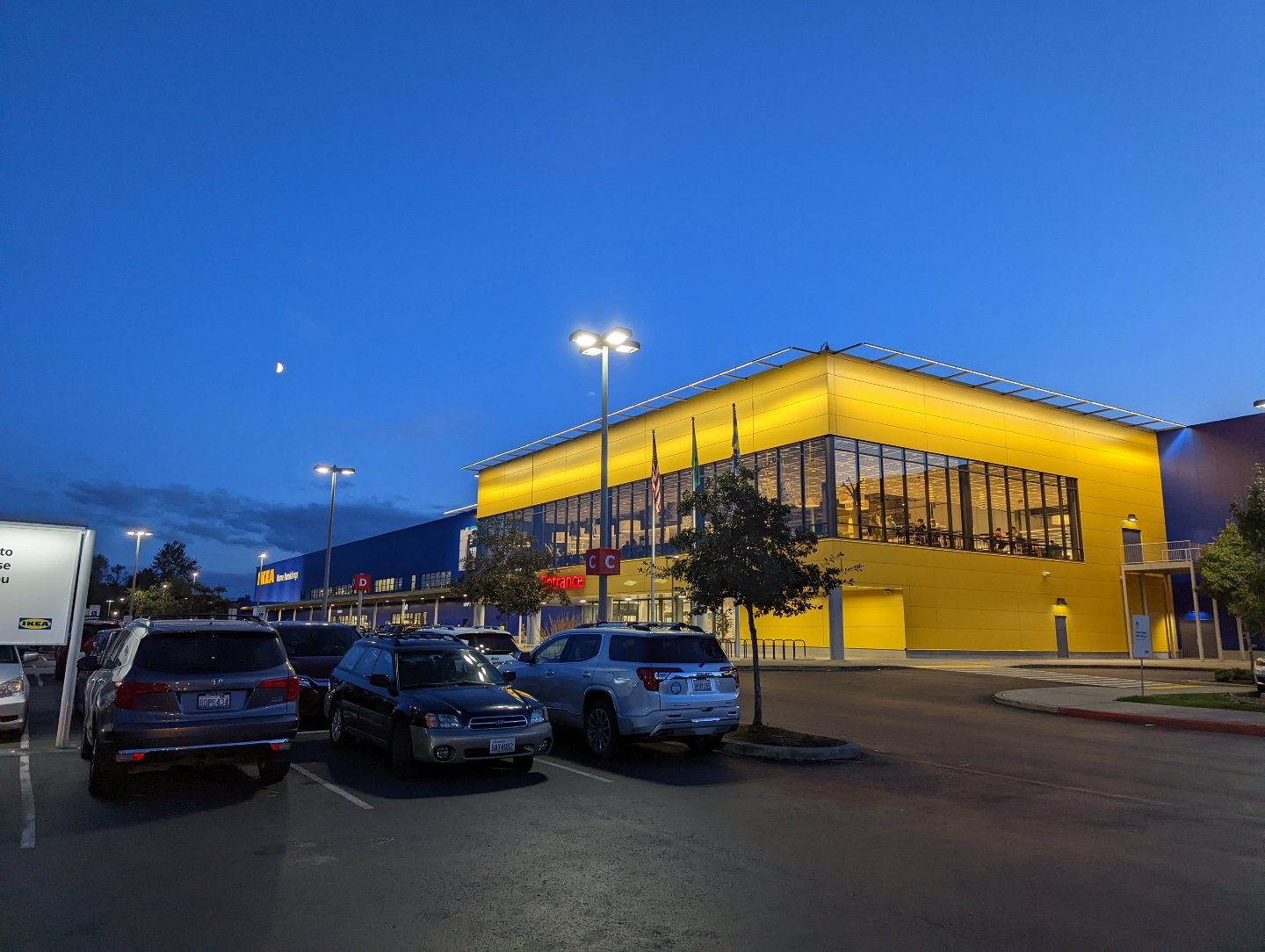
IKEA Renton
Renton, WA
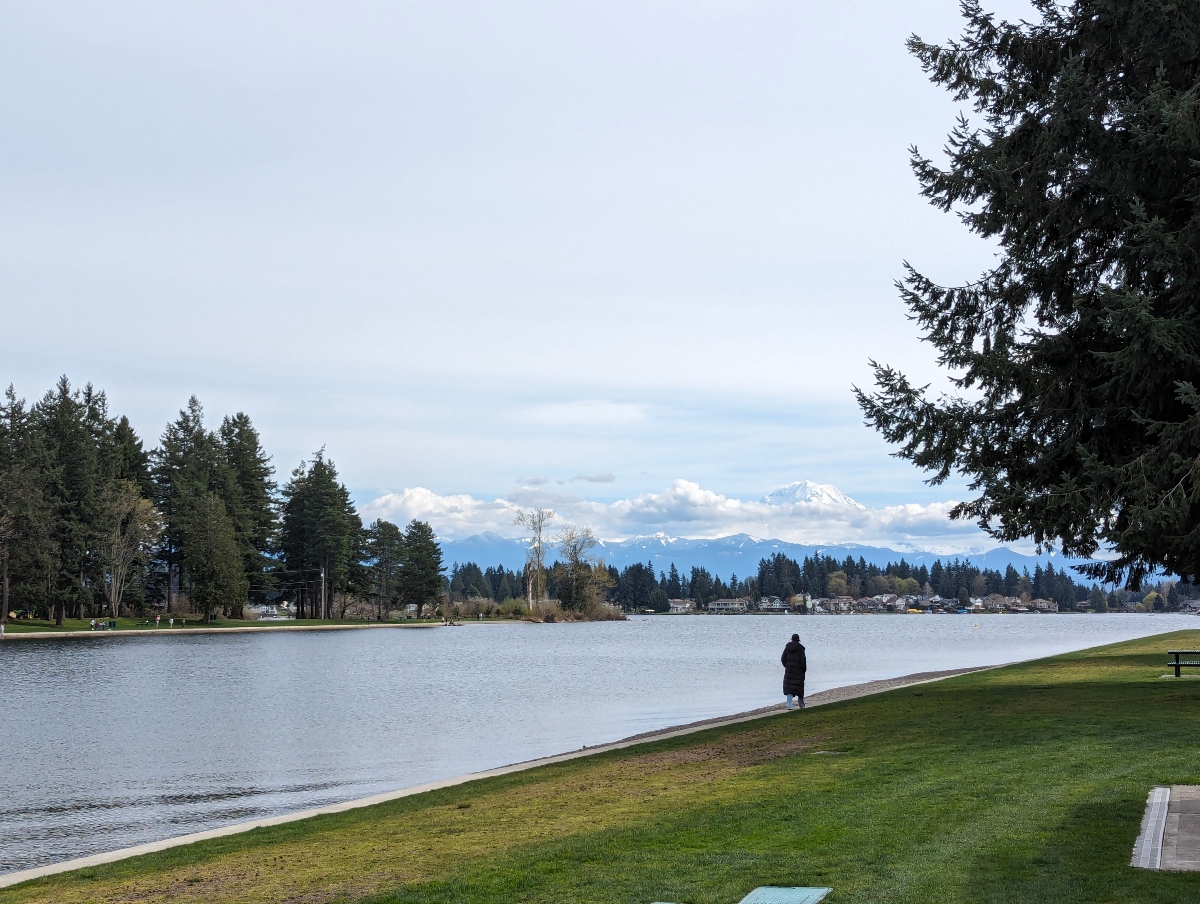
Lake Tapps
Lake Tapps, WA
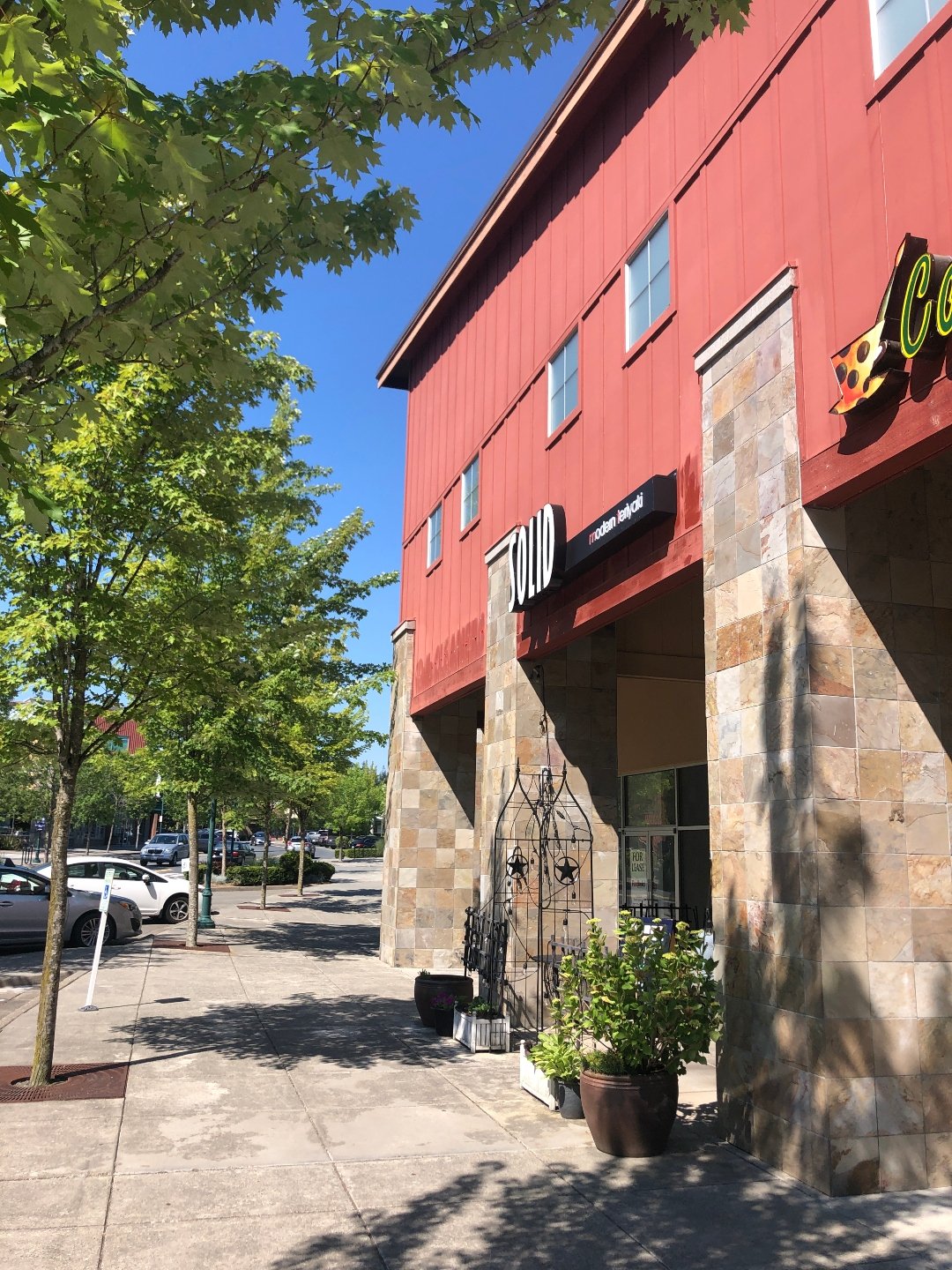
Mill Creek Town Center
Mill Creek, WA
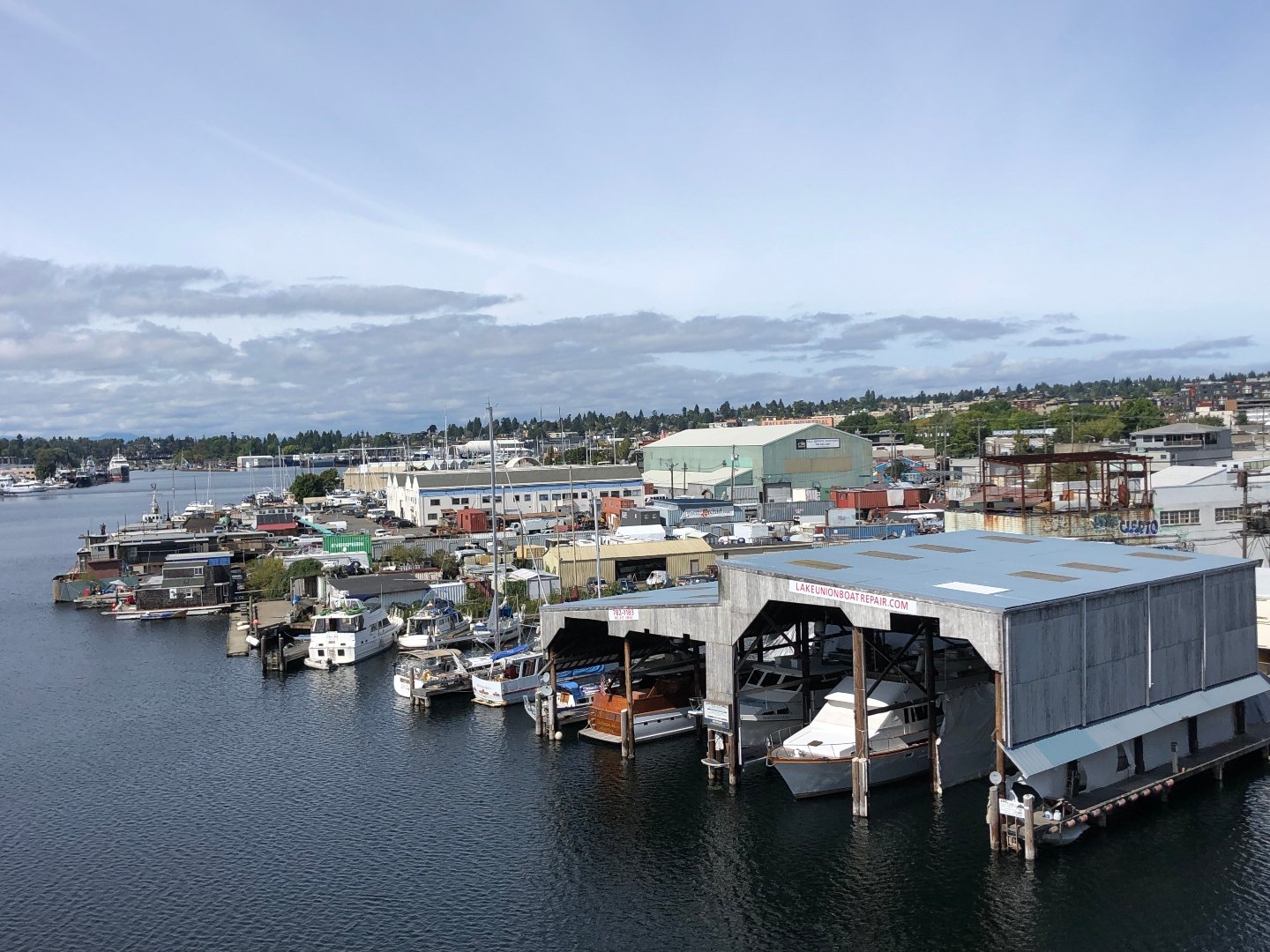
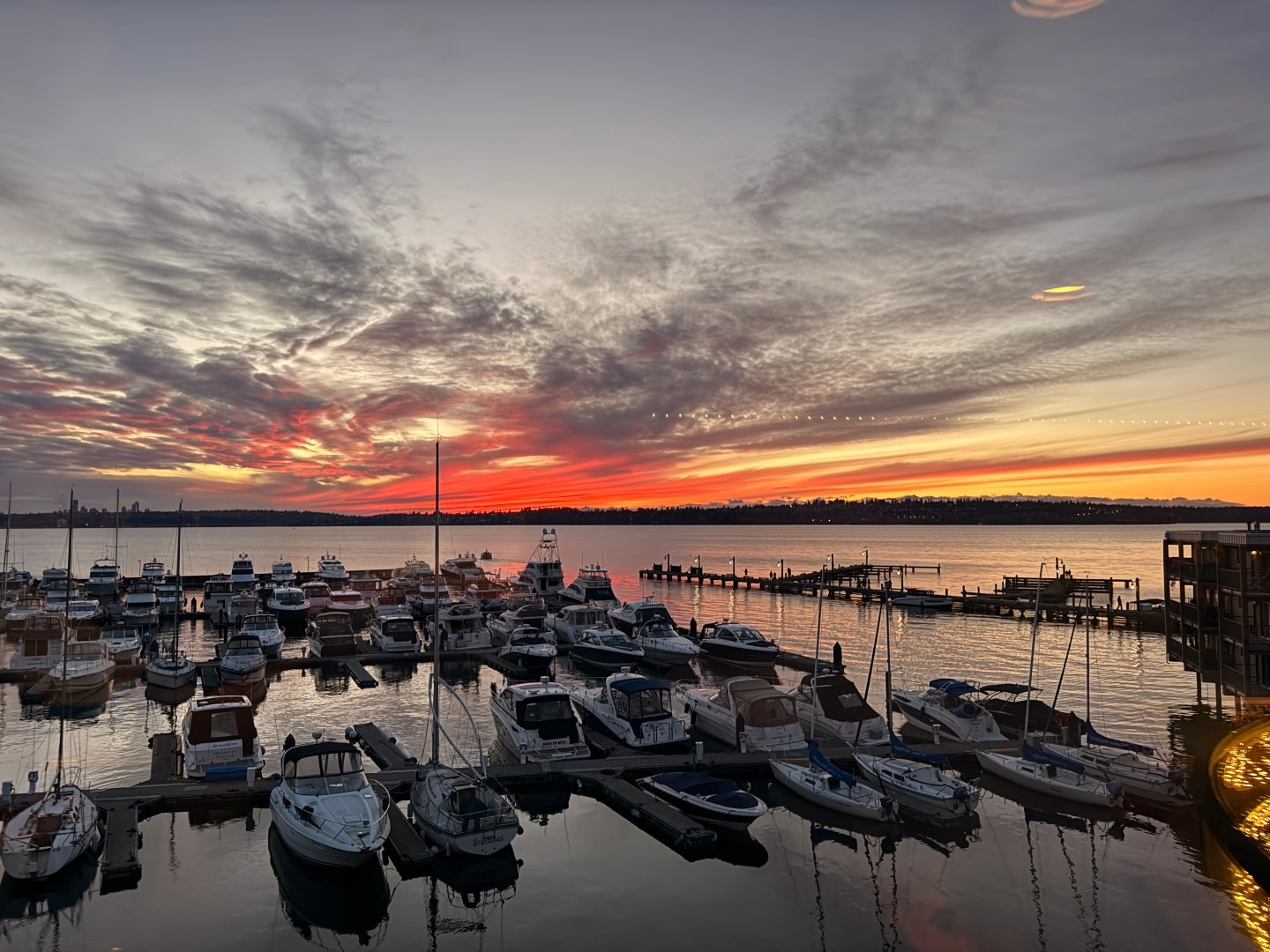
Kirkland Homeport Marina
Kirkland, WA
Mount Rainier National Park
Mount Rainier, WA
Everett Marina
Everett, WA
Lincoln Park
West Seattle, WA
Gene Coulon Memorial Beach Park
Renton, WA
Kerry Park
Seattle, WA
Mill Creek Town Center
Mill Creek, WA
Alderwood Mall
Lynnwood, WA
Edmonds Bowl
Edmonds, WA
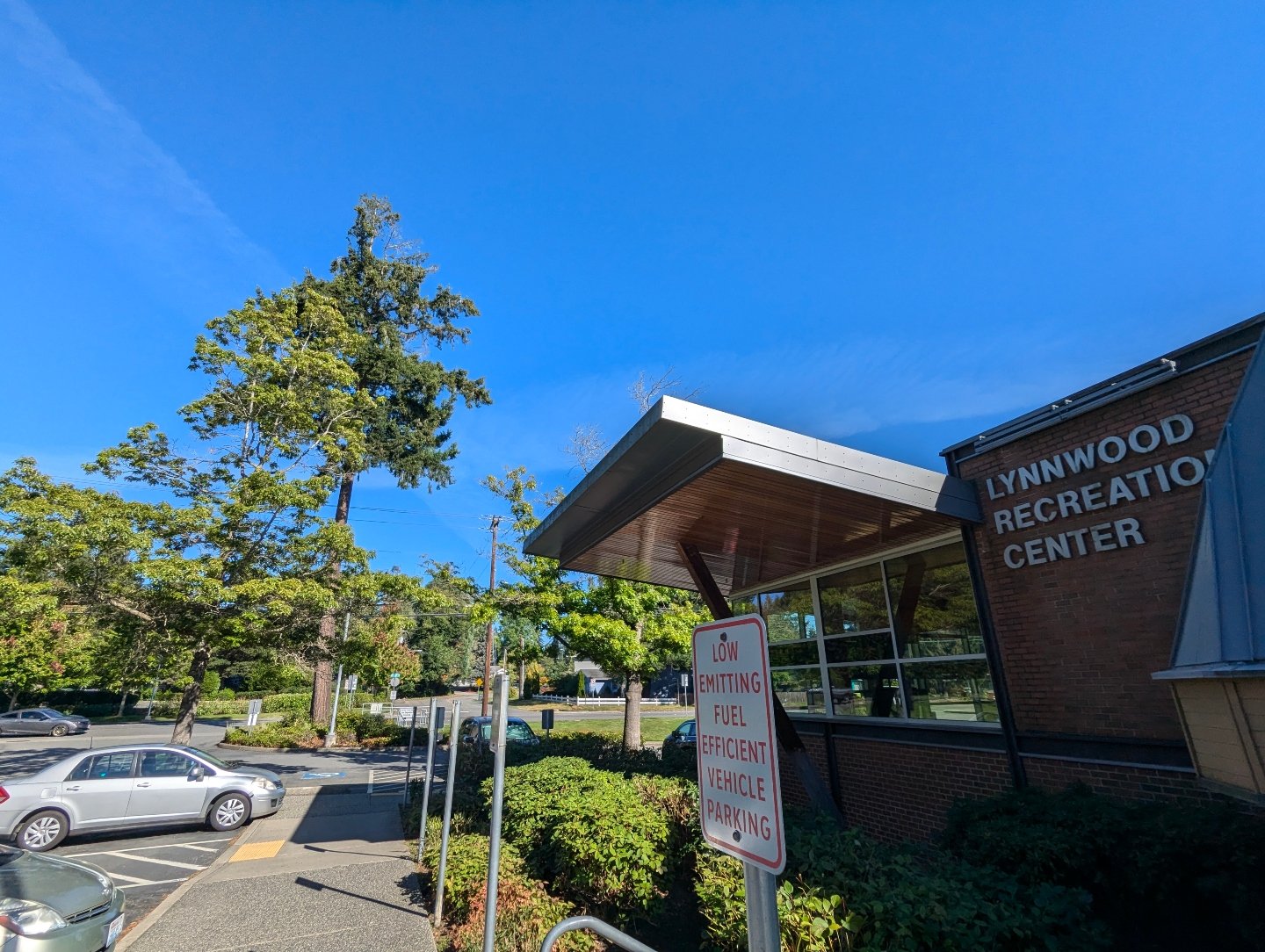
Lynnwood Recreation Center
Lynnwood, WA
Redmond Town Center
Redmond, WA
Author: Jake Ni
|
Published: Mar 30, 2026
|
Updated: Apr 16, 2026
Answer:
A domain is best understood as the website address. It is like owning a piece of land. You can own the land, but that alone does not mean there is a building on it. In website terms, that means you may own something like yourbusiness.com, but by itself that is just the address.
The website itself is like the structure built on that land. It is the house, building, or property that sits on top of the domain. The content, code, pages, and design all make up the actual website.
Hosting is what allows that structure to exist online and be delivered to users. It is the server infrastructure where the website files live. When someone visits your domain, the hosting system sends the website files to their device so they can view the site.
So the three concepts fit together. The domain is the address, the website is the thing built at that address, and the hosting is the system that keeps the whole thing available online. It is a simple but very useful distinction for business owners to understand.
Summary:
The answer uses a strong analogy to explain the difference among domain, website, and hosting. The domain is compared to a piece of land or an address, the website is compared to the building constructed there, and hosting is the infrastructure that makes that building accessible to visitors. This explanation helps separate three concepts that are often confused by non-technical users. The main takeaway is that owning a domain does not automatically mean you have a functioning website, and having a website also requires hosting in order to be visible online. By understanding these distinctions, business owners can better grasp how their digital presence is actually structured and maintained.
About the Author
Jake Ni
Account Executive at 1 Stop Link
Jake believes that small businesses are the backbone of America.
They deserve to benefit from the latest technology that fail to trickle down from "big tech".
With expert local knowledge and over 7 years of industry experience, he's ready to help you build a top tier web presence!
Book a video consultation with Jake:
More Articles Like This
We Have The Proof: Top Rated Digital Marketing Agency in WA
1 Stop Link is 5 star rated on Google. Read words of appreciation from our clients.
No Stock Images, Just Real People and Real Testimonials
Watch our clients share their success stories in their own words.