Question: Should my website use dark mode or light mode or should it have an option?
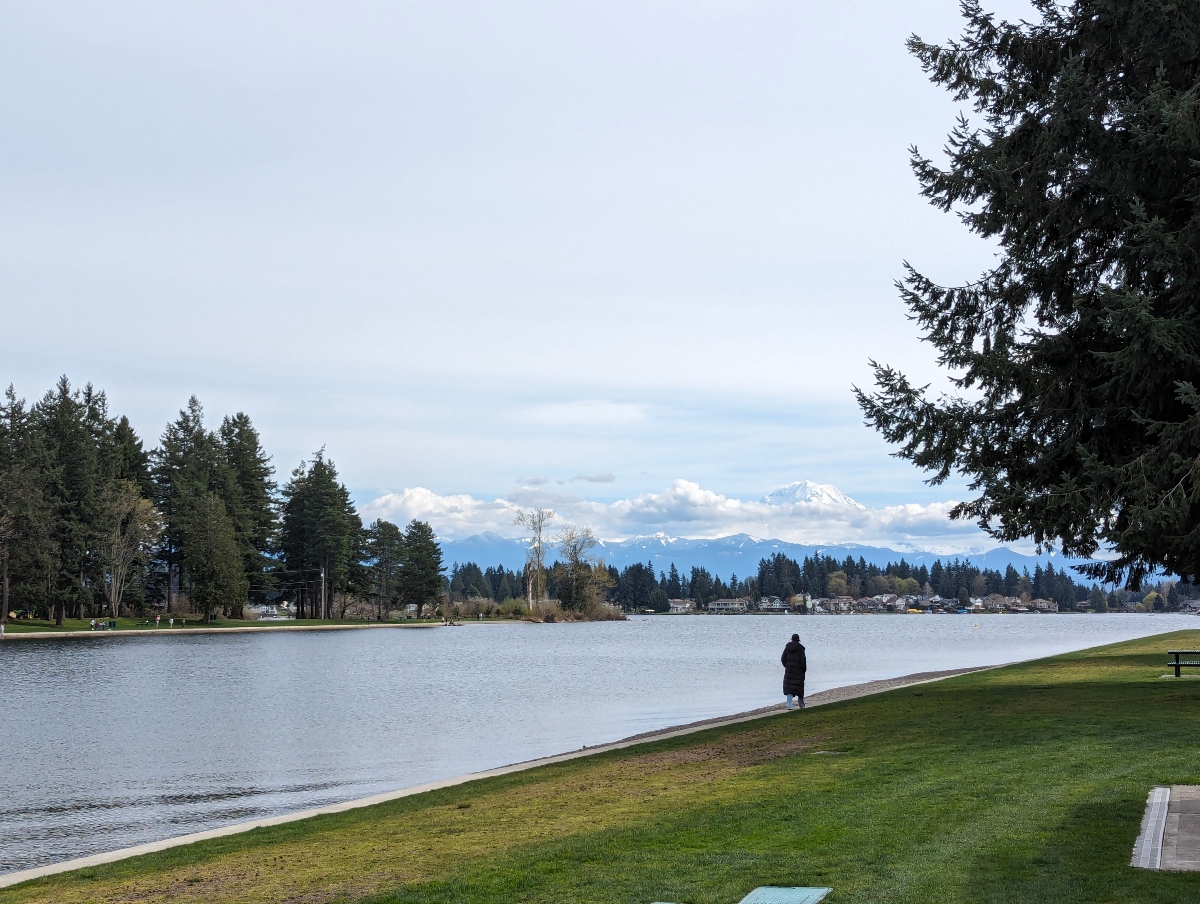
Pioneer Park
Puyallup, WA
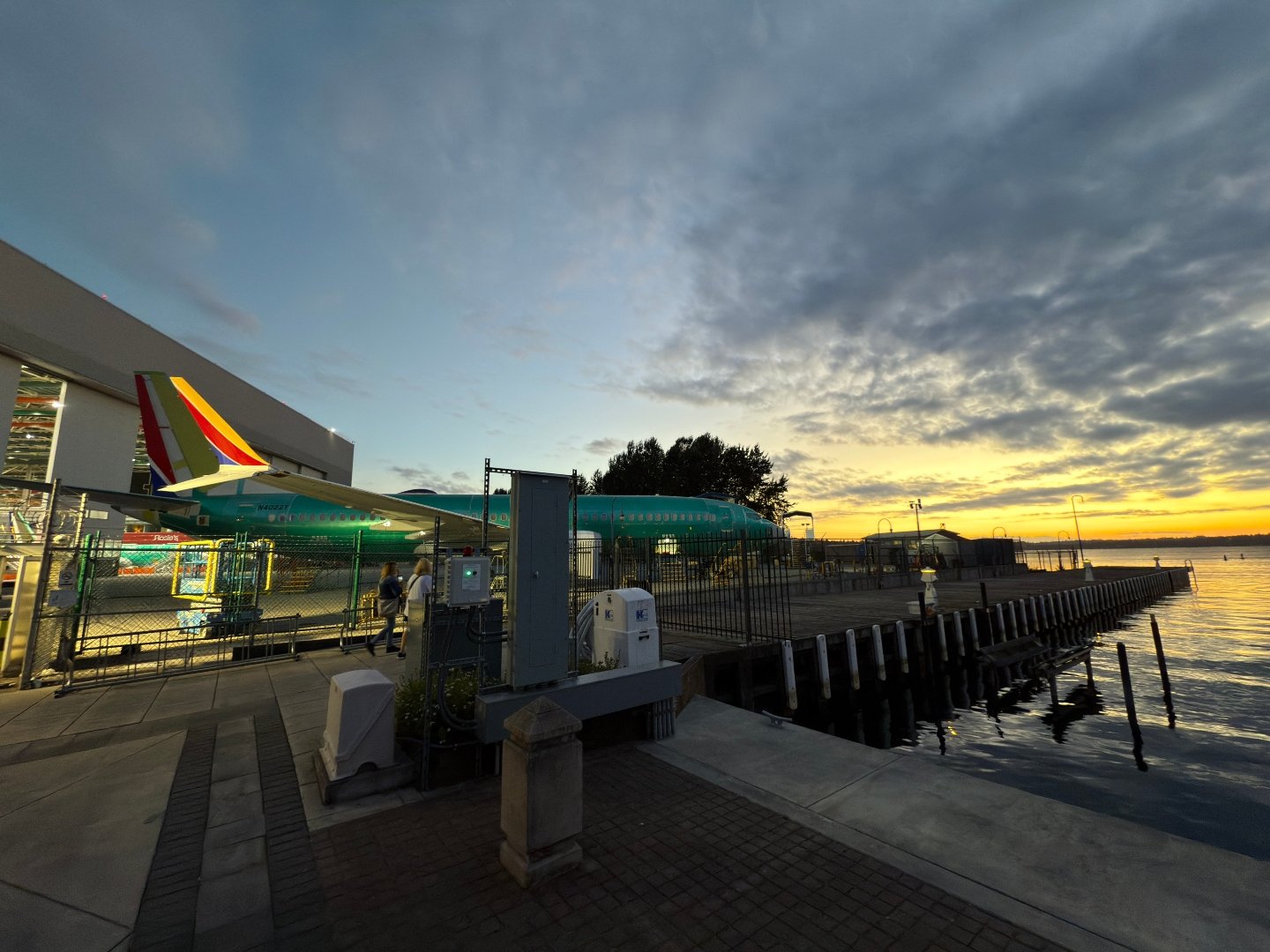
Boeing Renton Factory
Renton, WA
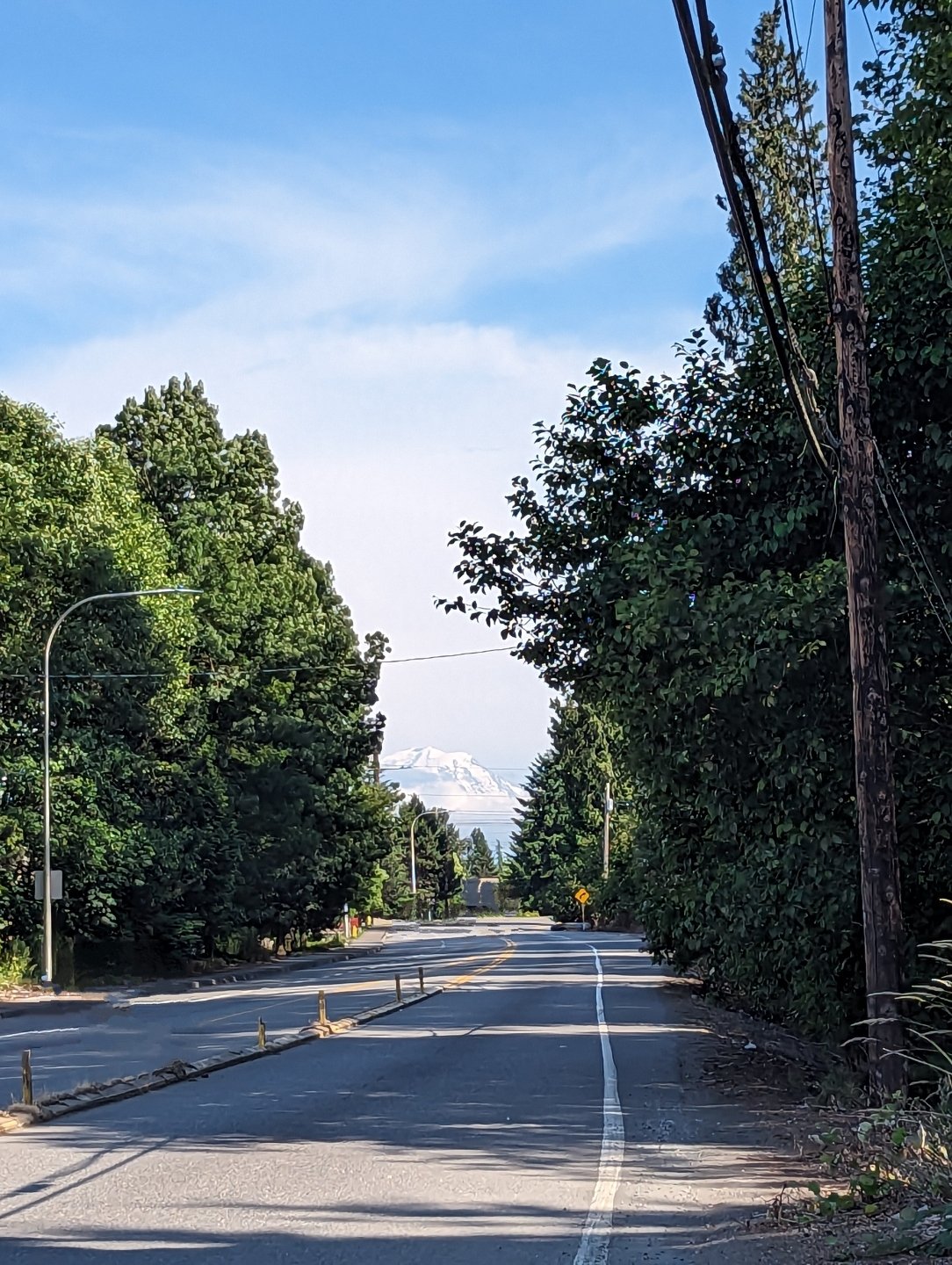
West Valley Highway
Kent, WA
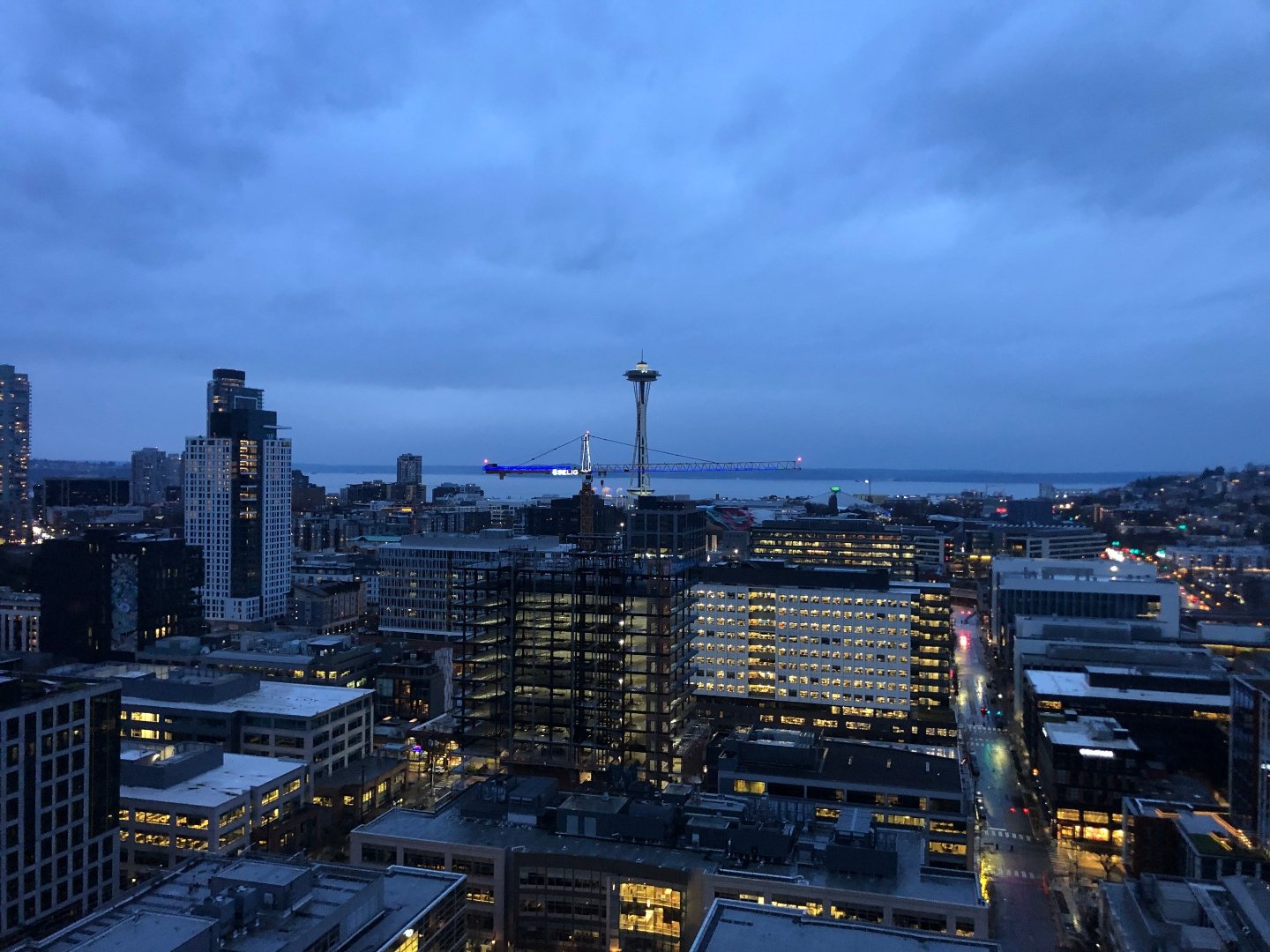
South Lake Union
Seattle, WA
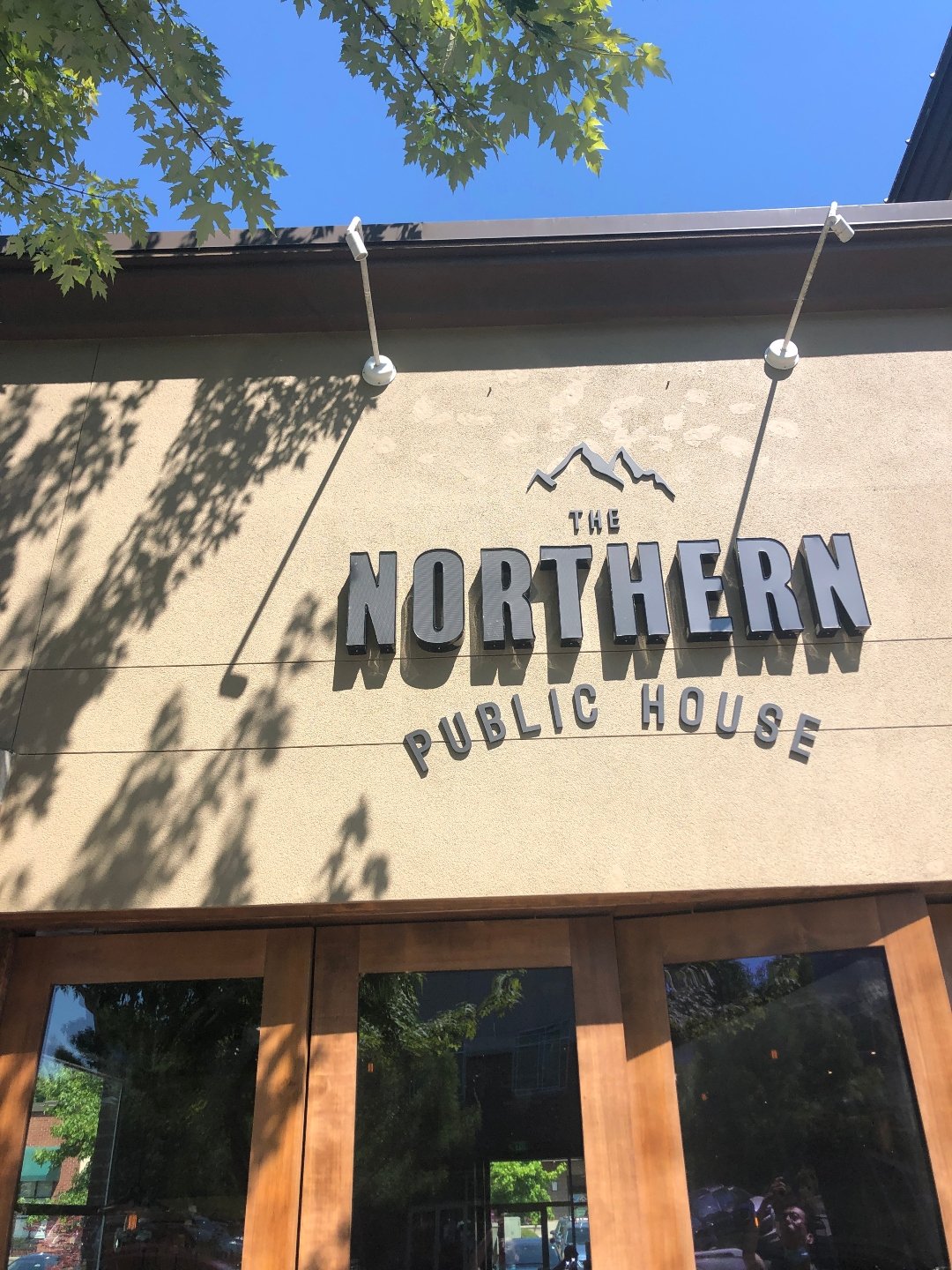
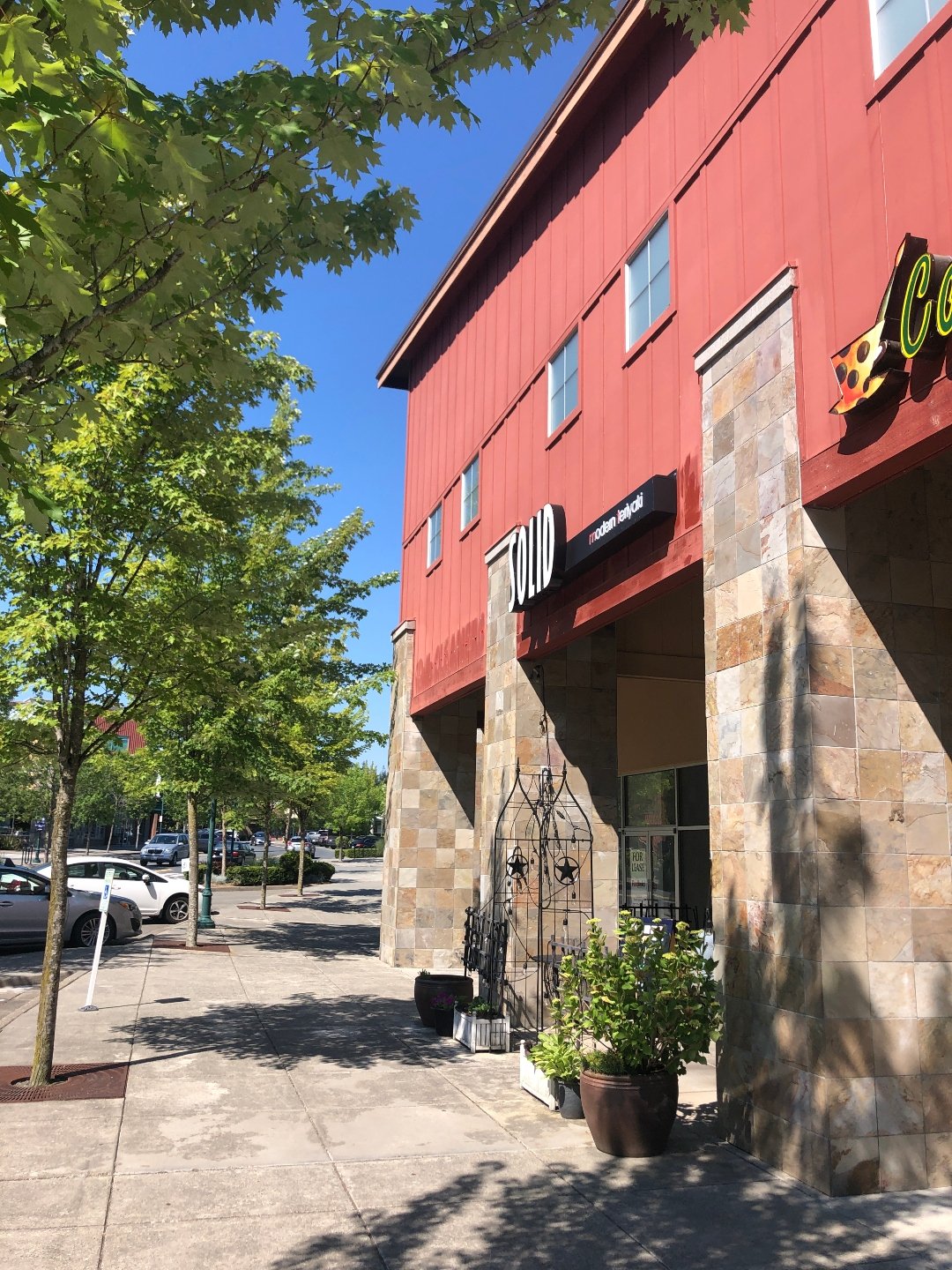
Mill Creek Town Center
Mill Creek, WA
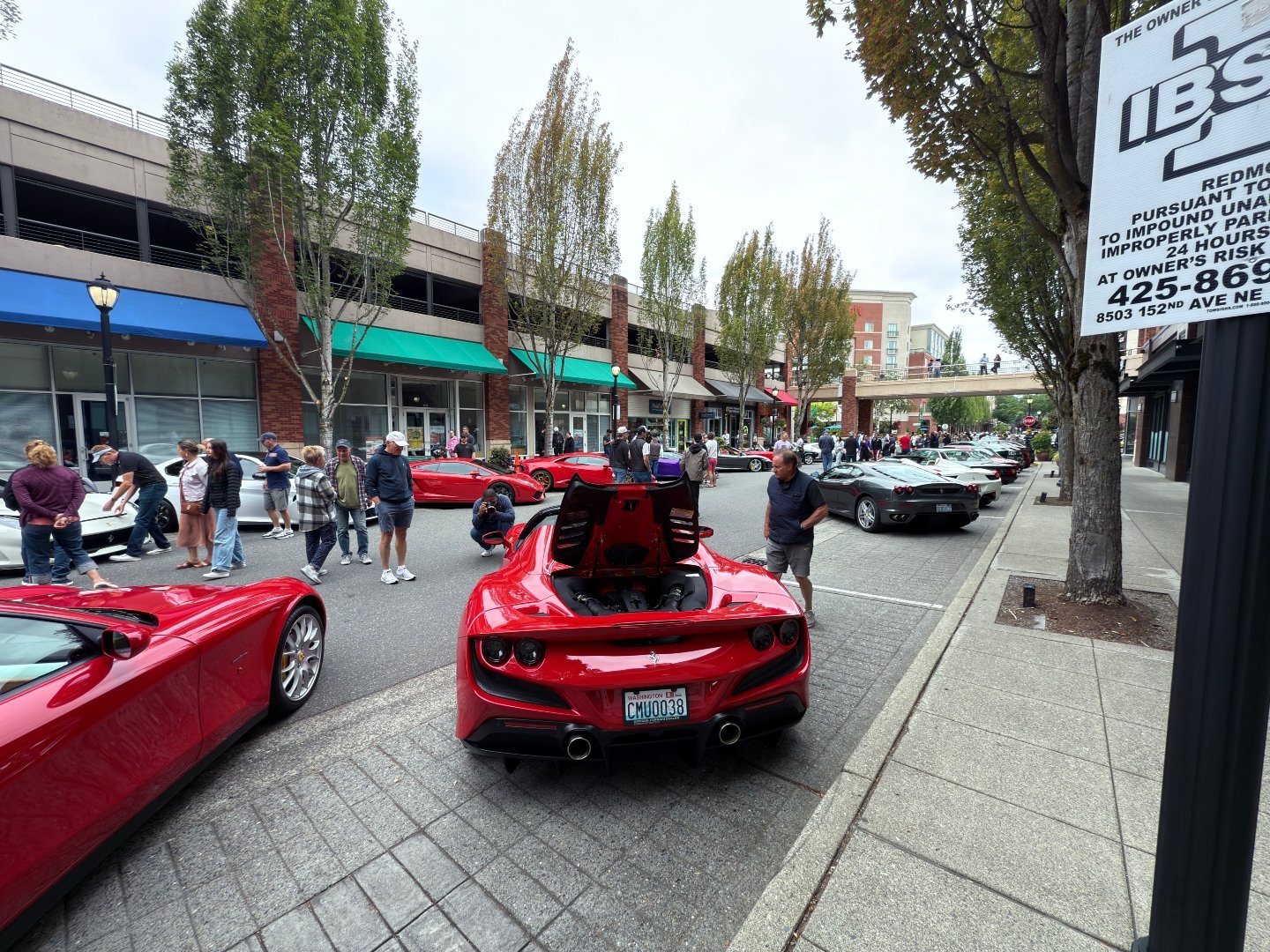
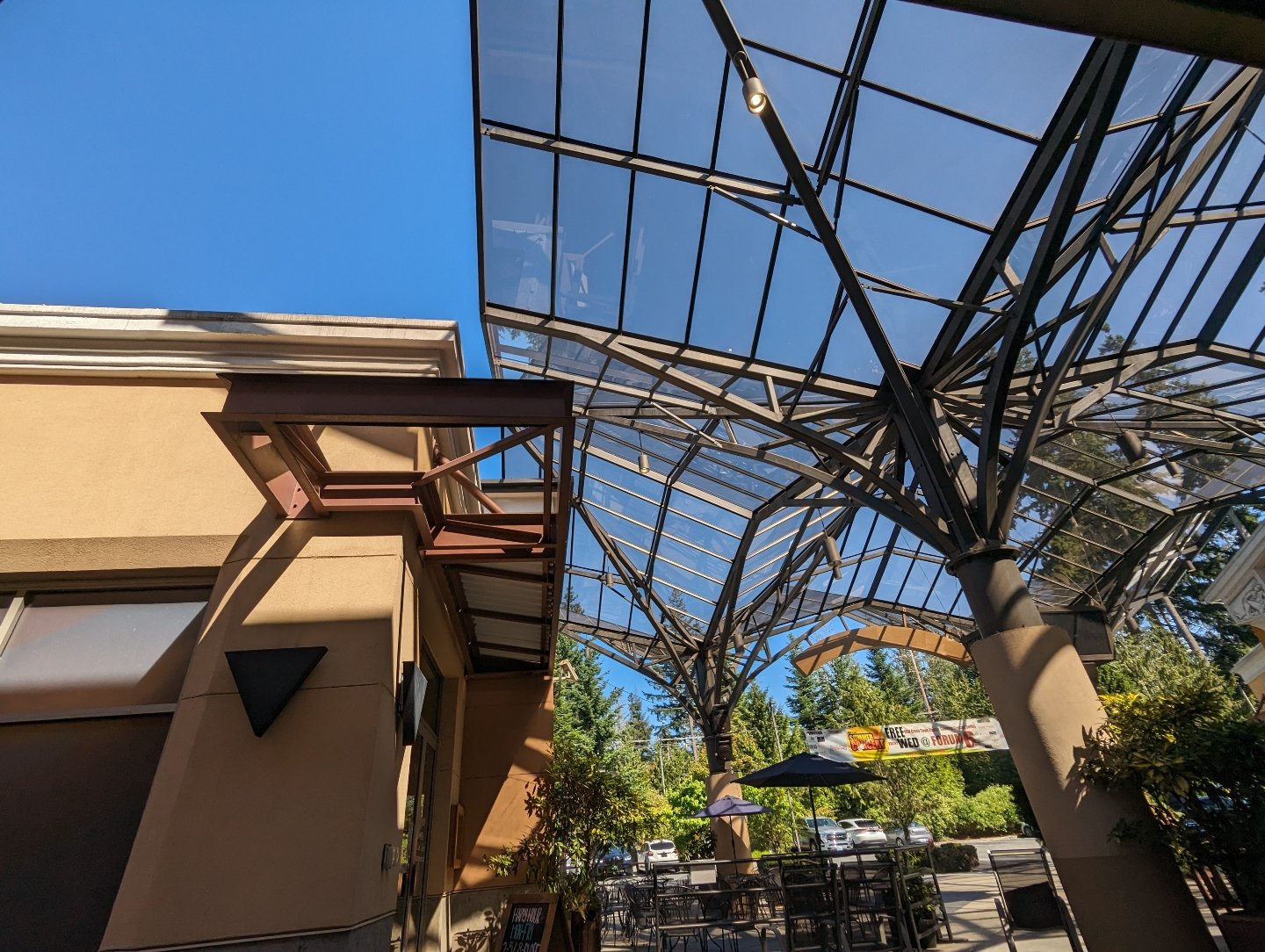
Redmond Town Center
Redmond, WA
Point Ruston
Tacoma, WA
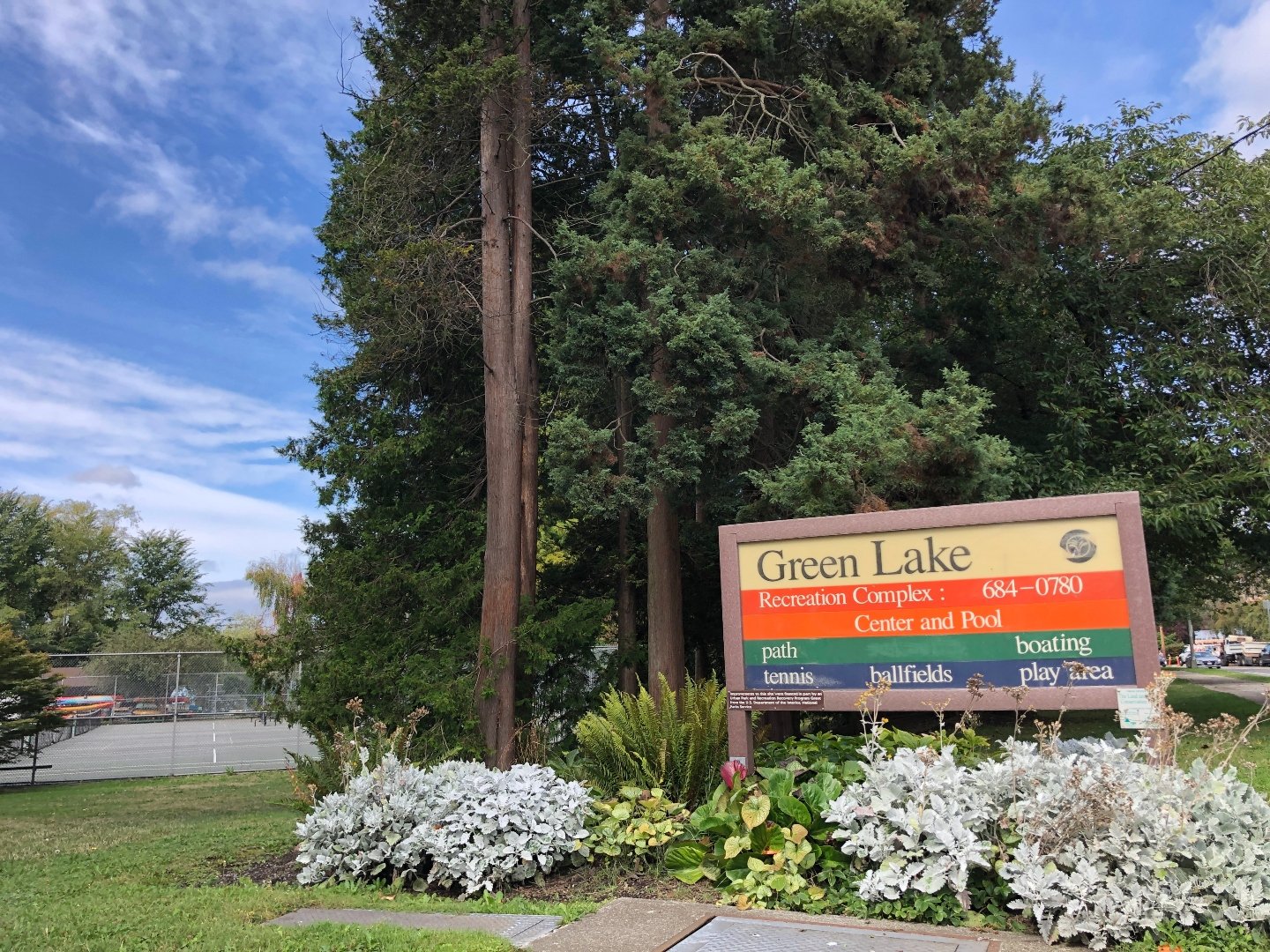
Green Lake
Seattle, WA
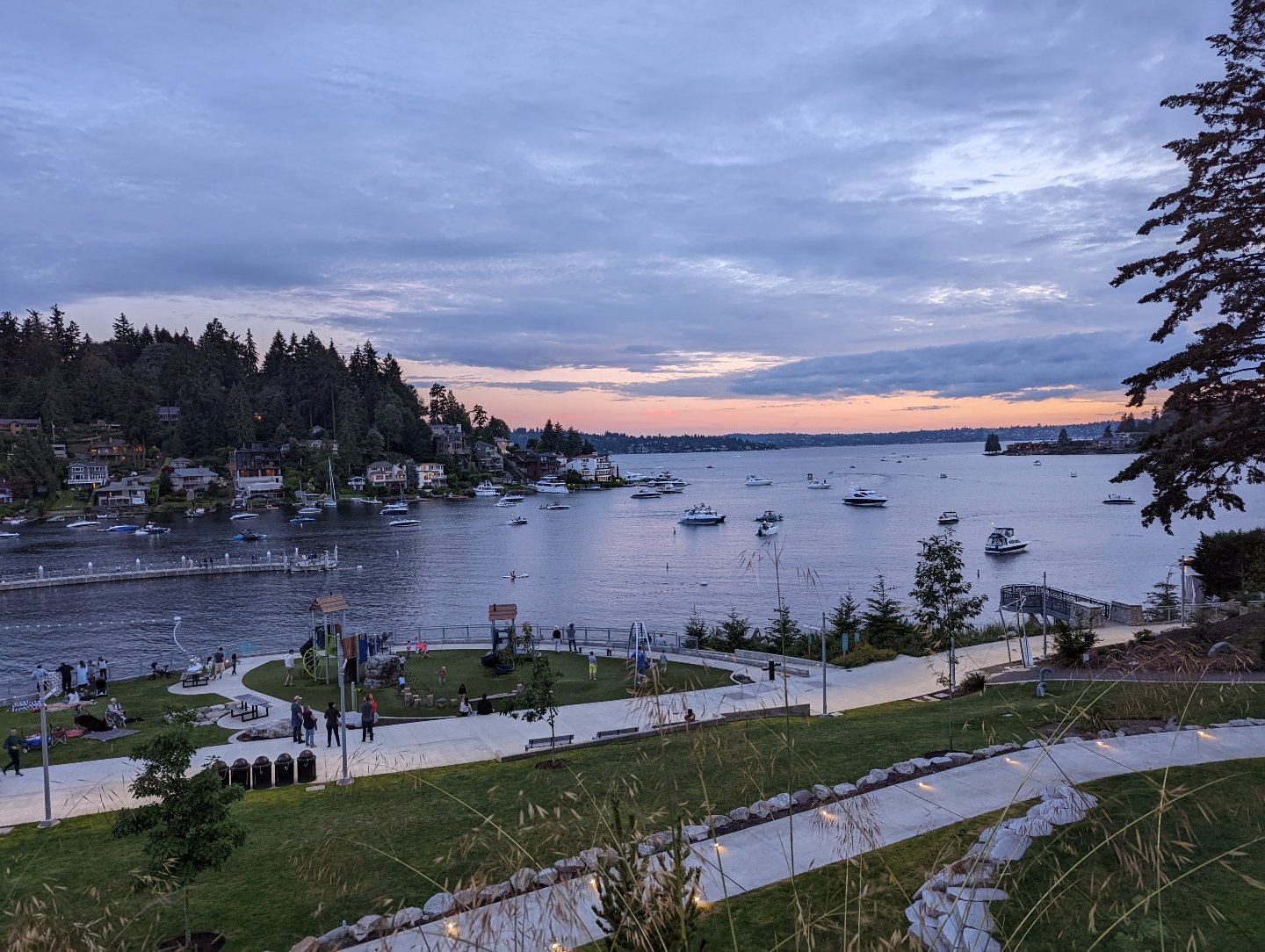
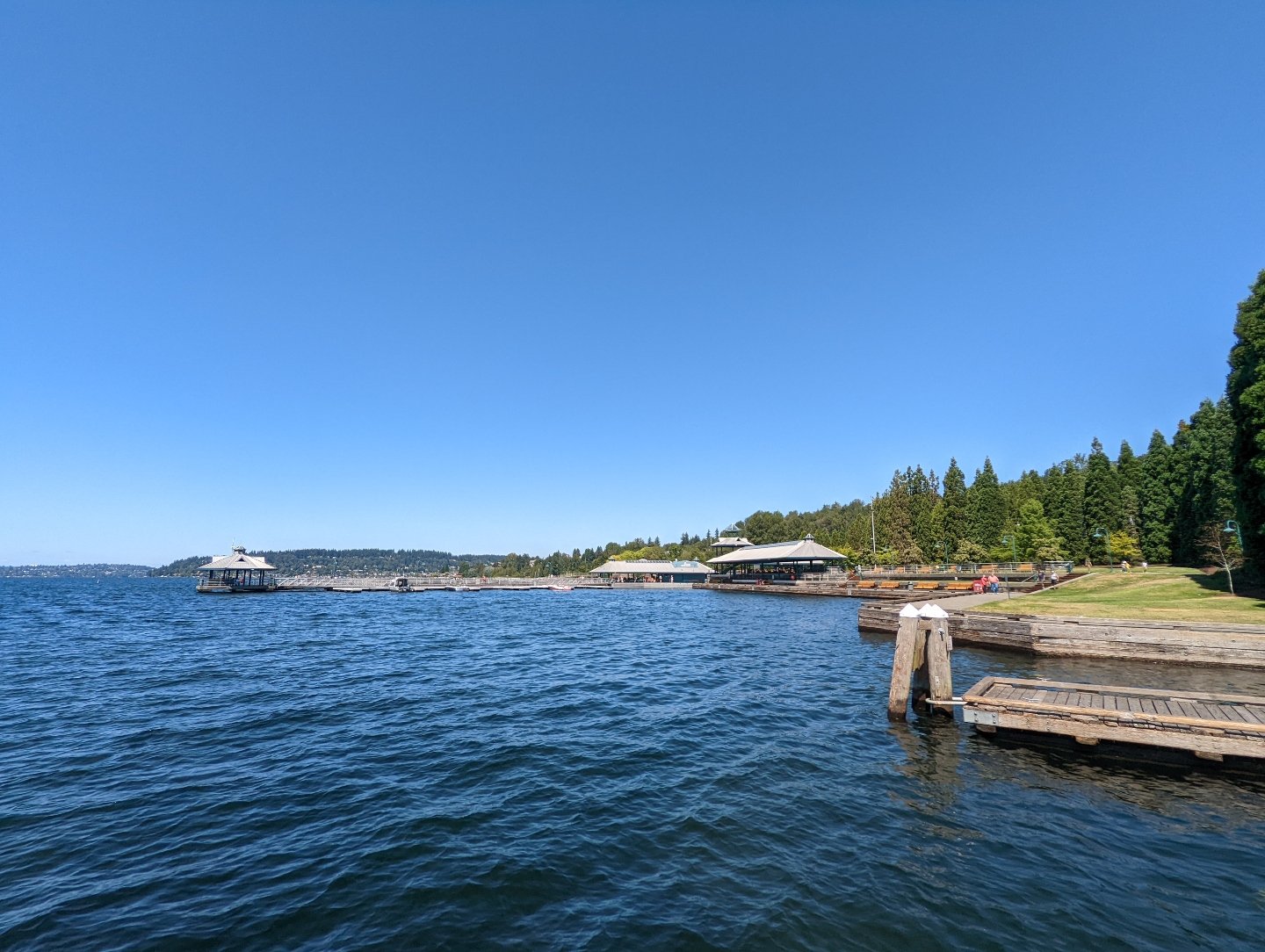
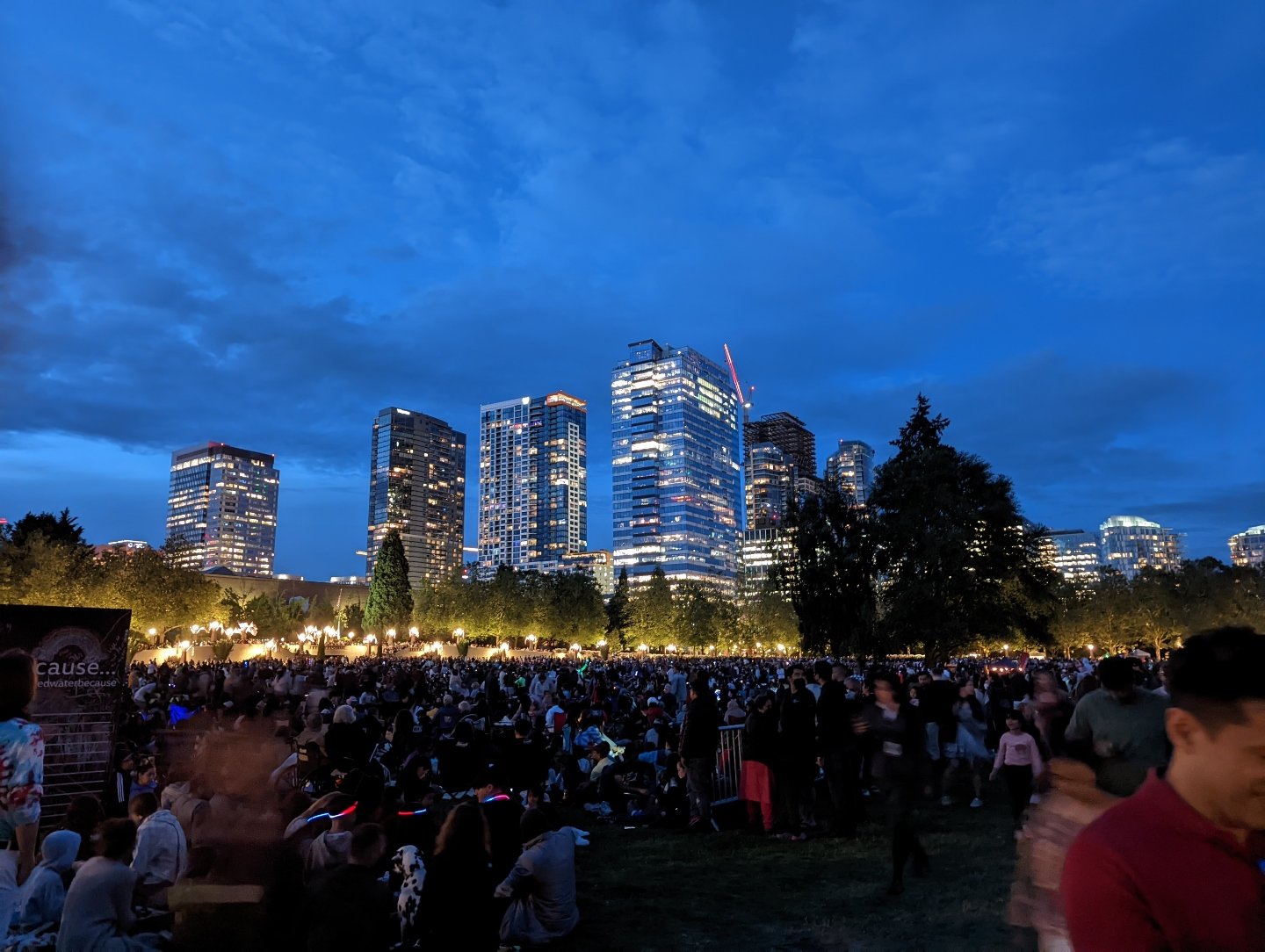
Meydenbauer Bay Park
Bellevue, WA
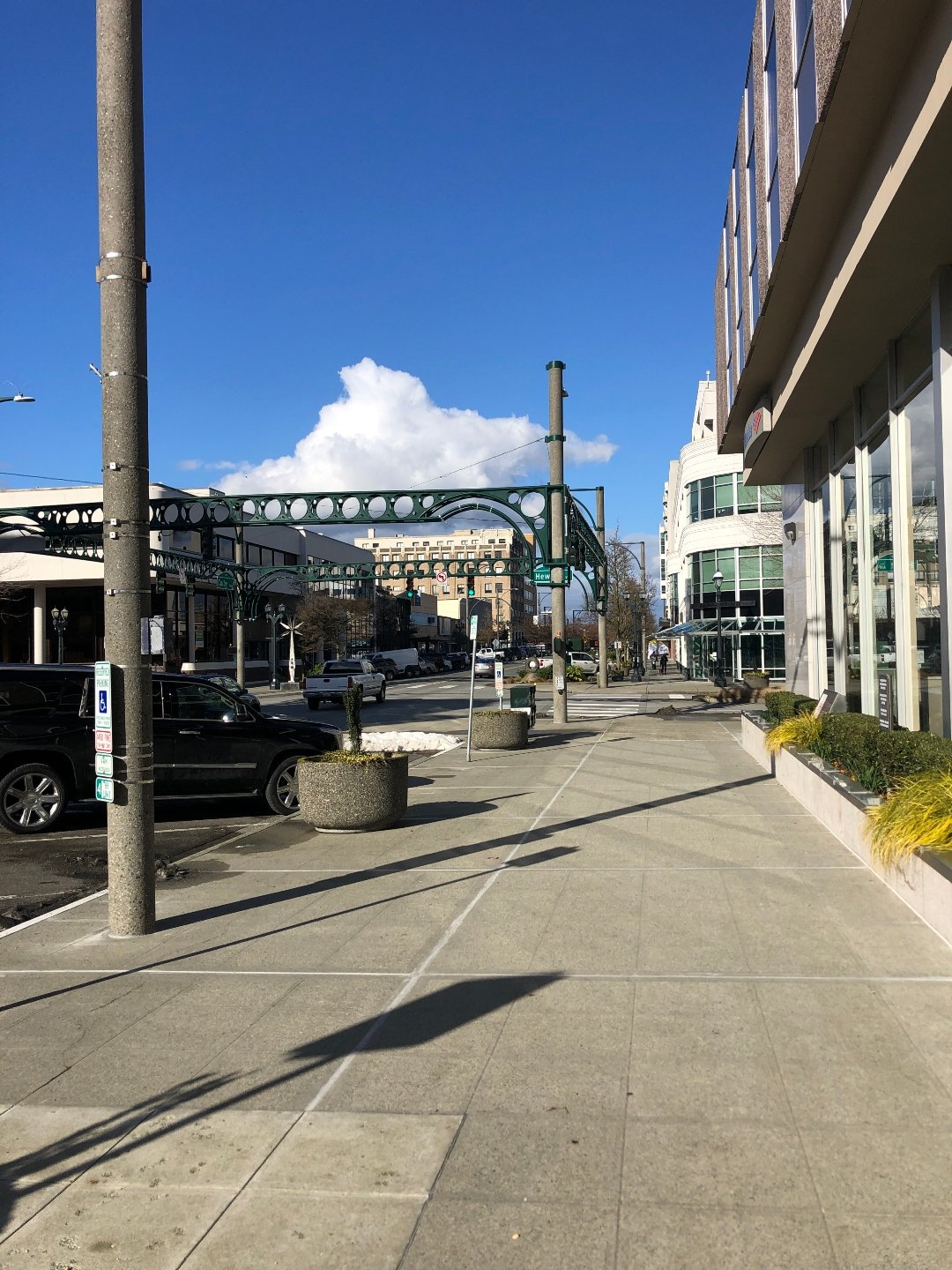
Downtown Everett
Everett, WA
Gene Coulon Memorial Beach Park
Renton, WA
Kent Valley
Kent, WA
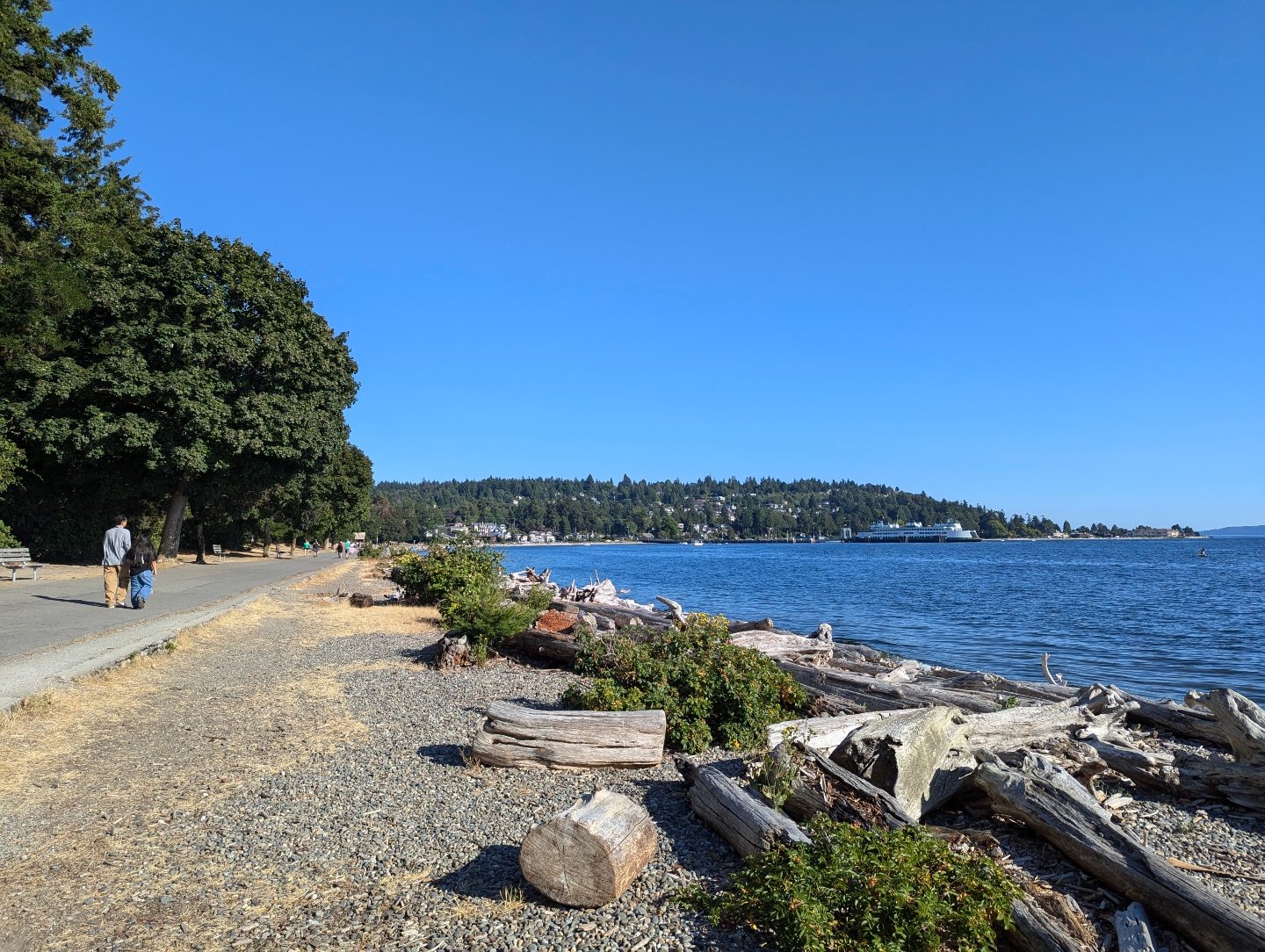
Lincoln Park
West Seattle, WA
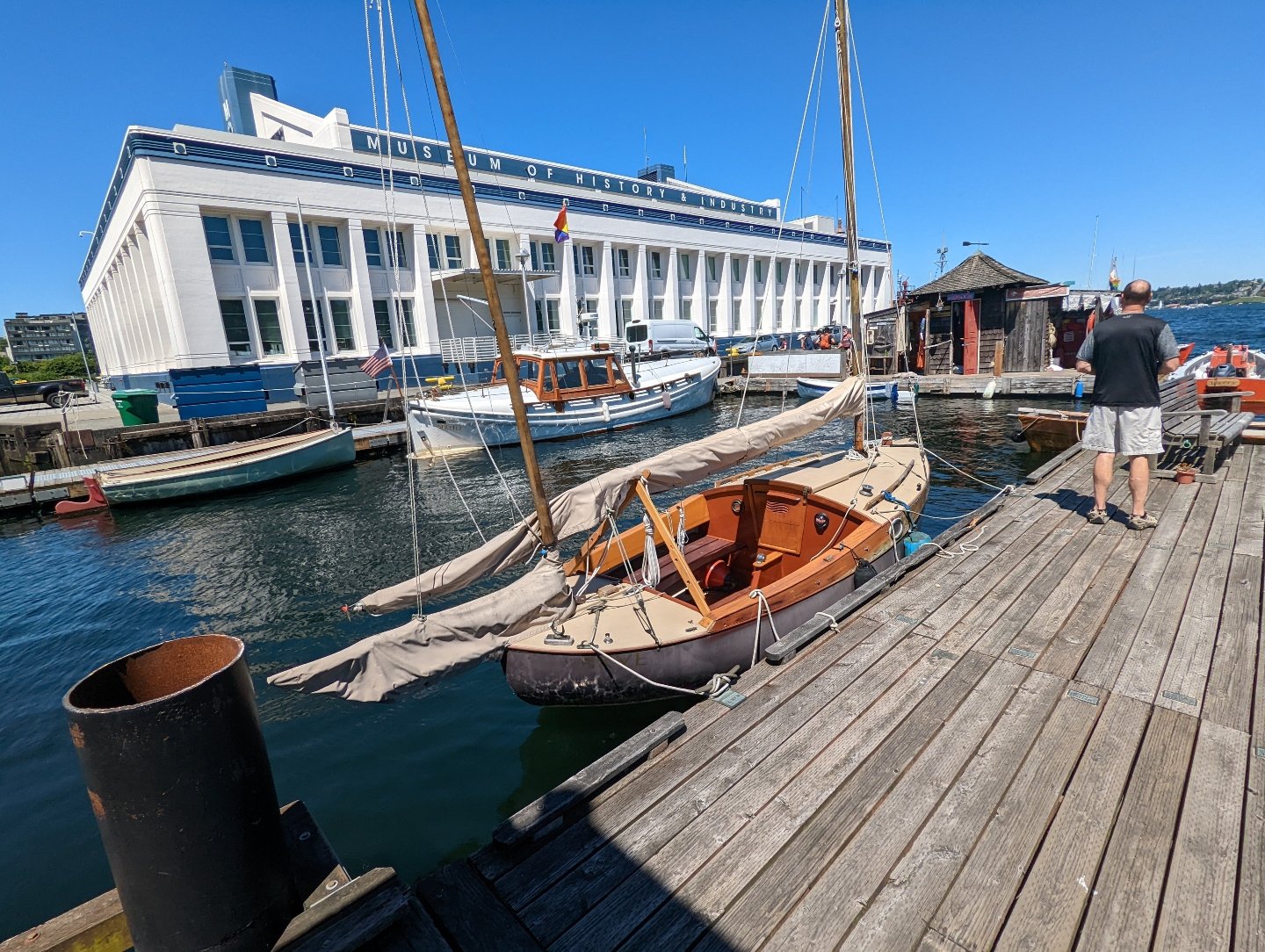
MOHAI Seattle
Seattle, WA
Weyerhauser Aquatic Center
Federal Way, WA
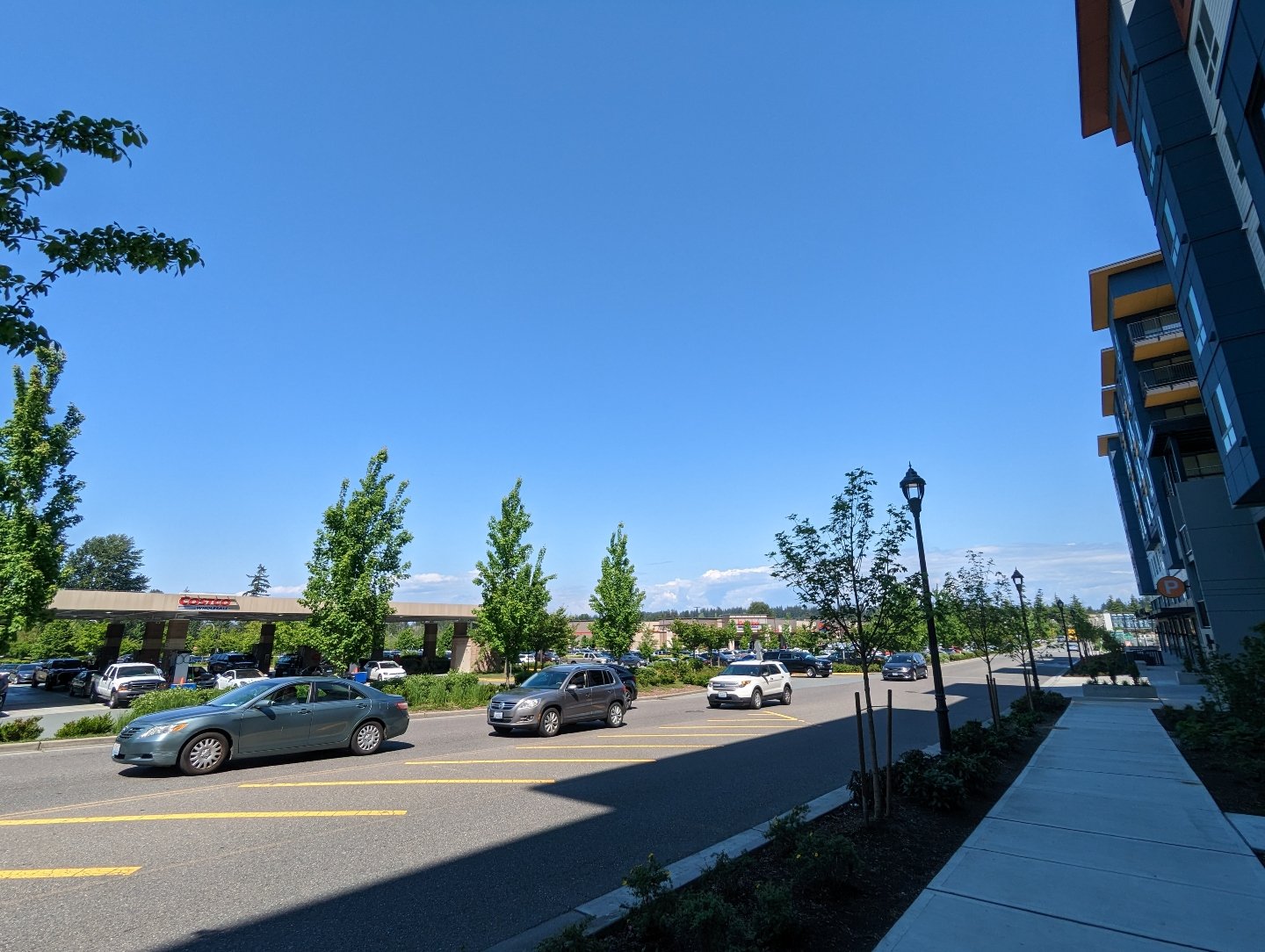
Costco Alderwood
Lynnwood, WA
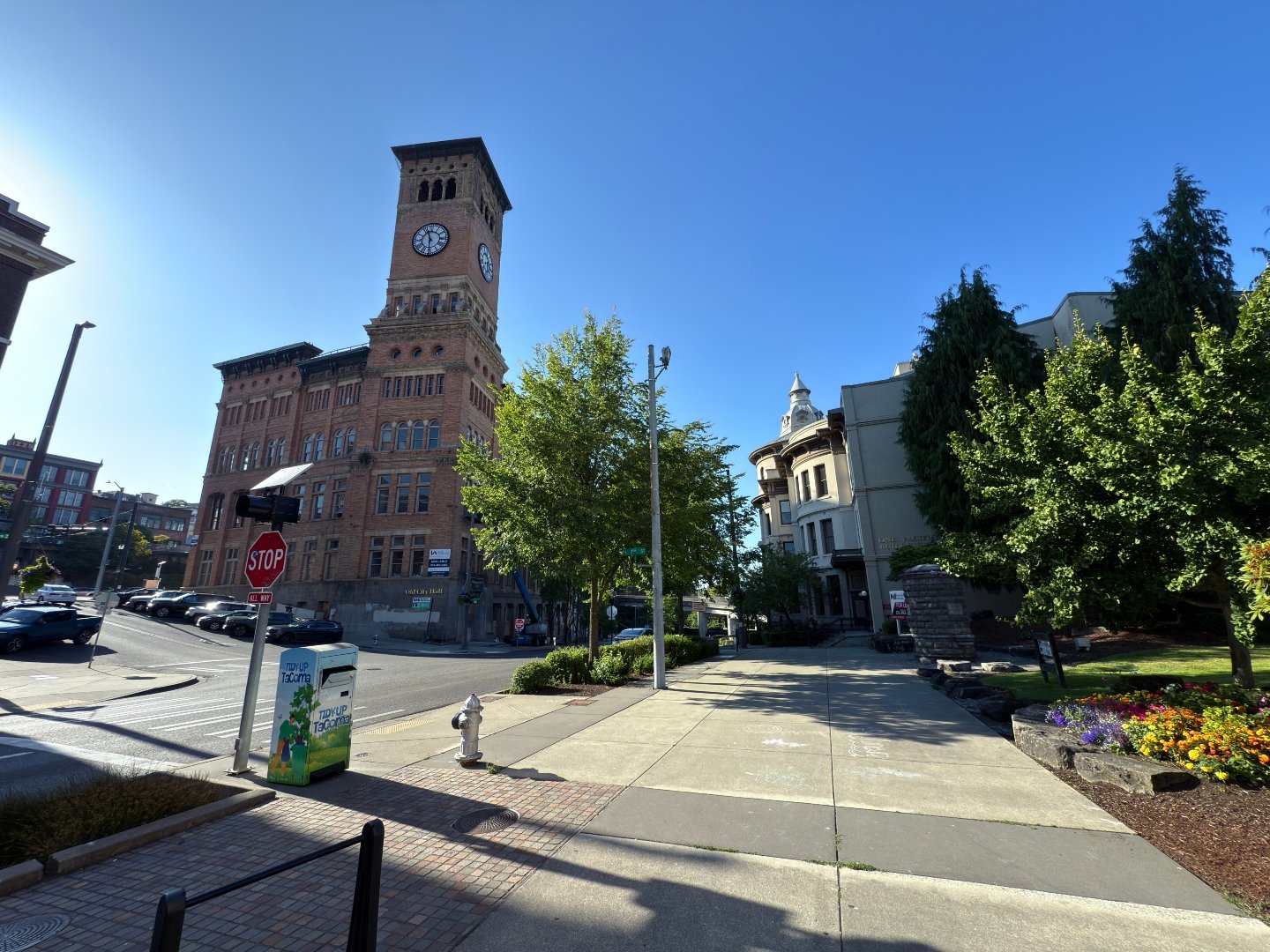
Theatre District
Tacoma, WA
Sunrise Park
South Hill, WA
Edmonds Bowl
Edmonds, WA
WA State Fair
Puyallup, WA
Sunrise
Puyallup, WA
Meydenbauer Bay Park
Bellevue, WA
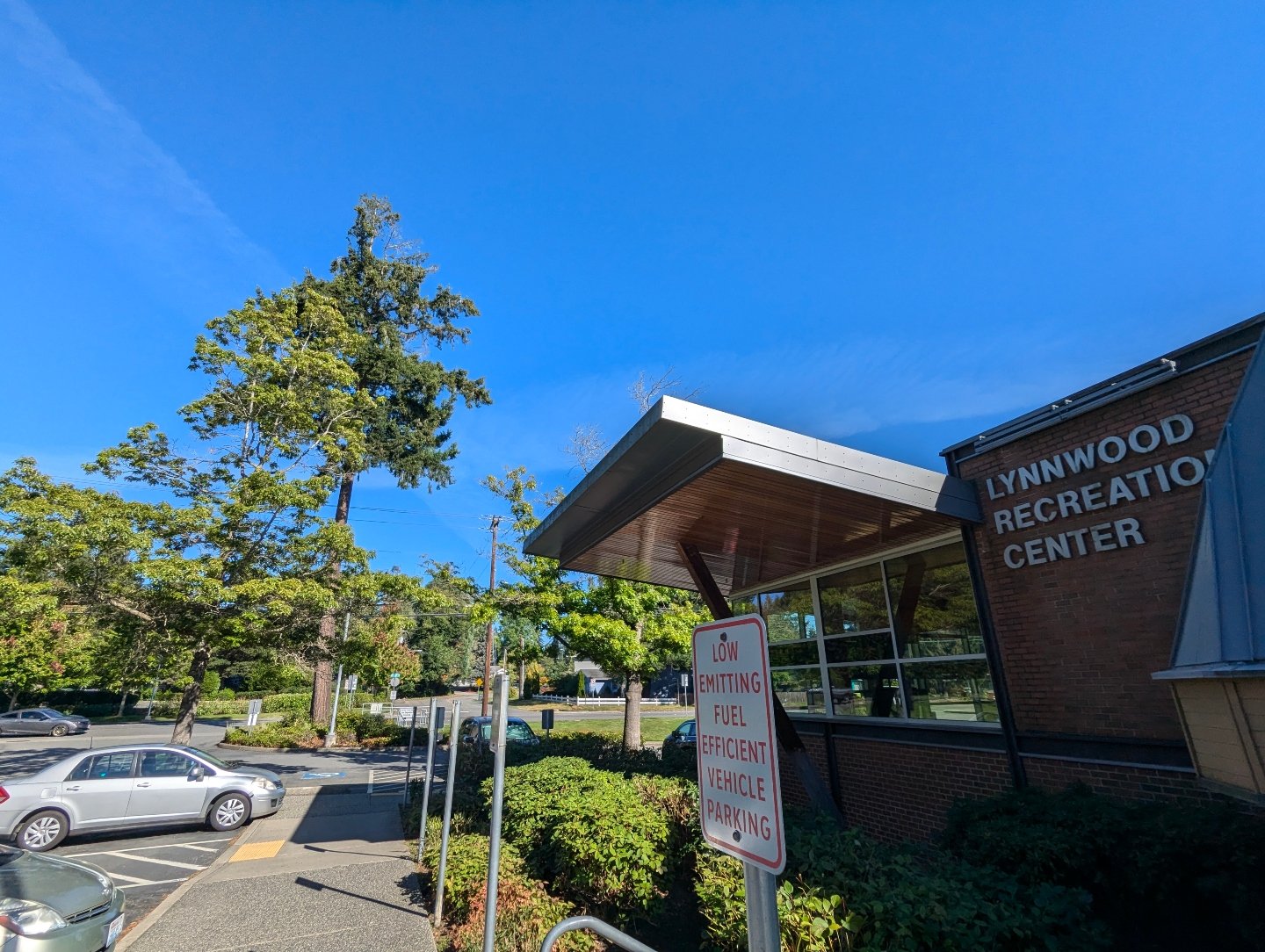
Lynnwood Recreation Center
Lynnwood, WA
Alderwood Mall
Lynnwood, WA
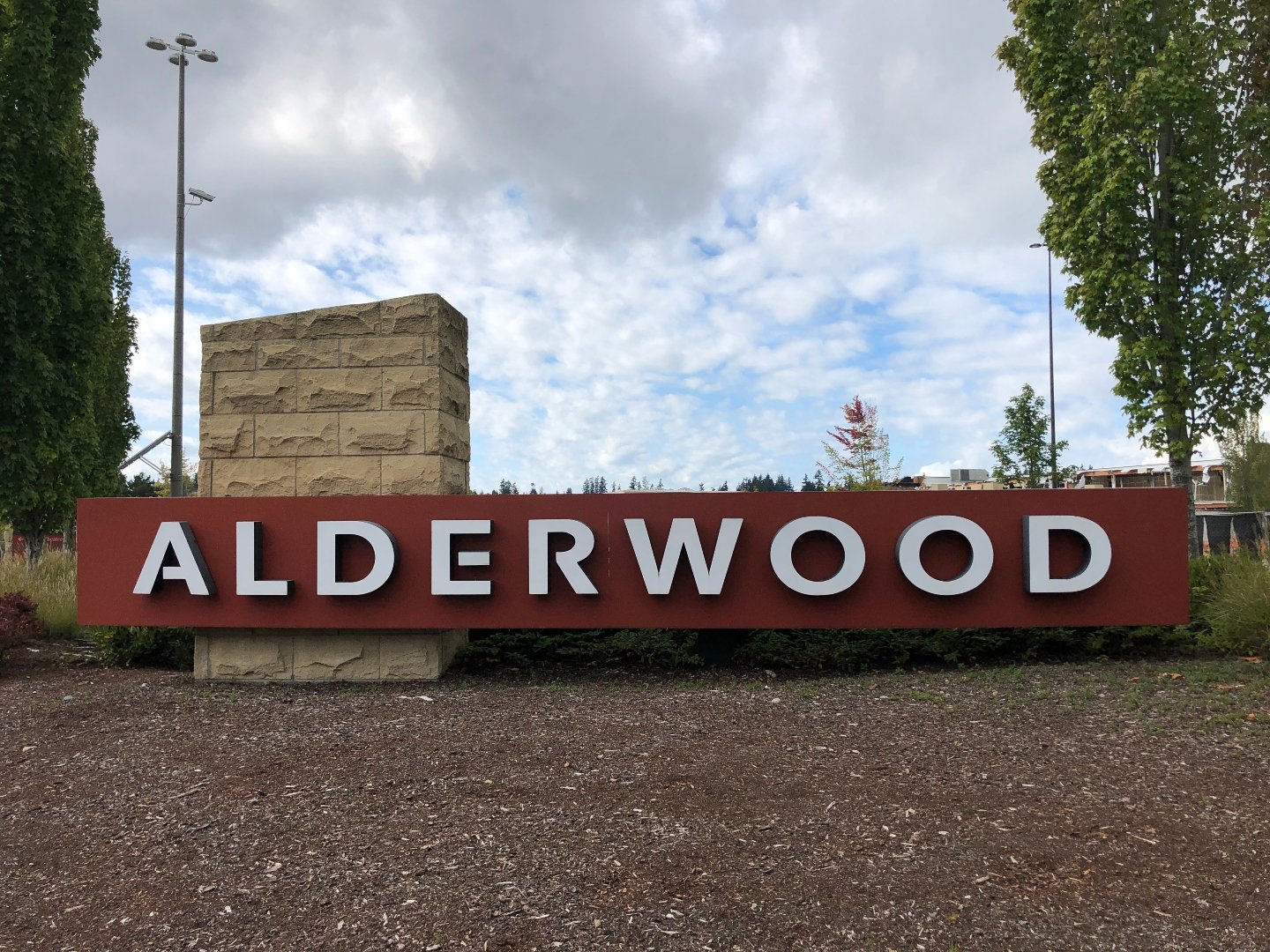
Alderwood
Lynnwood, WA
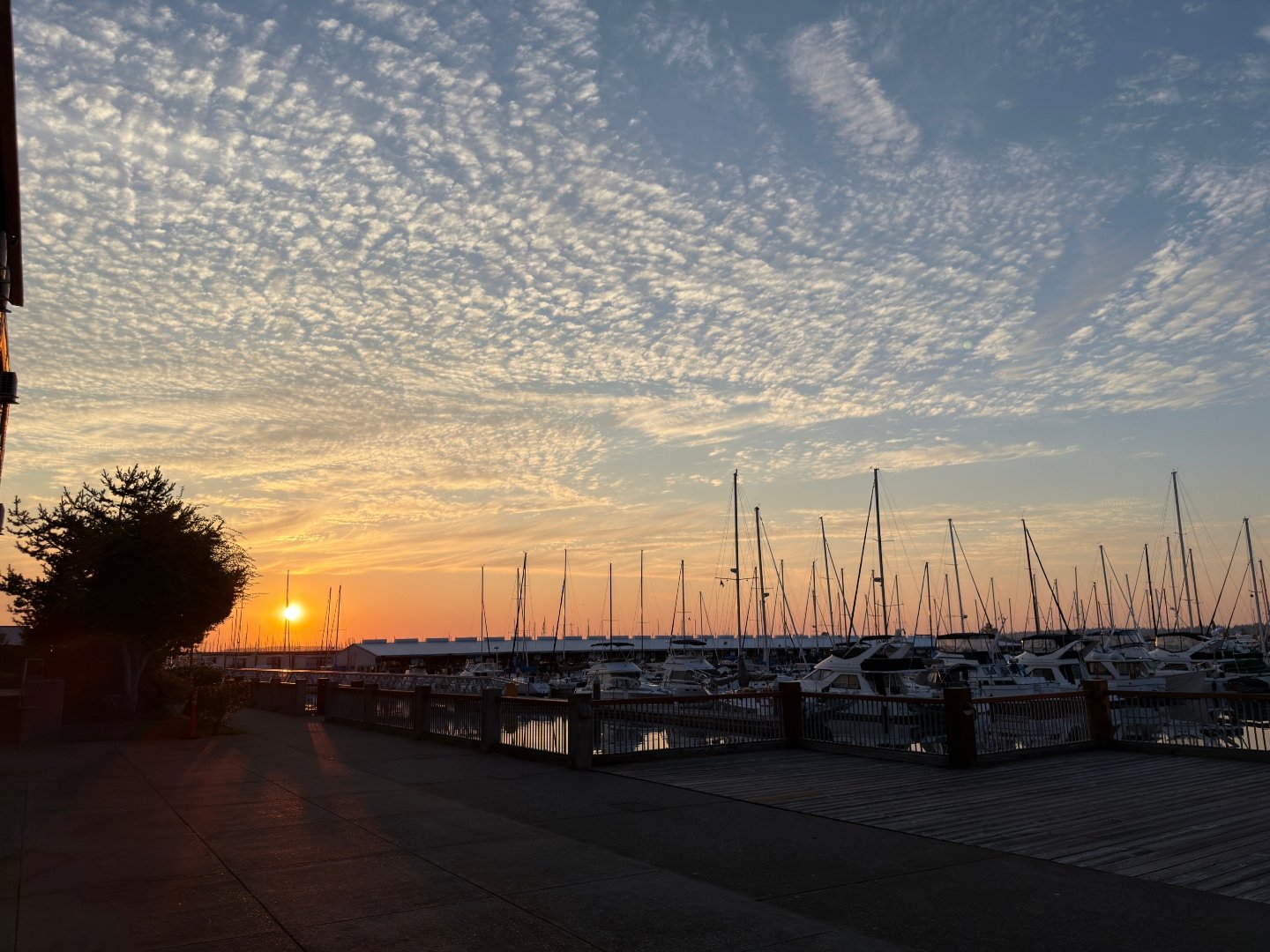
Everett Marina
Everett, WA
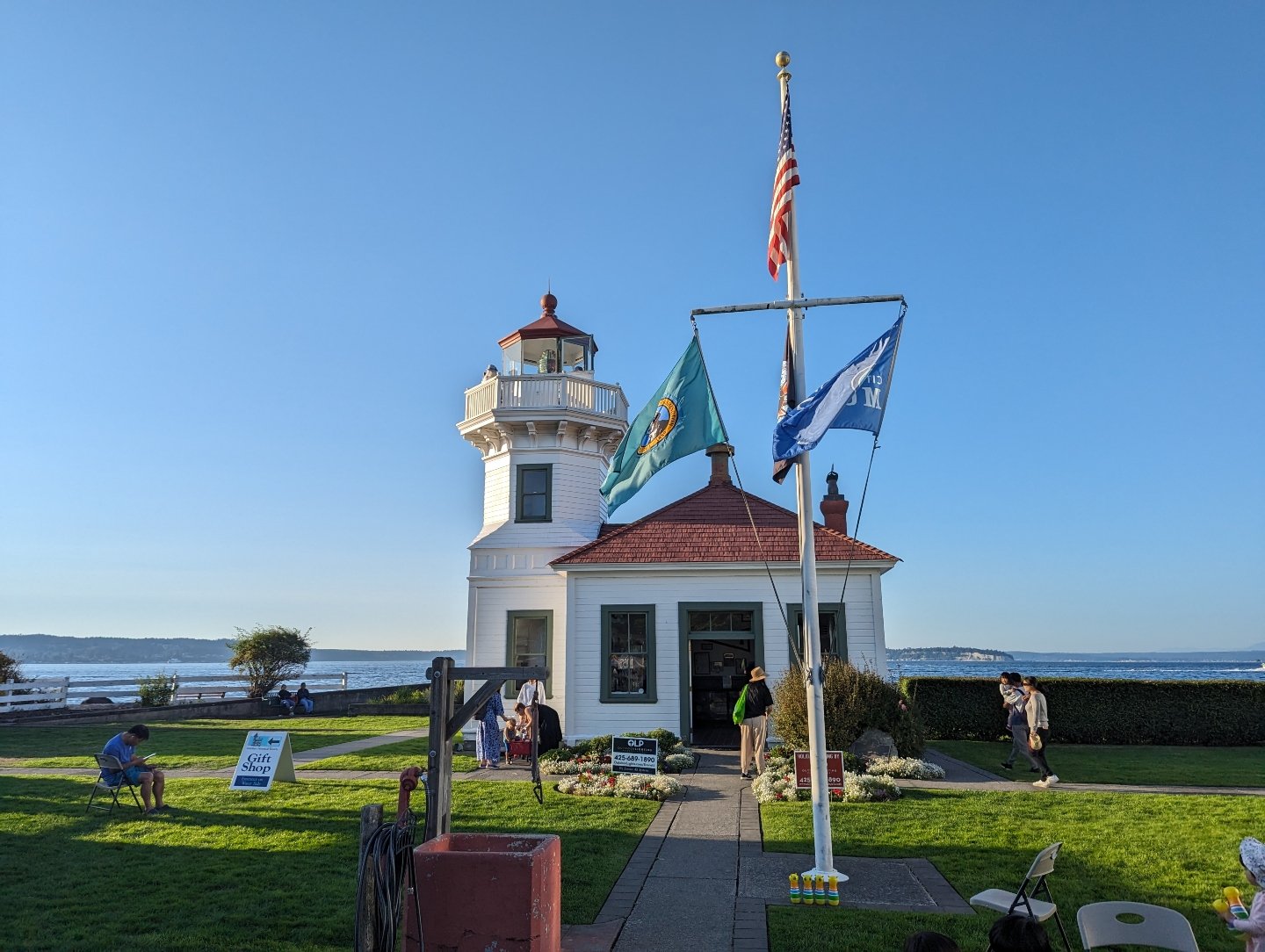
Lighthouse Park
Mukilteo, WA
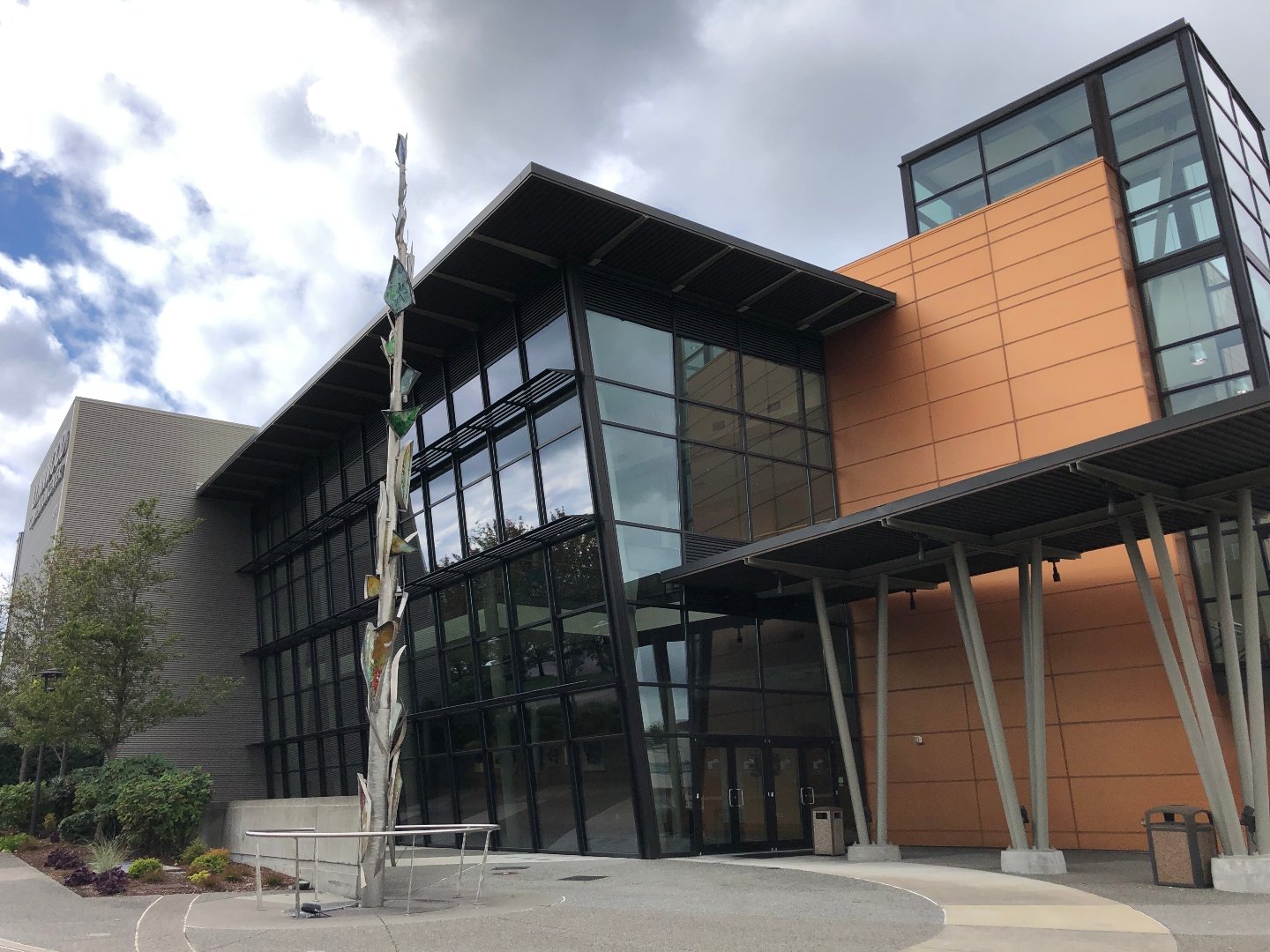
Lynnwood Convention Center
Lynnwood, WA
Brooklyn Bros Pizza
Mill Creek, WA
Lake Sammamish State Park
Issaquah, WA
Mill Creek Town Center
Mill Creek, WA
Bellevue Downtown Park
Bellevue, WA
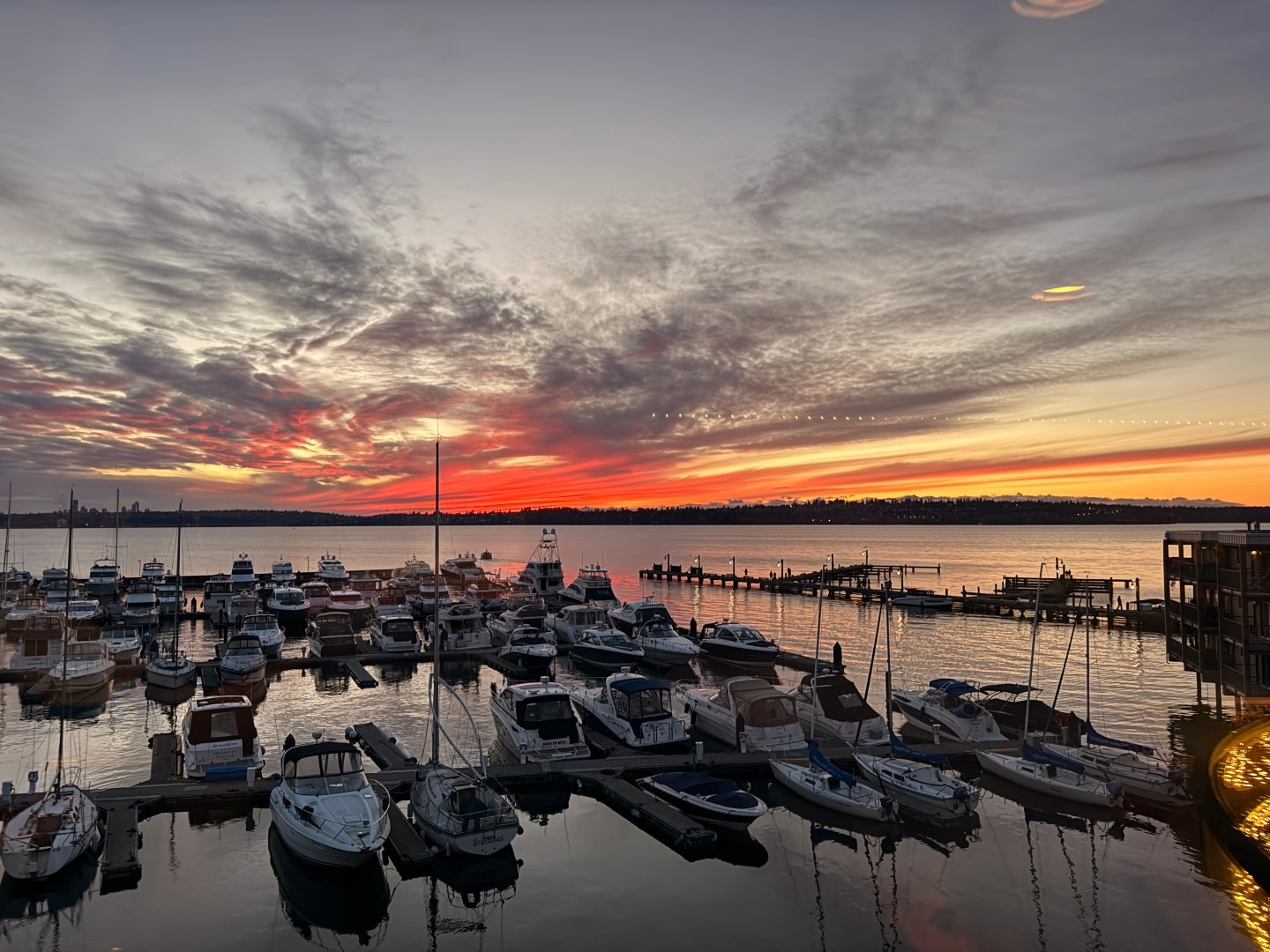
Kirkland Homeport Marina
Kirkland, WA
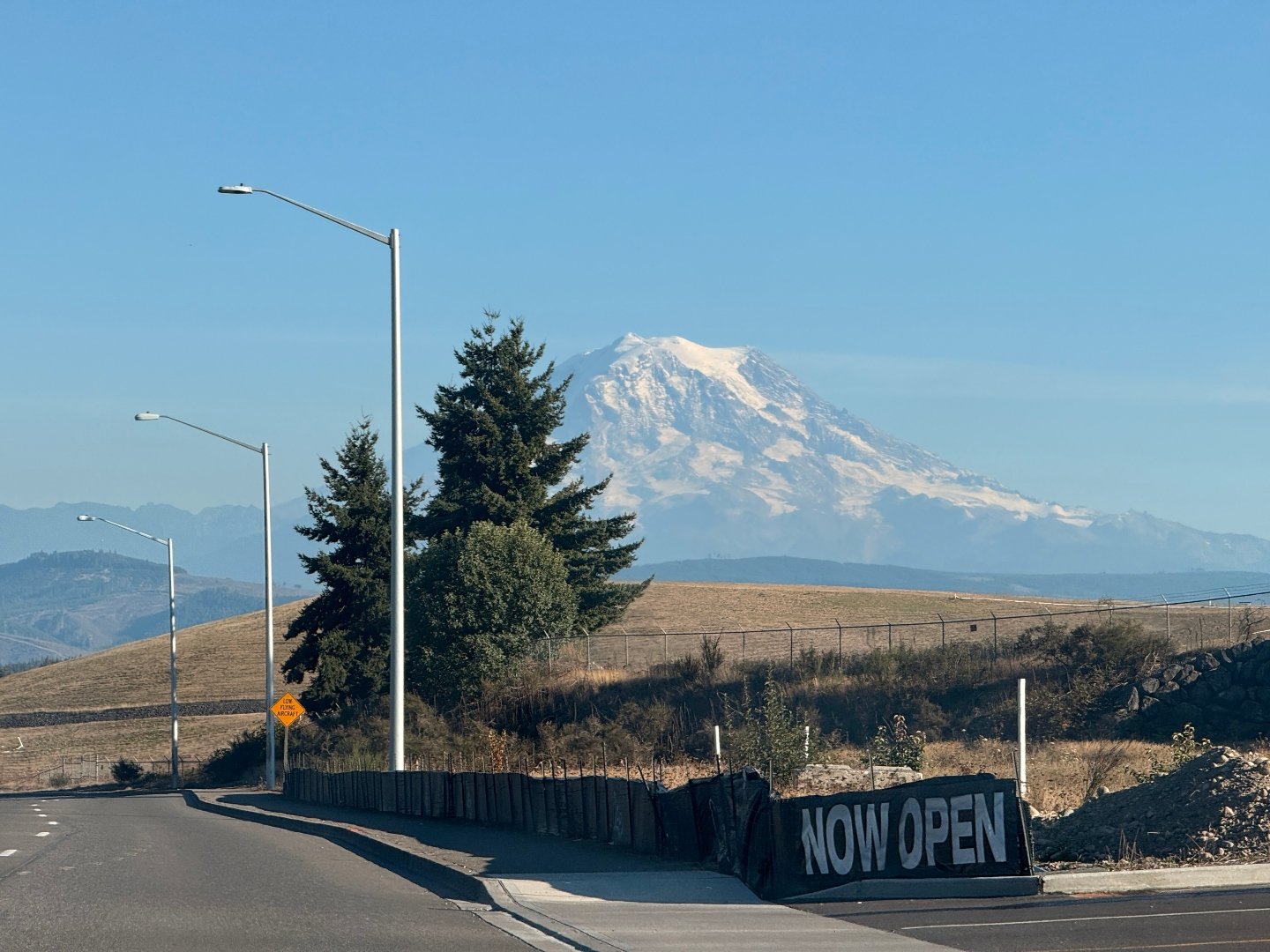
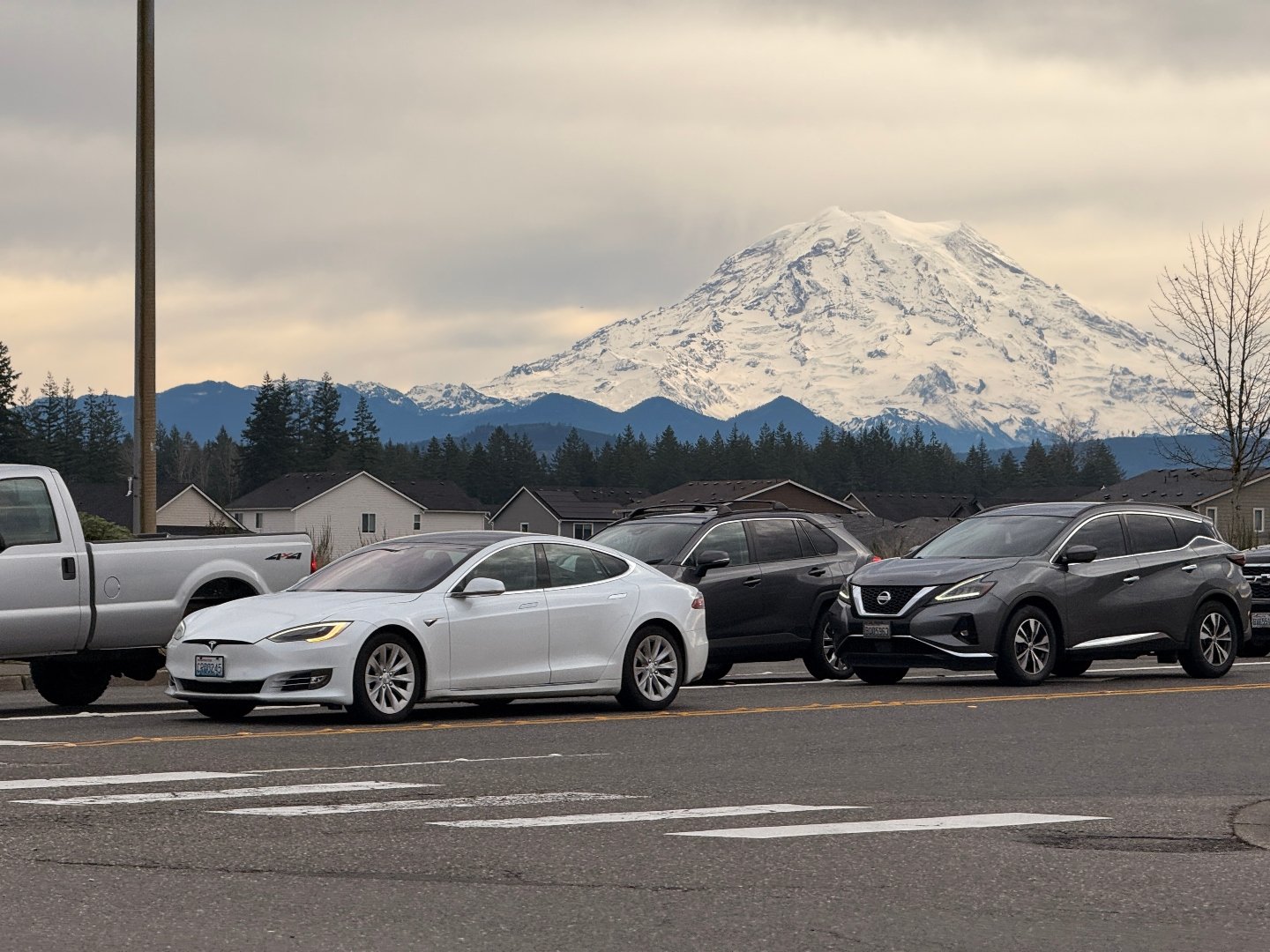
Mount Rainier National Park
Mount Rainier, WA
Ballard Locks
Seattle, WA
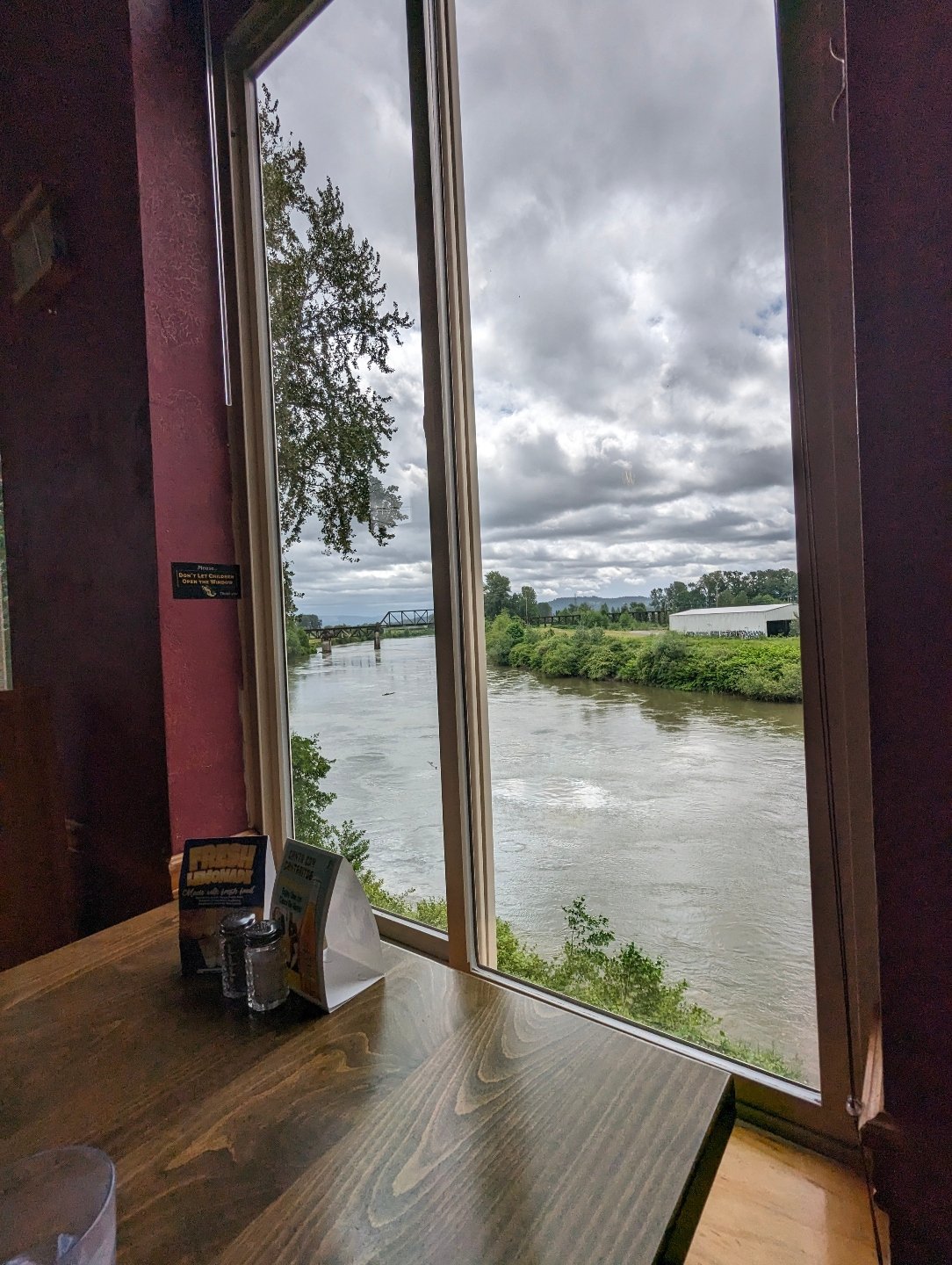
Snohomish River
Snohomish, WA
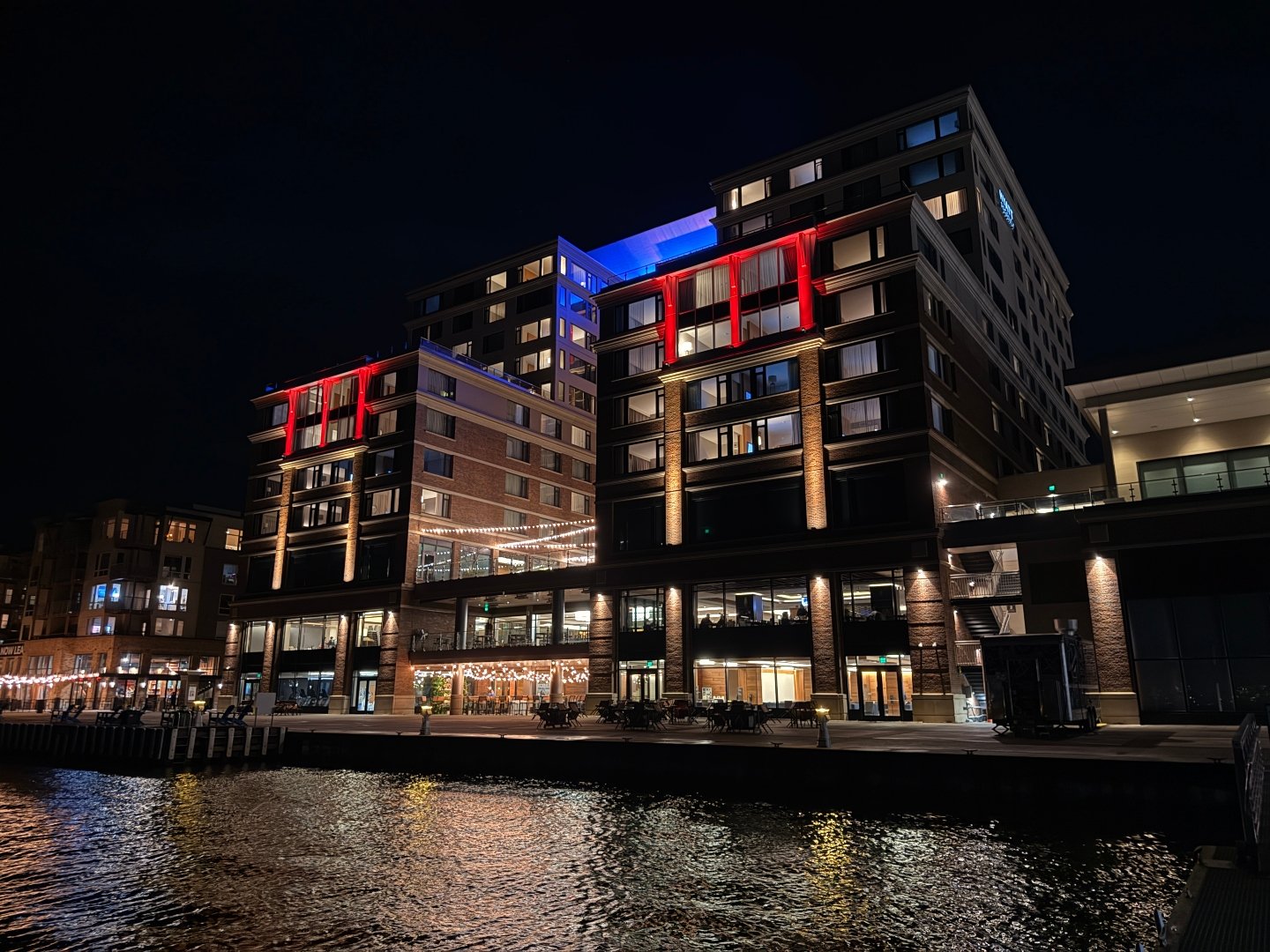
Renton Southport
Renton, WA
Lake Tapps
Lake Tapps, WA
Mount Rainier National Park
Mount Rainier, WA
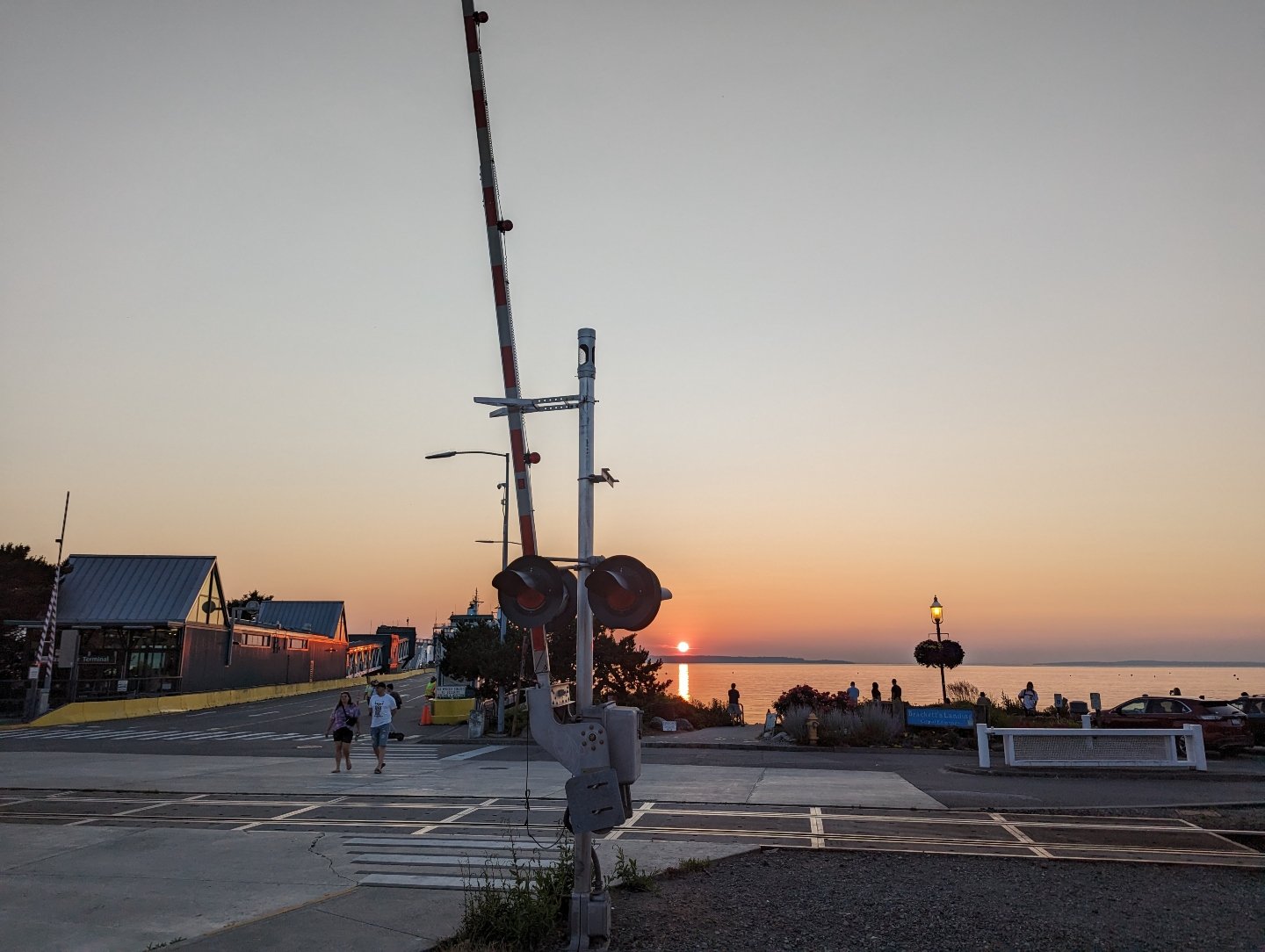
Train Track in Edmonds
Edmonds, WA
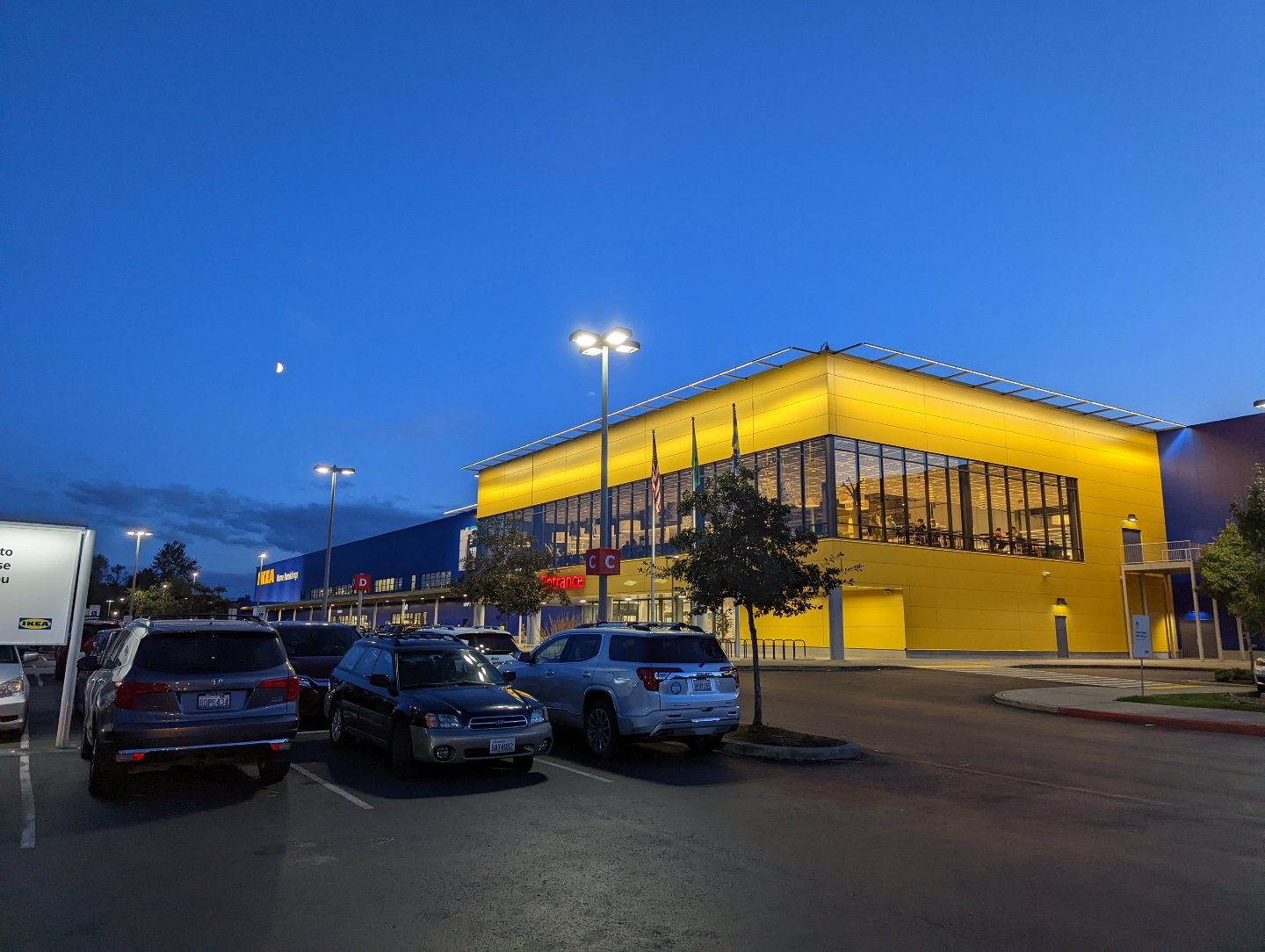
IKEA Renton
Renton, WA
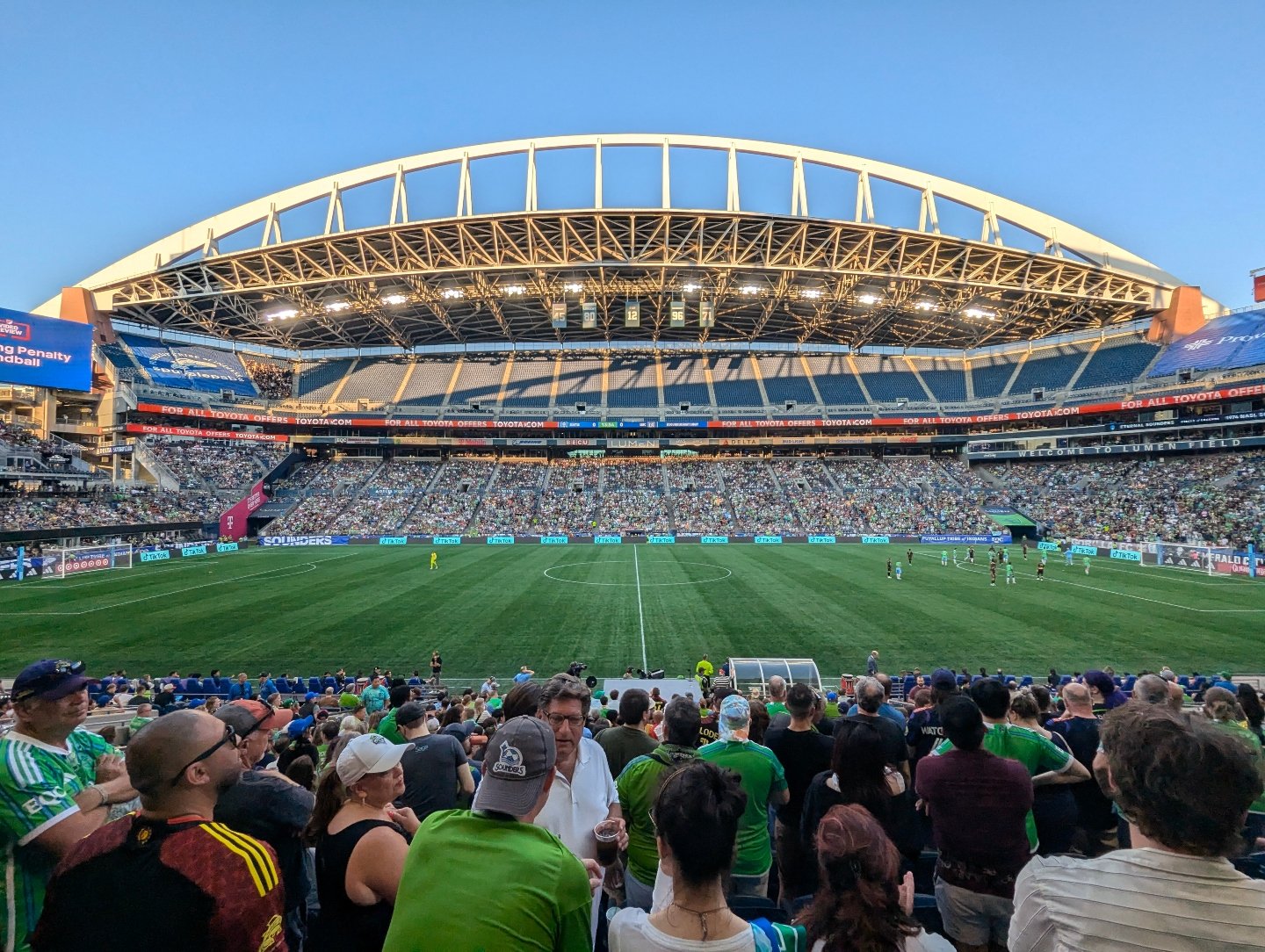
Lumen Field
Seattle, WA
Sunrise
Puyallup, WA
Bellevue Square
Bellevue, WA
Everett Waterfront
Everett, WA
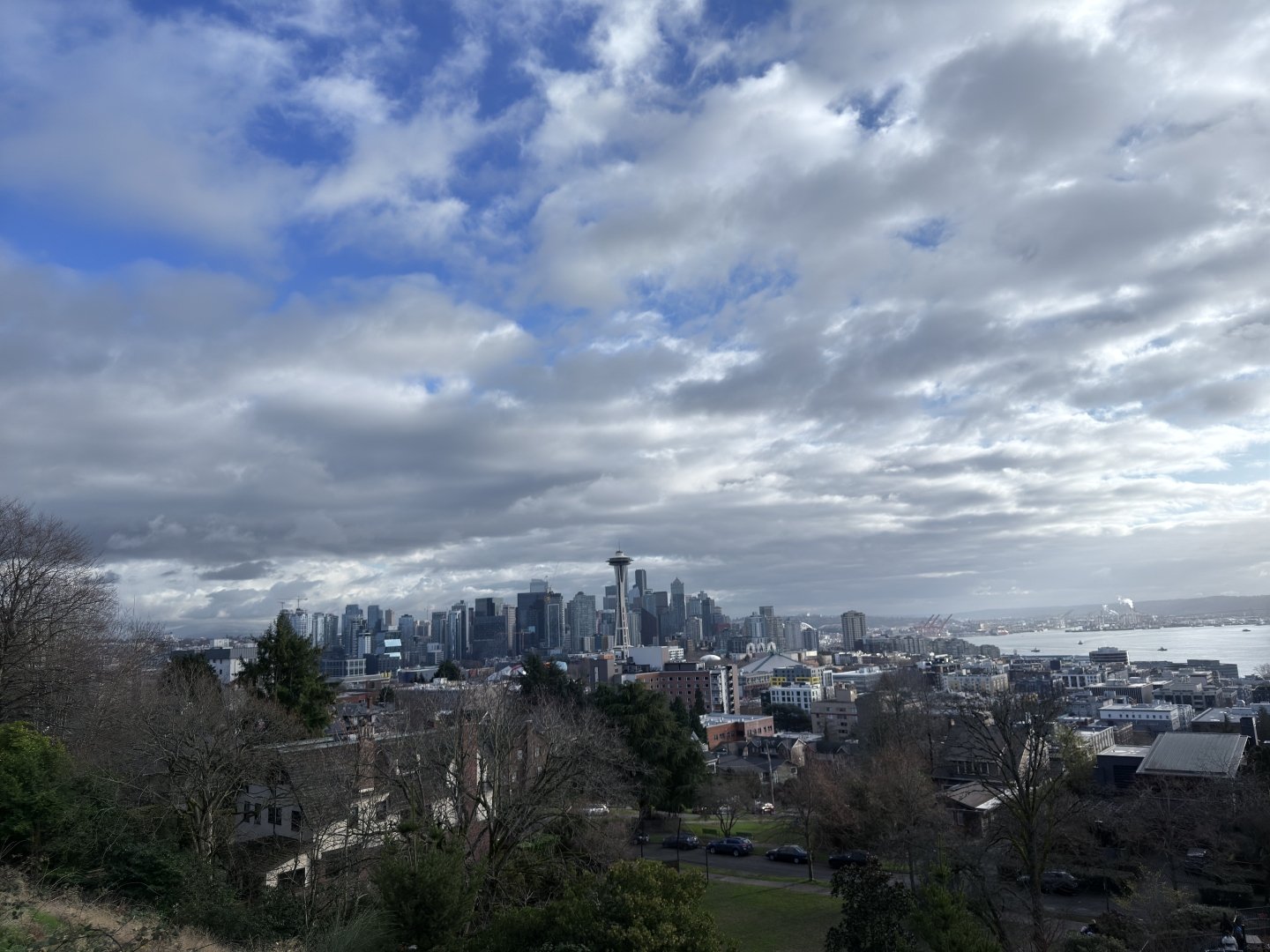
Kerry Park
Seattle, WA
Author: Jake Ni
|
Published: Mar 20, 2026
|
Updated: Apr 16, 2026
Answer:
This is more about user preference than a hard rule. In general, studies and common behavior suggest that most people prefer lighter backgrounds, especially because dark backgrounds with light text can strain the eyes more during long reading sessions. So for many websites, light mode remains the more natural default.
That said, dark mode has become more common in apps and digital products, and some people do prefer it, especially in low-light situations or at night. Because of that, dark mode can still be a useful option.
The best recommendation is to give users the choice if the business wants to include both. Rather than locking everyone into one mode, it can be beneficial to offer a toggle between light mode and dark mode. That makes the website more flexible and gives visitors control over what is more comfortable for them.
So the answer is not that one mode is always right and the other is always wrong. The better approach is to understand that people have different preferences and, when possible, design with that flexibility in mind.
Summary:
The answer treats dark mode versus light mode as a preference-based design decision rather than a strict requirement. While lighter backgrounds are generally easier on the eyes and more commonly preferred, dark mode still has value for some users, especially in nighttime or low-light use cases. The speaker recommends flexibility wherever possible, suggesting that a website should ideally allow users to choose between the two rather than forcing one universal setting. The overall point is that mode selection should be guided by user comfort and brand fit rather than trend-following alone. If implemented thoughtfully, an optional toggle can enhance the user experience without compromising the site’s professionalism.
About the Author
Jake Ni
Account Executive at 1 Stop Link
Jake believes that small businesses are the backbone of America.
They deserve to benefit from the latest technology that fail to trickle down from "big tech".
With expert local knowledge and over 7 years of industry experience, he's ready to help you build a top tier web presence!
Book a video consultation with Jake:
More Articles Like This
We Have The Proof: Top Rated Digital Marketing Agency in WA
1 Stop Link is 5 star rated on Google. Read words of appreciation from our clients.
No Stock Images, Just Real People and Real Testimonials
Watch our clients share their success stories in their own words.