Question: Is there a reason why images should be a certain size?
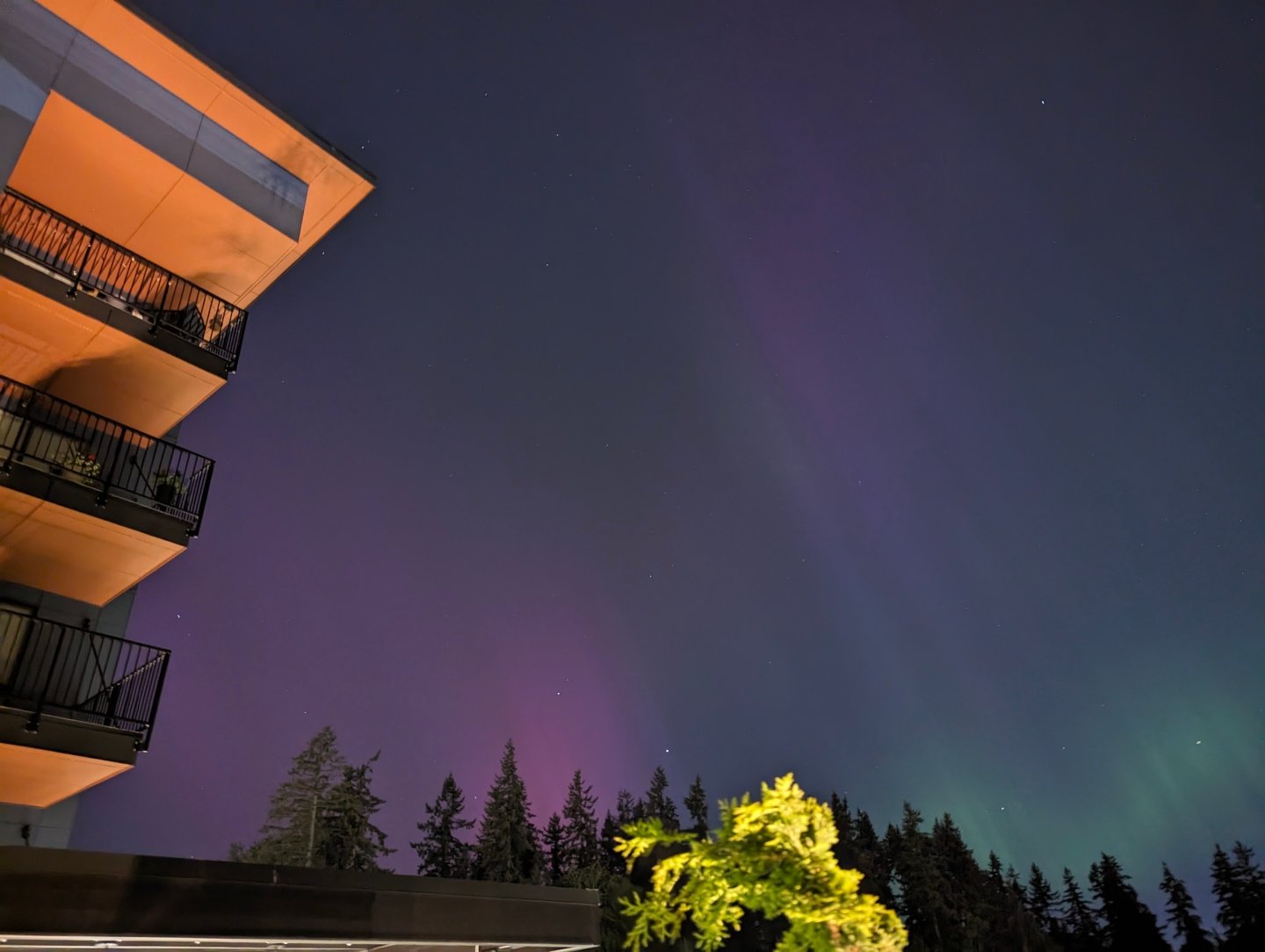
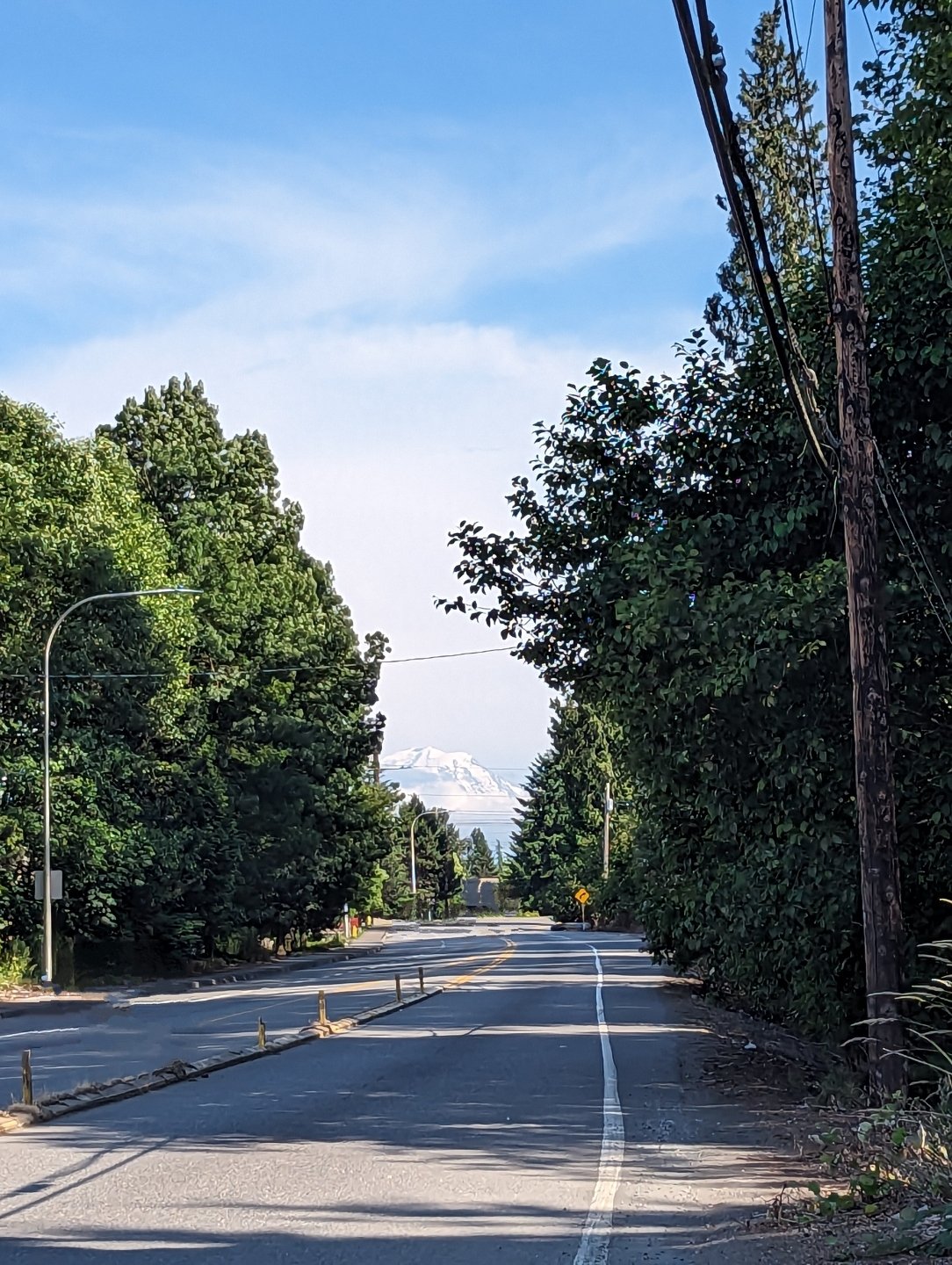
Alderwood
Lynnwood, WA
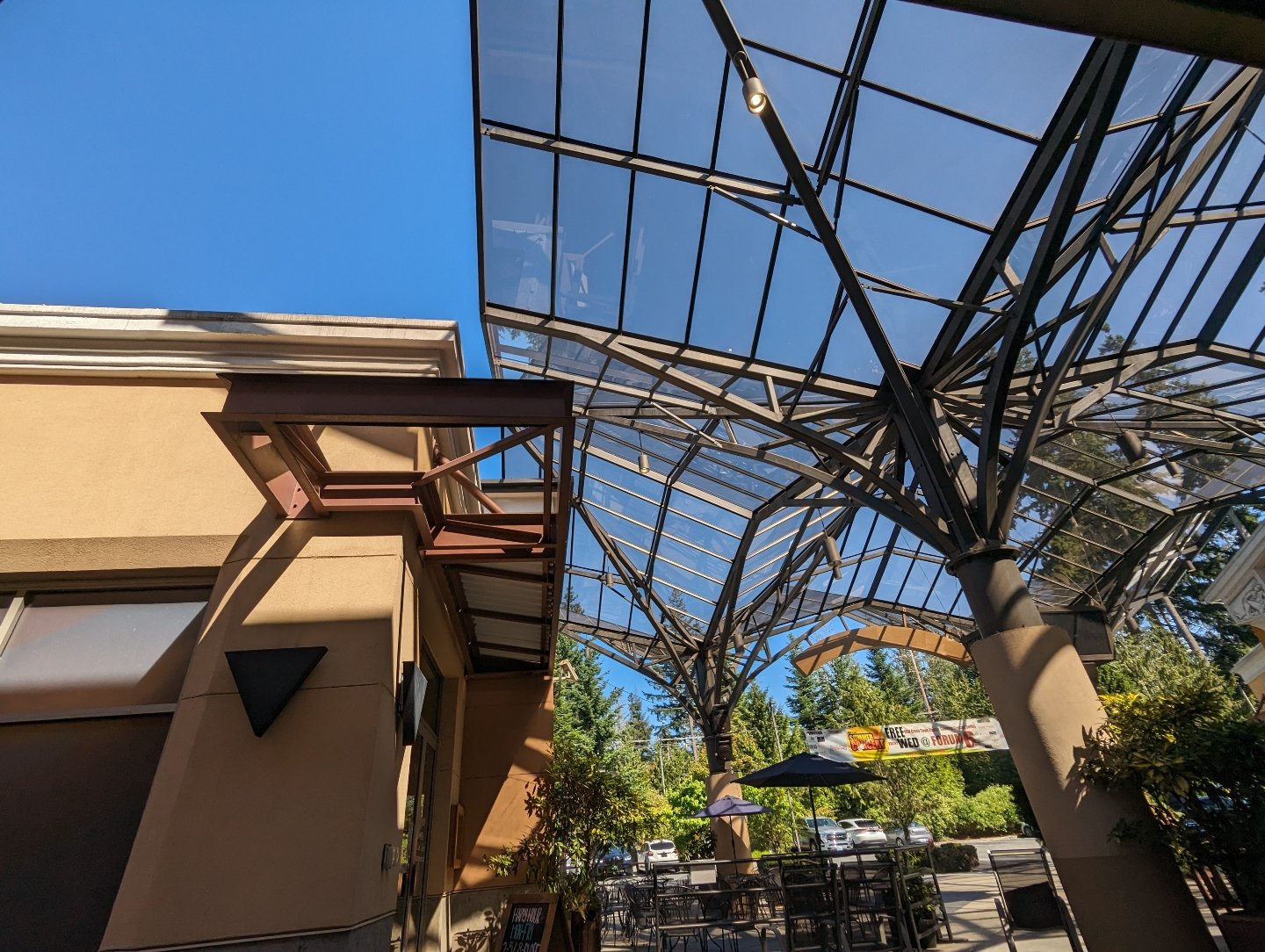
Brooklyn Bros Pizza
Mill Creek, WA
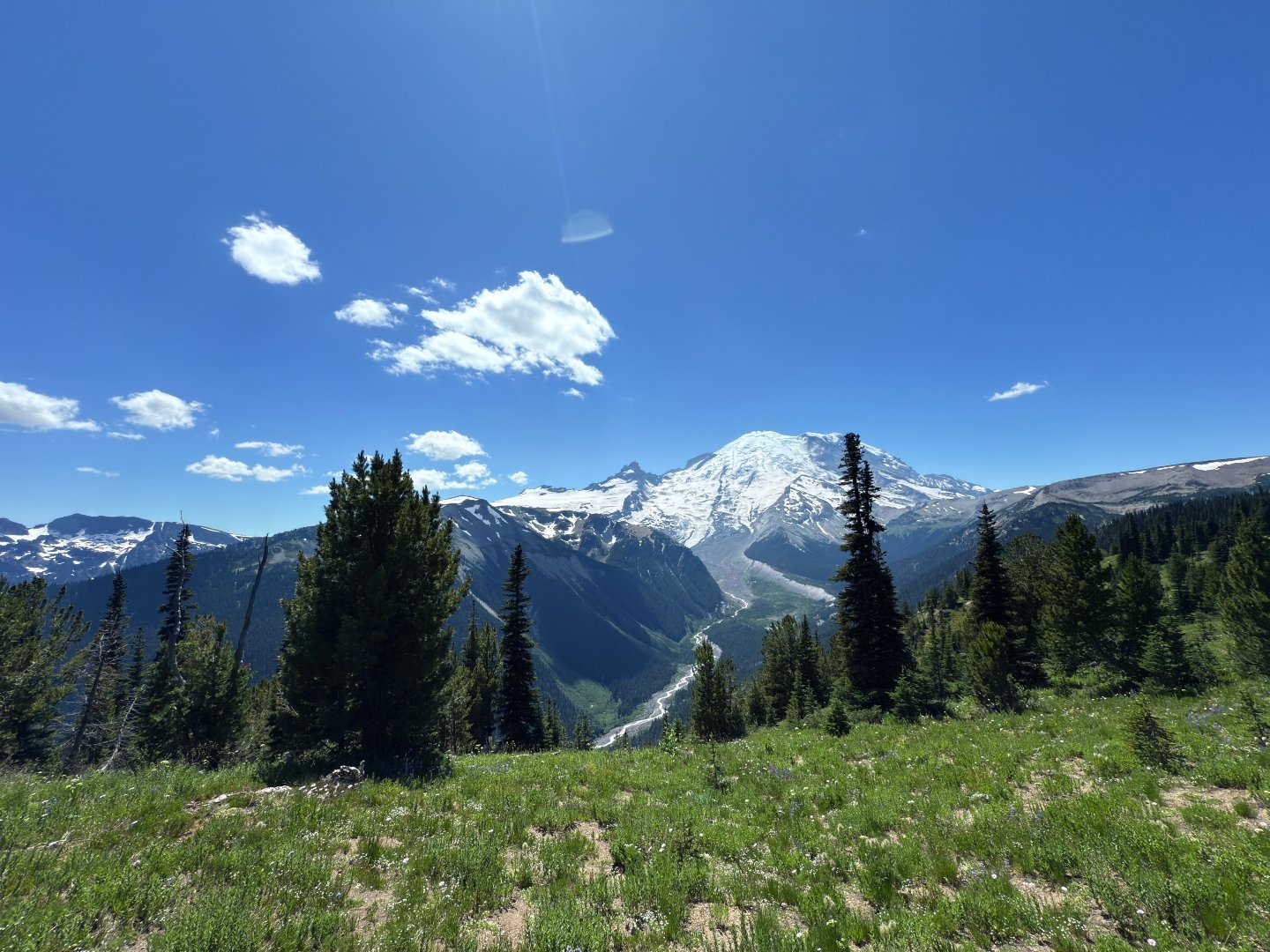
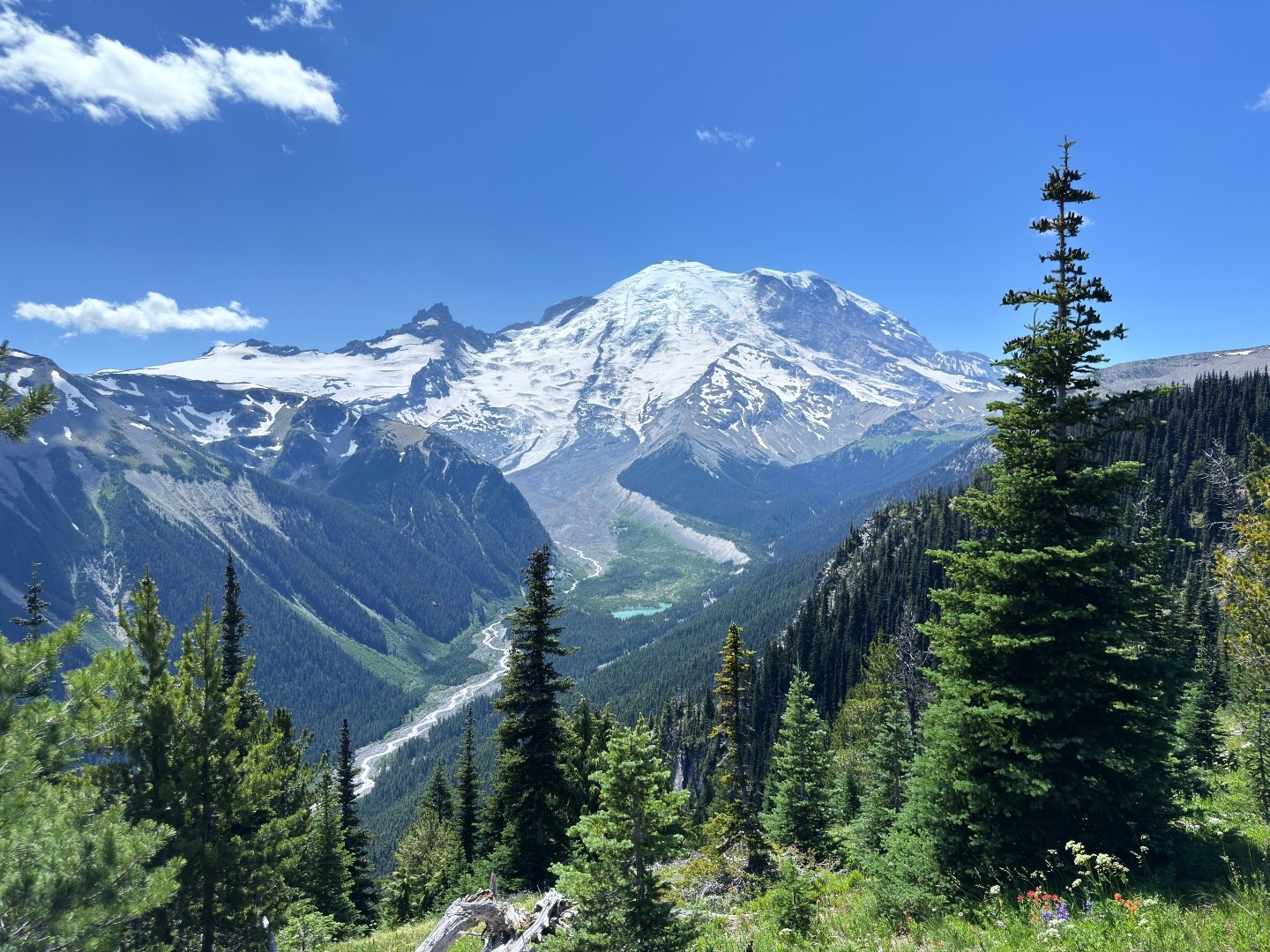
Mount Rainier National Park
Mount Rainier, WA
Green Lake
Seattle, WA
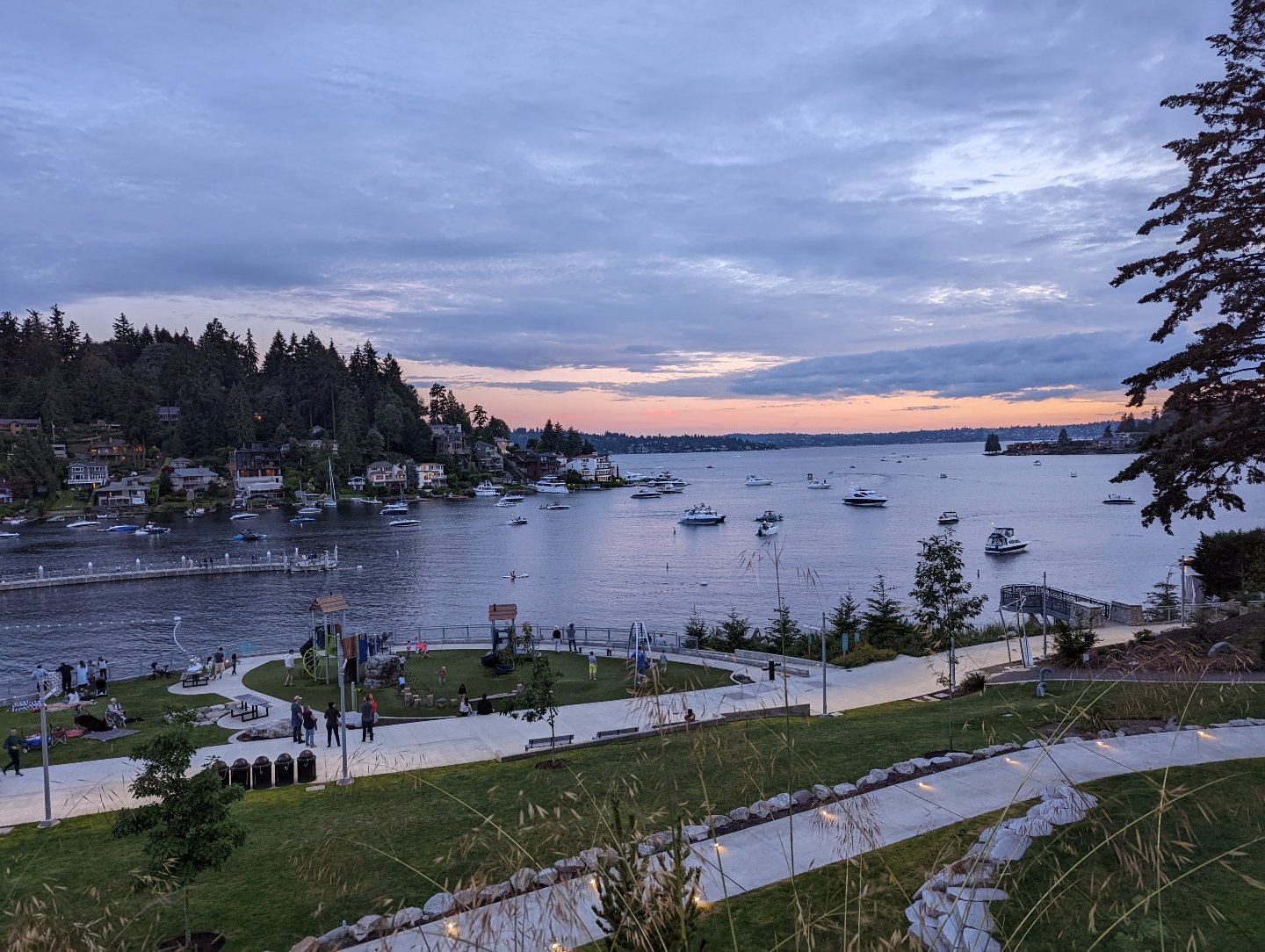
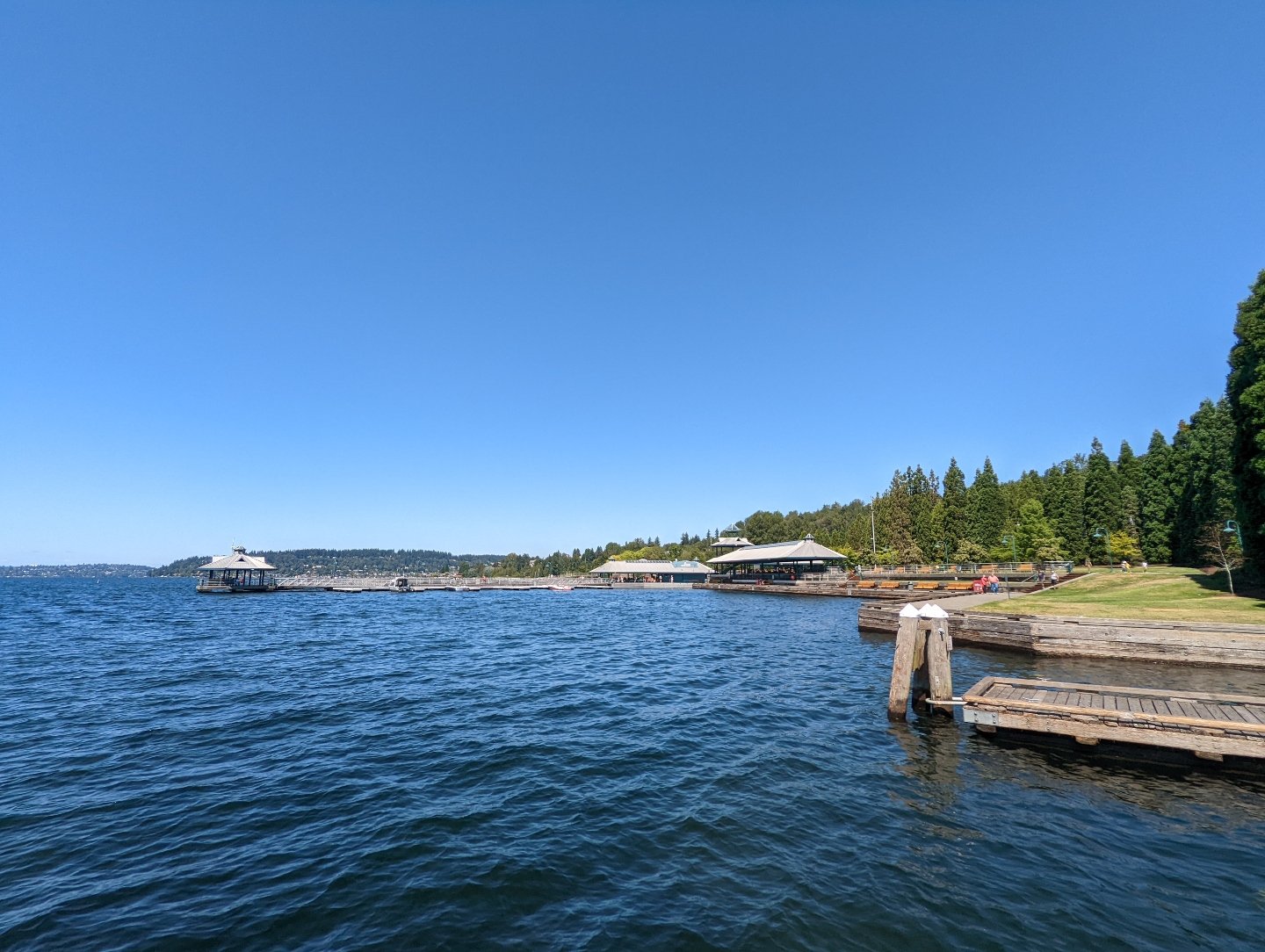
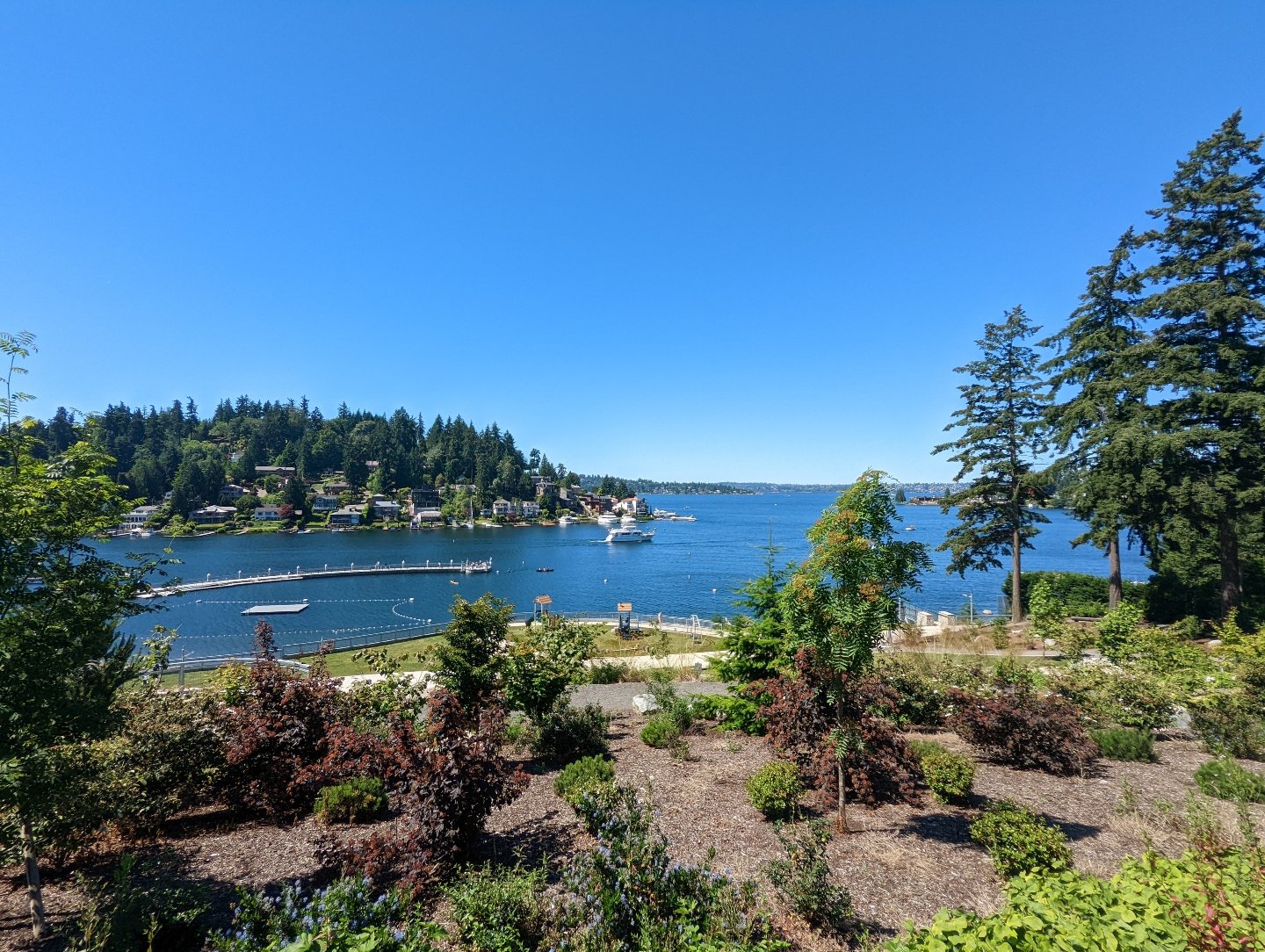
Meydenbauer Bay Park
Bellevue, WA
Gene Coulon Memorial Beach Park
Renton, WA
Mill Creek Town Center
Mill Creek, WA
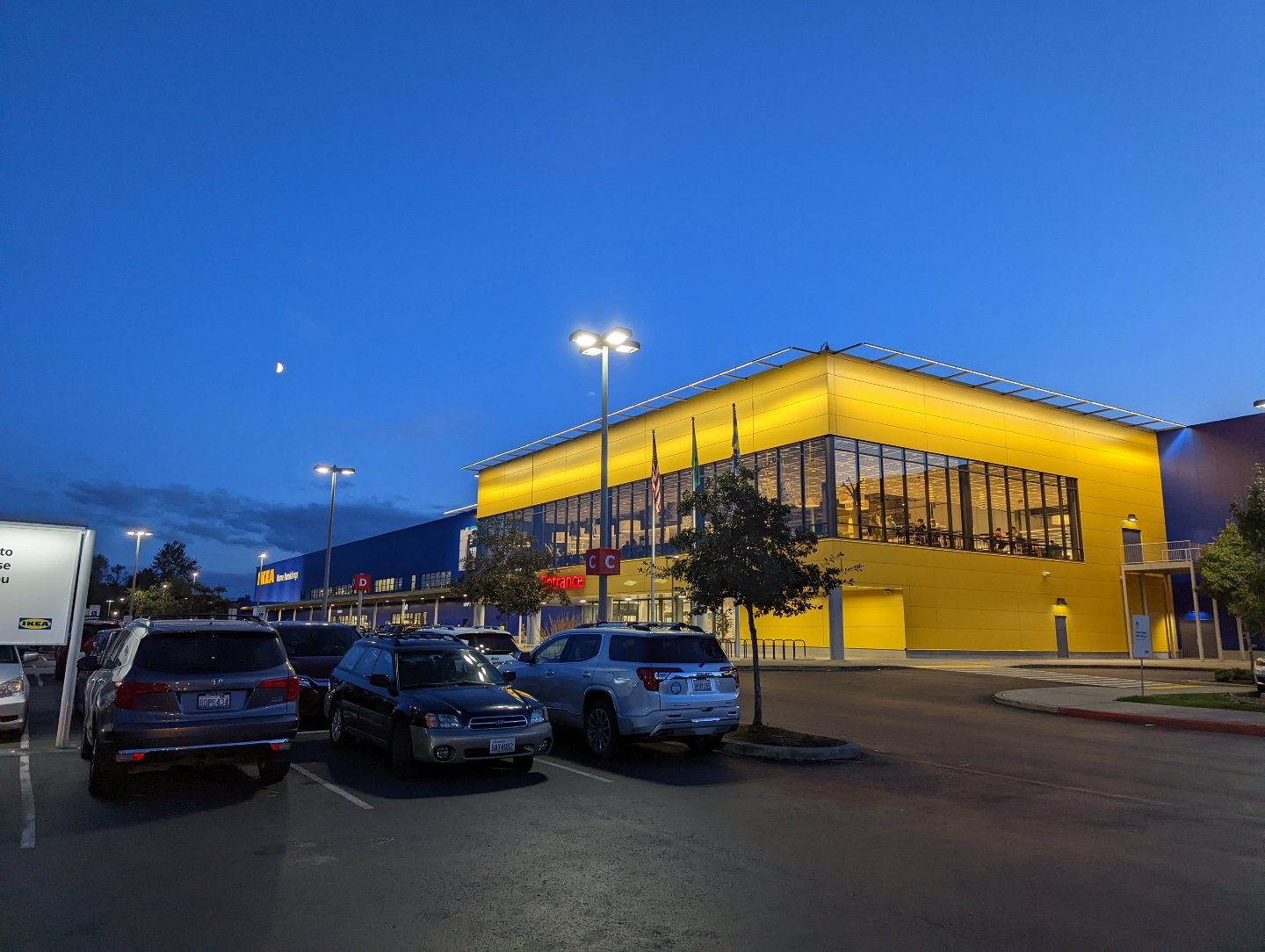
IKEA Renton
Renton, WA
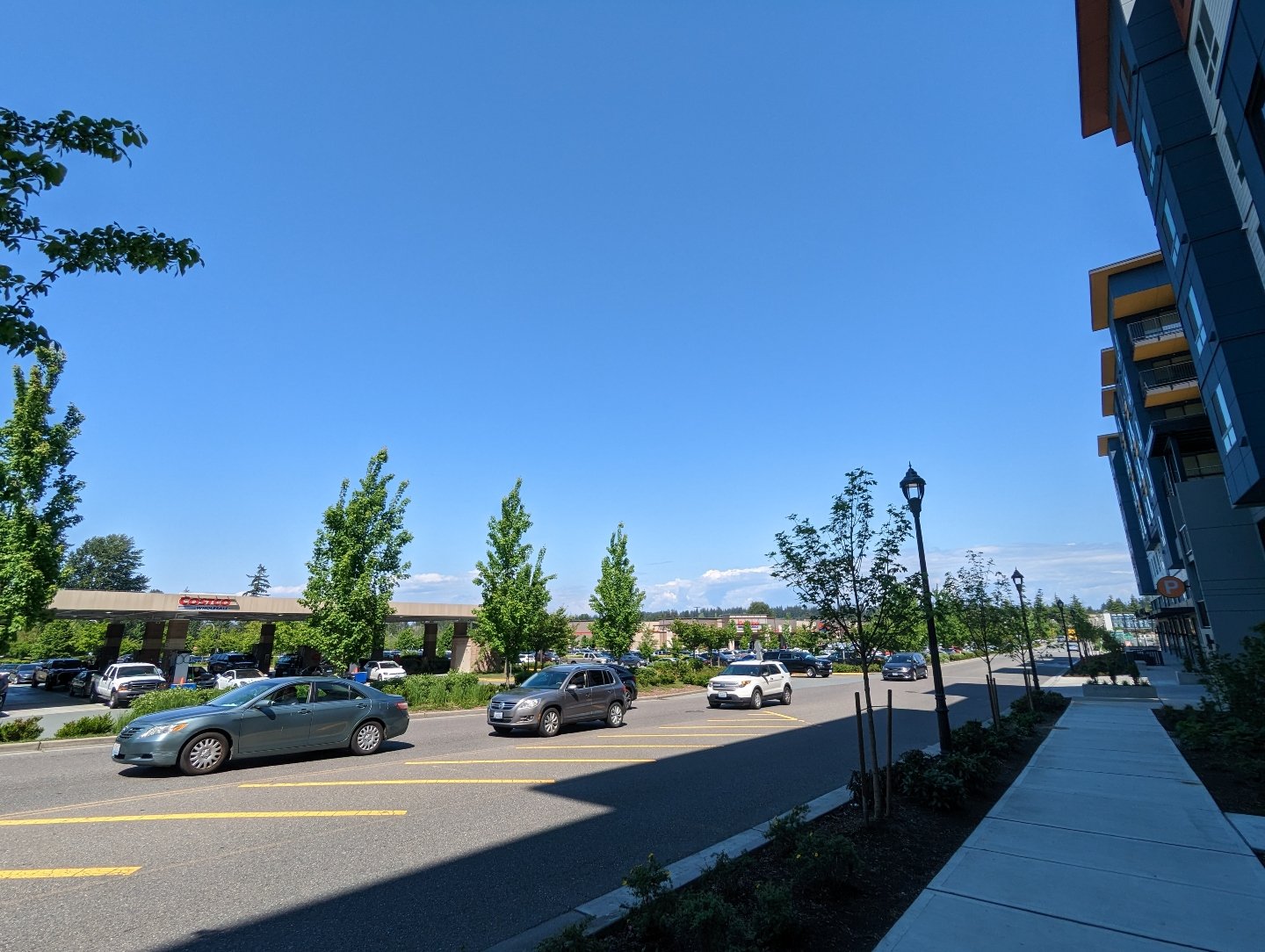
Costco Alderwood
Lynnwood, WA
Lynnwood Convention Center
Lynnwood, WA
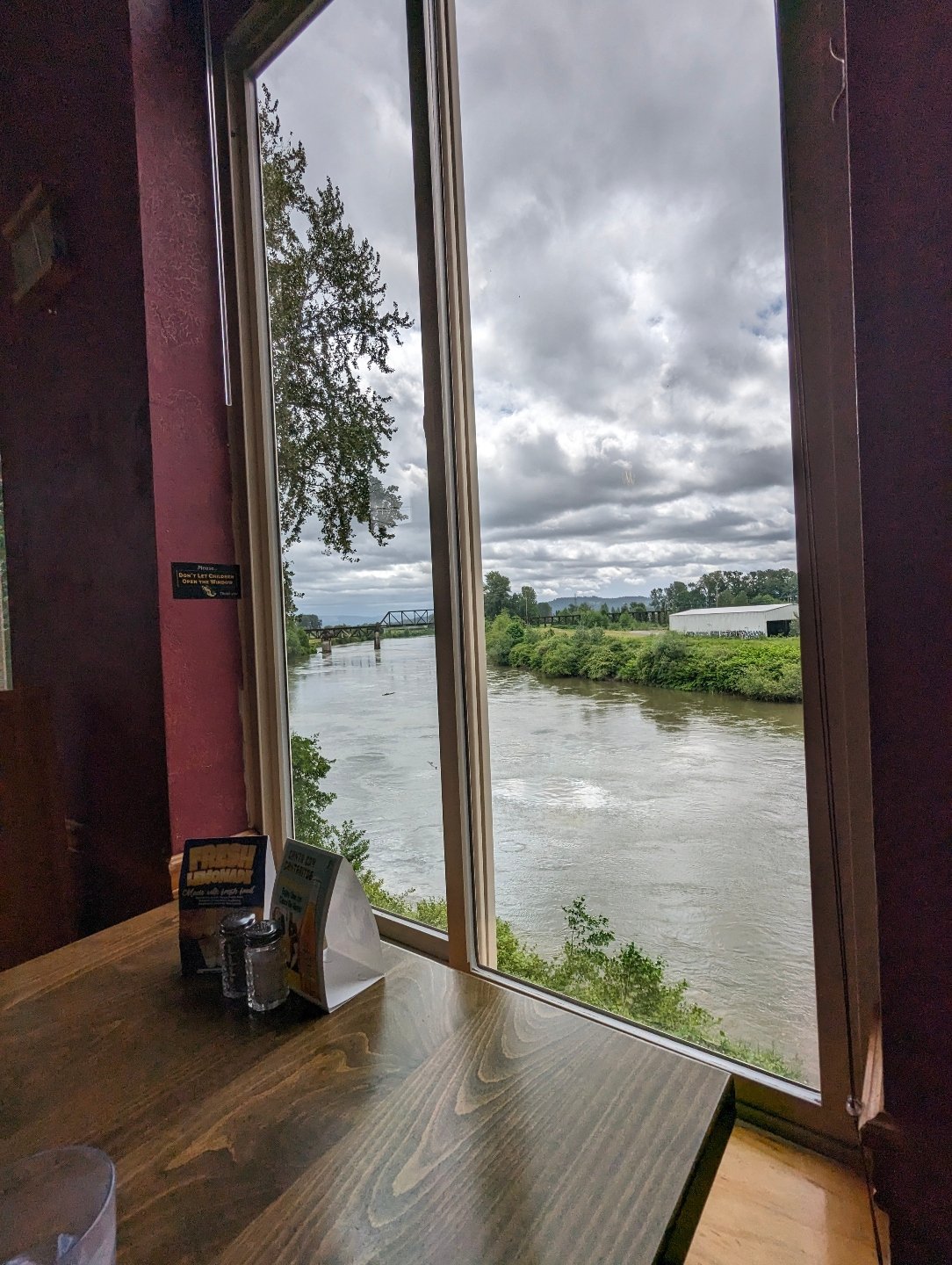
Snohomish River
Snohomish, WA
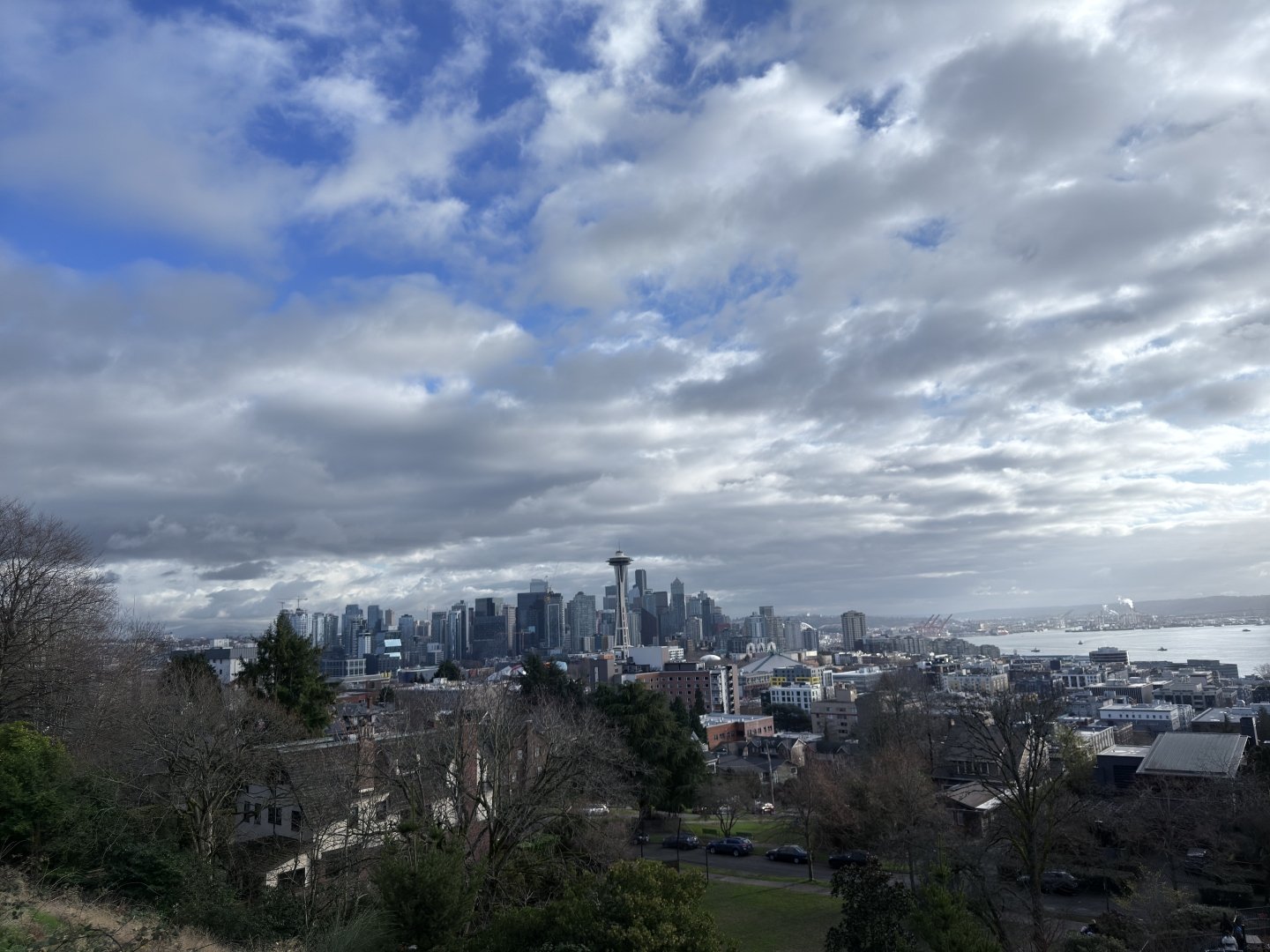
Kerry Park
Seattle, WA
Renton Southport
Renton, WA
Train Track in Edmonds
Edmonds, WA
Mill Creek Town Center
Mill Creek, WA
Everett Marina
Everett, WA
Lake Sammamish State Park
Issaquah, WA
Edmonds Bowl
Edmonds, WA
Downtown Everett
Everett, WA
Lake Tapps
Lake Tapps, WA
Bellevue Downtown Park
Bellevue, WA
West Valley Highway
Kent, WA
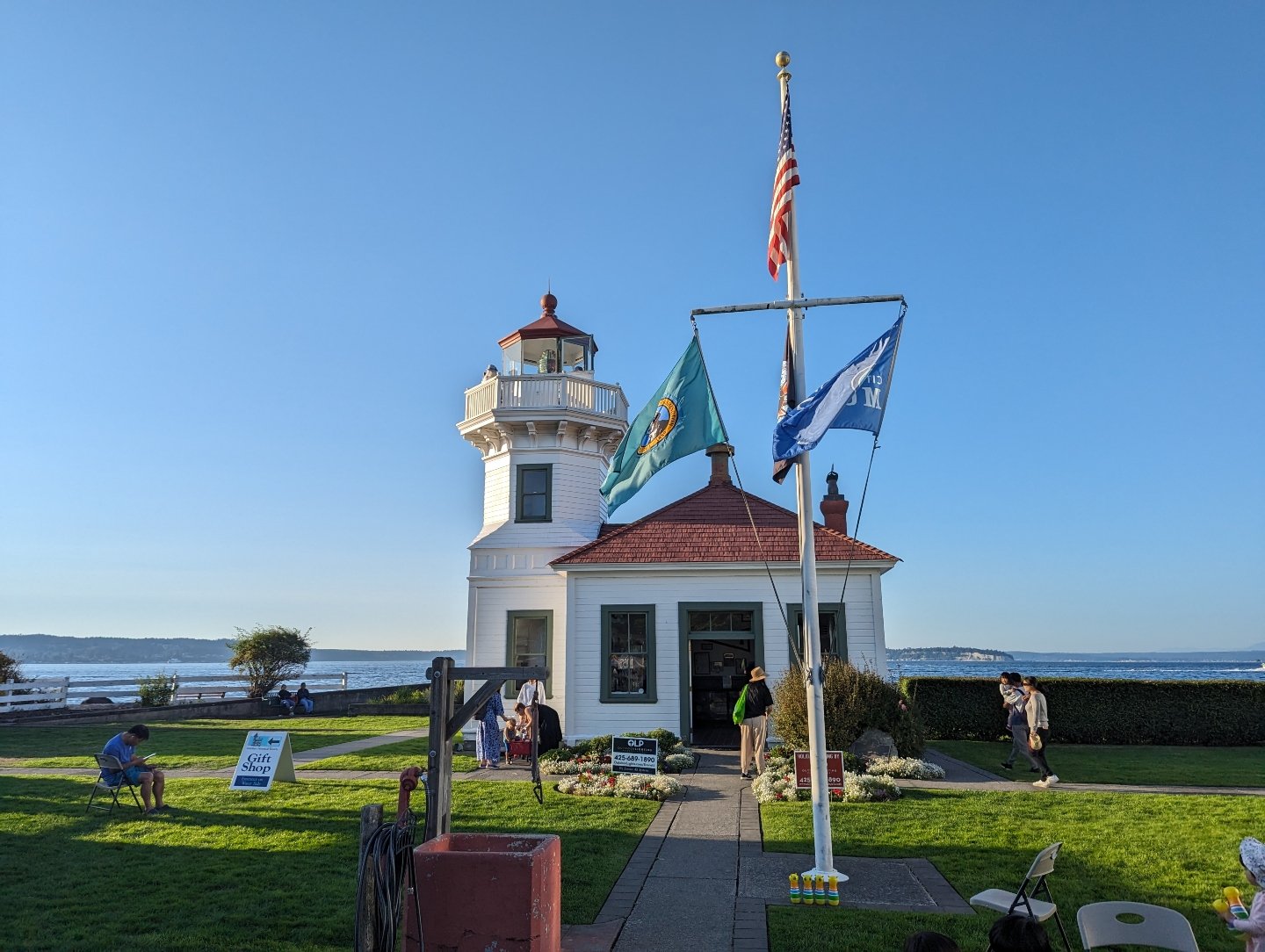
Lighthouse Park
Mukilteo, WA
Weyerhauser Aquatic Center
Federal Way, WA
Bellevue Square
Bellevue, WA
Sunrise Park
South Hill, WA
Mount Rainier National Park
Mount Rainier, WA
WA State Fair
Puyallup, WA
Boeing Renton Factory
Renton, WA
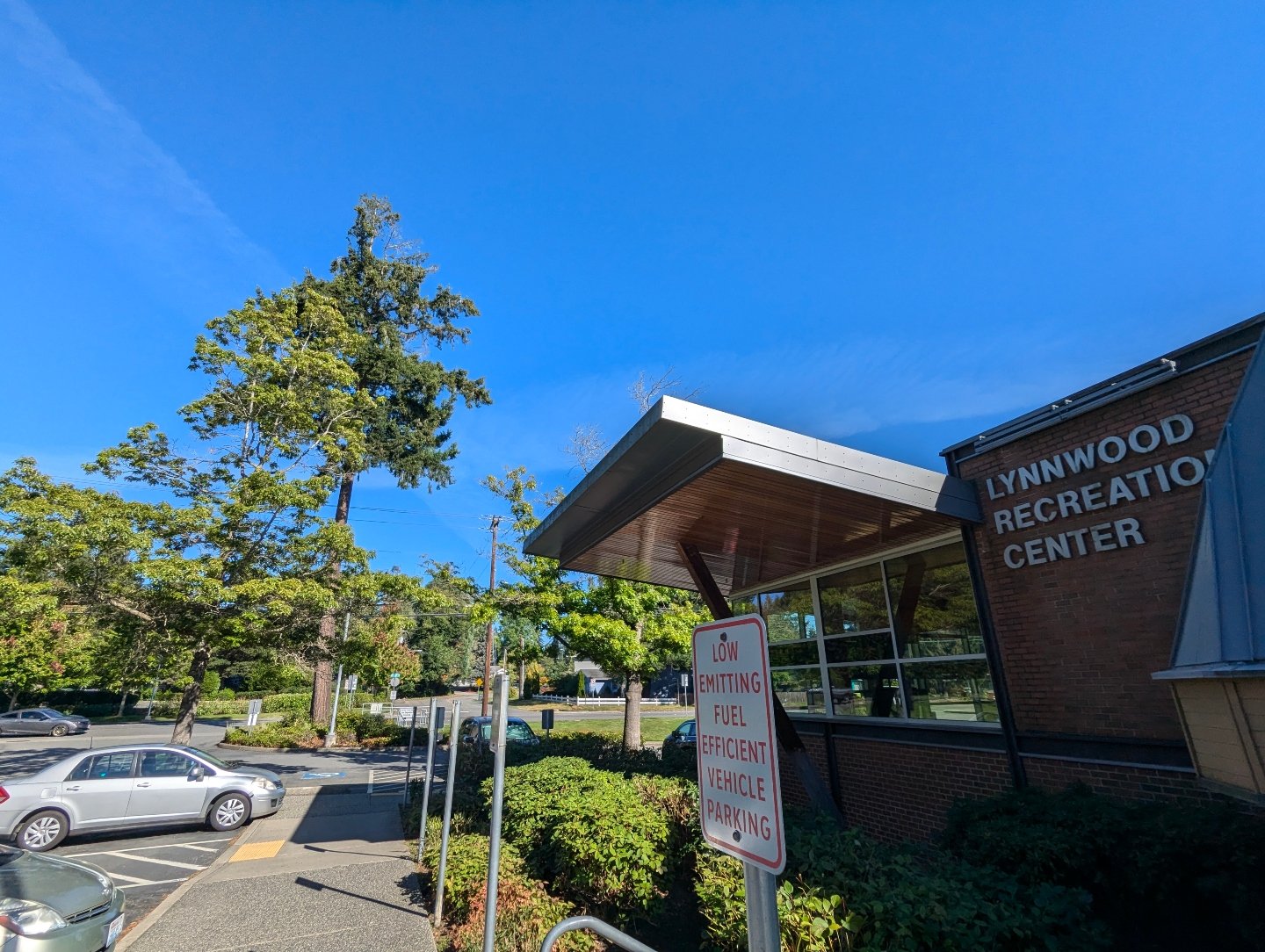
Lynnwood Recreation Center
Lynnwood, WA
Point Ruston
Tacoma, WA
Pioneer Park
Puyallup, WA
Lincoln Park
West Seattle, WA
Everett Waterfront
Everett, WA
Theatre District
Tacoma, WA
Sunrise
Puyallup, WA
Meydenbauer Bay Park
Bellevue, WA
MOHAI Seattle
Seattle, WA
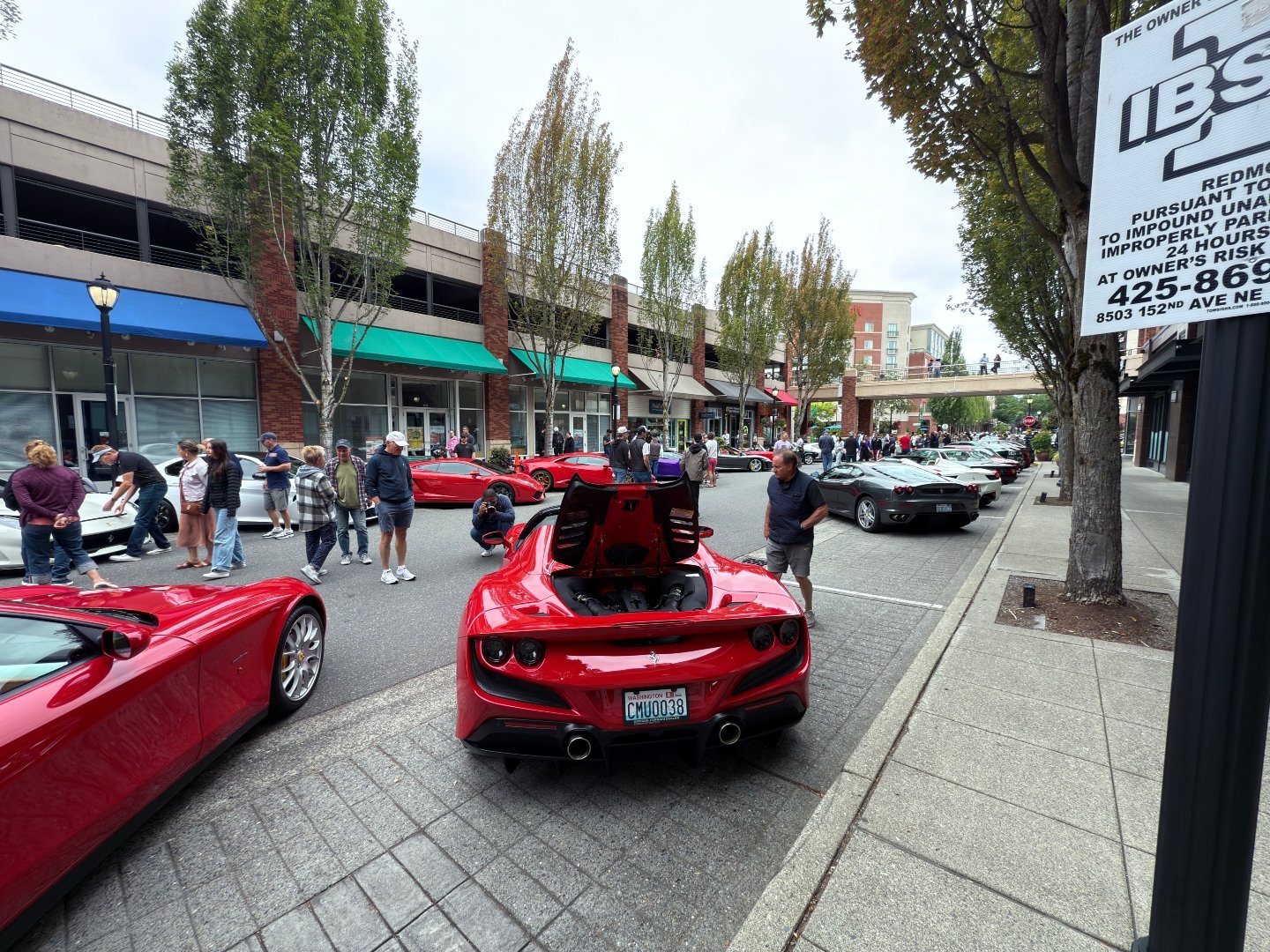
Redmond Town Center
Redmond, WA
Kent Valley
Kent, WA
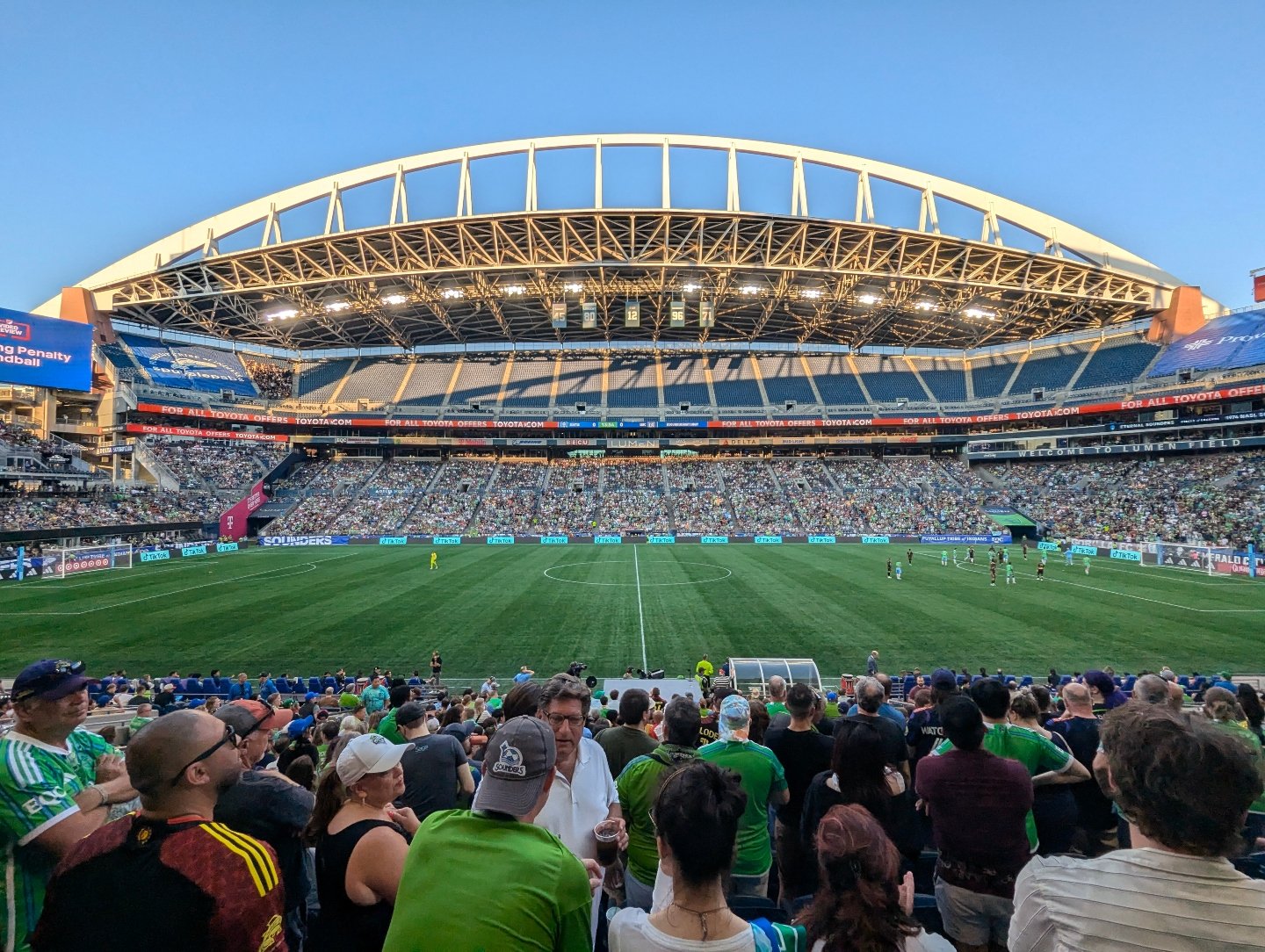
Lumen Field
Seattle, WA
Ballard Locks
Seattle, WA
Alderwood Mall
Lynnwood, WA
Kirkland Homeport Marina
Kirkland, WA
Sunrise
Puyallup, WA
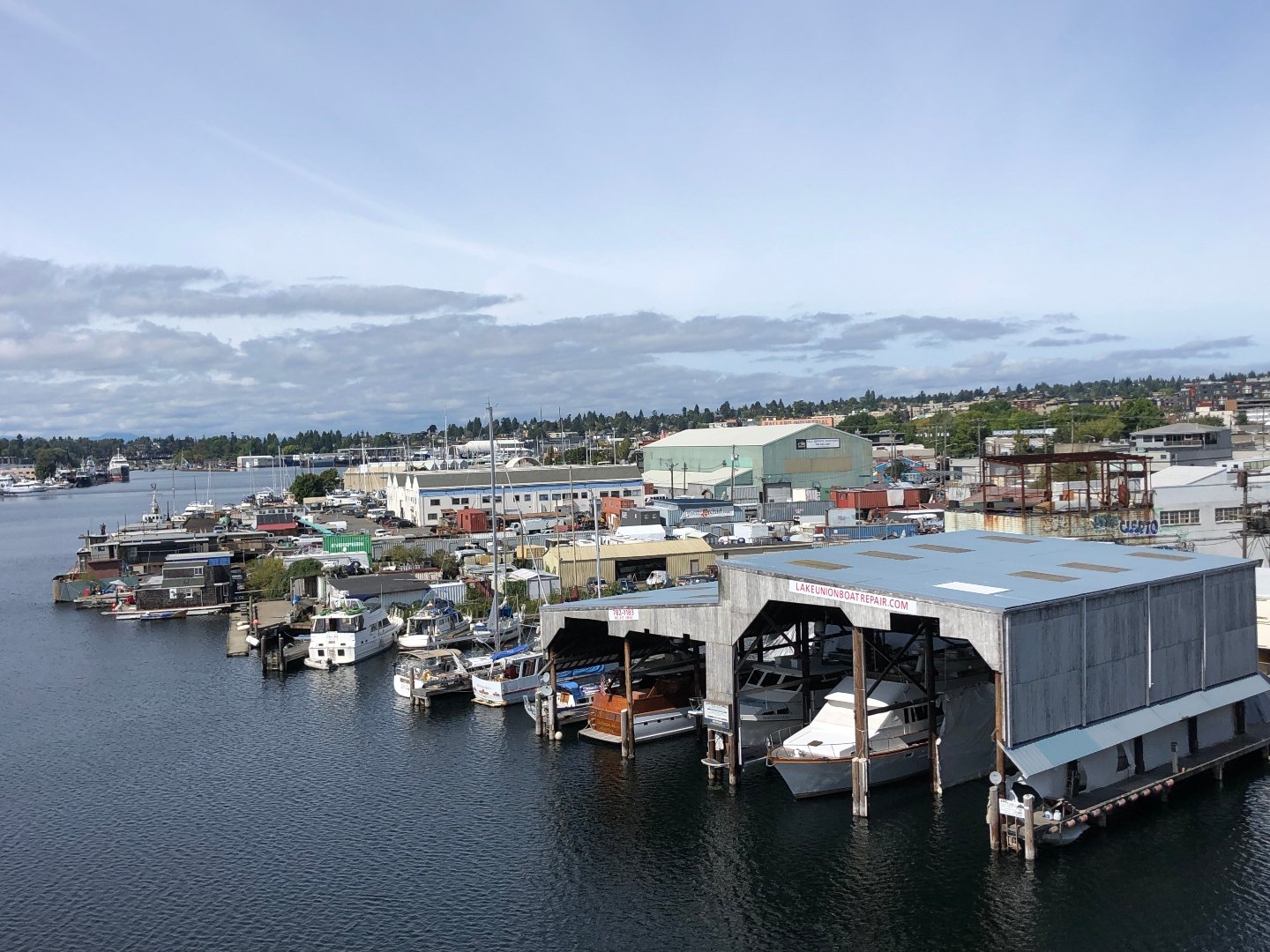
South Lake Union
Seattle, WA
Author: Jake Ni
|
Published: Mar 30, 2026
|
Updated: Apr 16, 2026
Answer:
Yes, there is a very important reason images should be a certain size, and that reason is speed. Images that are too large take longer to load, and that slows down the website. When a website loads too slowly, visitors get impatient. Everyone has had the experience of waiting on a page for too long and then simply backing out before it finishes loading.
That same thing happens to potential customers. If your website takes too long to load because the images are too heavy, people may leave before they even see your content. Research and real-world behavior both show that once loading time gets too high, user experience drops and the likelihood of losing the visitor goes up.
So image sizing is really about optimization. The goal is to keep the image quality strong enough to look professional, but not so large that it harms page speed. That balance matters because a good website has to do two things at the same time: look good and load fast.
In that sense, image size is not just a technical detail. It directly affects user experience, bounce rate, and conversion potential.
Summary:
The answer explains that image sizing matters primarily because oversized images slow down the website. Slow websites create frustration, and frustrated users often leave before taking any action. The speaker makes the connection between image optimization and business performance very clear: if images are too large, the website may look good visually but fail functionally because users do not wait around for it to load. The ideal approach is to keep images visually strong while reducing unnecessary file weight. This protects speed without sacrificing design quality. The broader takeaway is that image sizing is not just a design preference or developer concern—it plays a direct role in user experience, visitor retention, and the site’s ability to convert traffic into leads.
About the Author
Jake Ni
Account Executive at 1 Stop Link
Jake believes that small businesses are the backbone of America.
They deserve to benefit from the latest technology that fail to trickle down from "big tech".
With expert local knowledge and over 7 years of industry experience, he's ready to help you build a top tier web presence!
Book a video consultation with Jake:
More Articles Like This
We Have The Proof: Top Rated Digital Marketing Agency in WA
1 Stop Link is 5 star rated on Google. Read words of appreciation from our clients.
No Stock Images, Just Real People and Real Testimonials
Watch our clients share their success stories in their own words.