Question: How many pages should a small business website have?
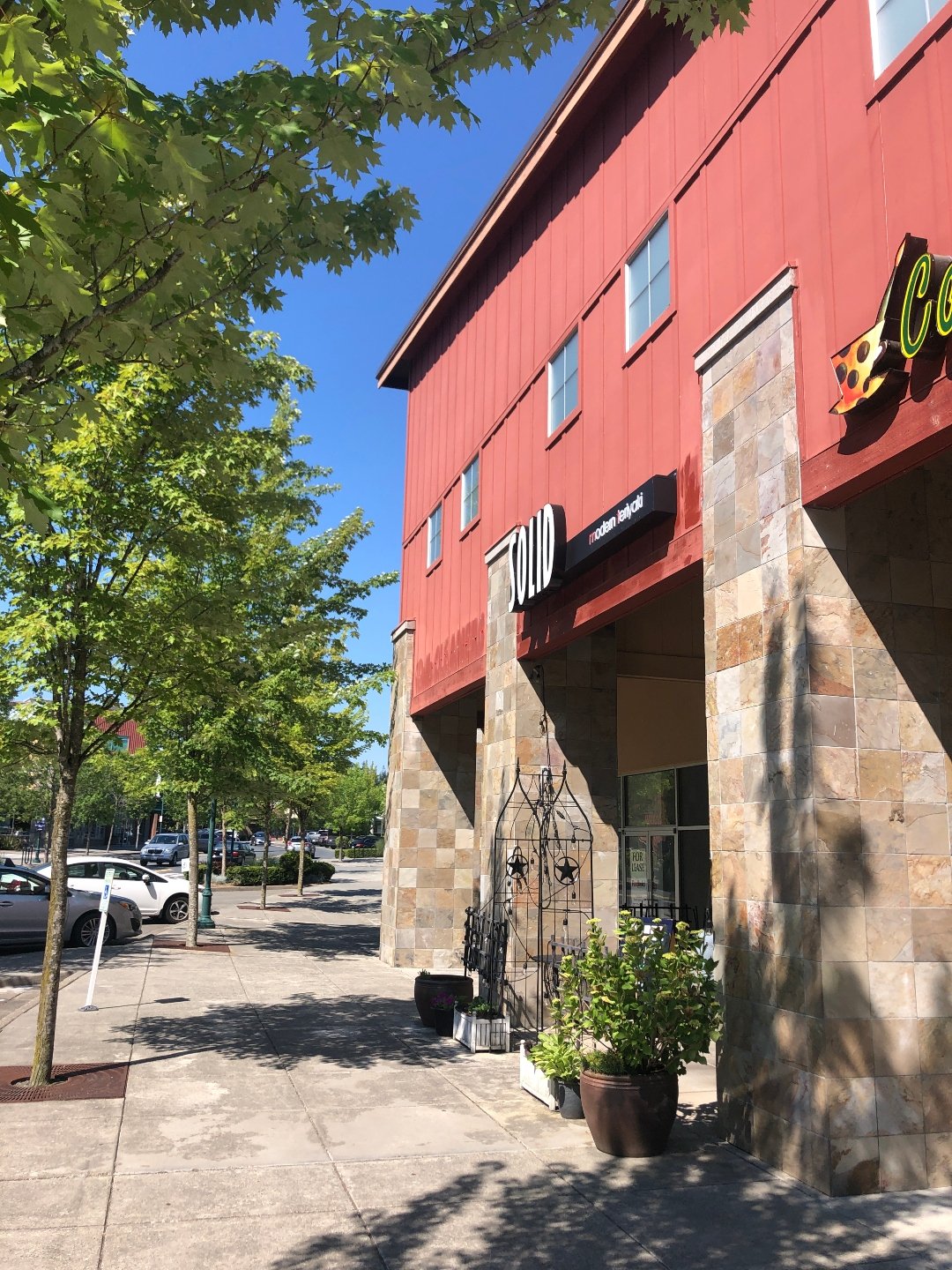
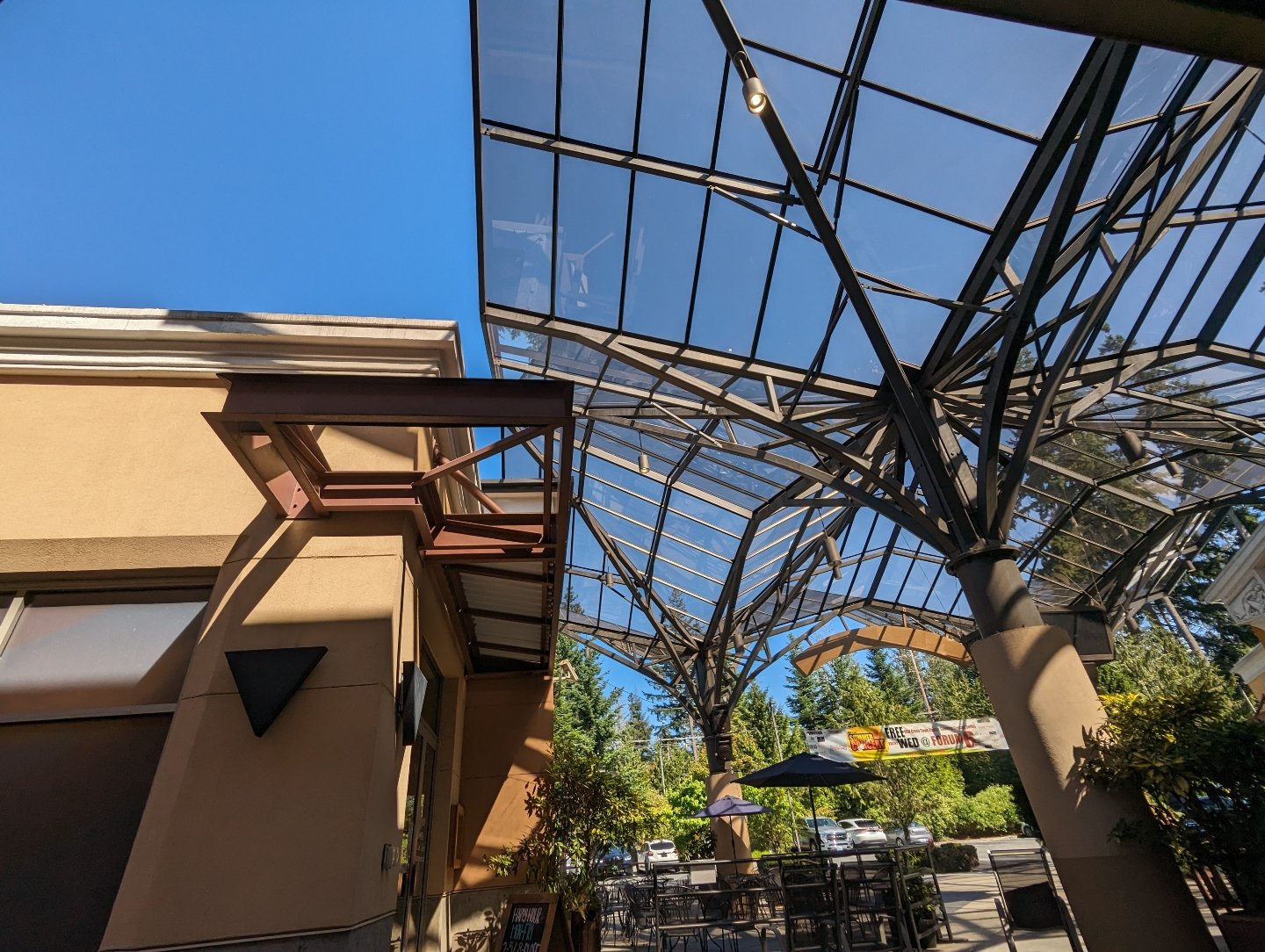
Mill Creek Town Center
Mill Creek, WA
WA State Fair
Puyallup, WA
Bellevue Downtown Park
Bellevue, WA
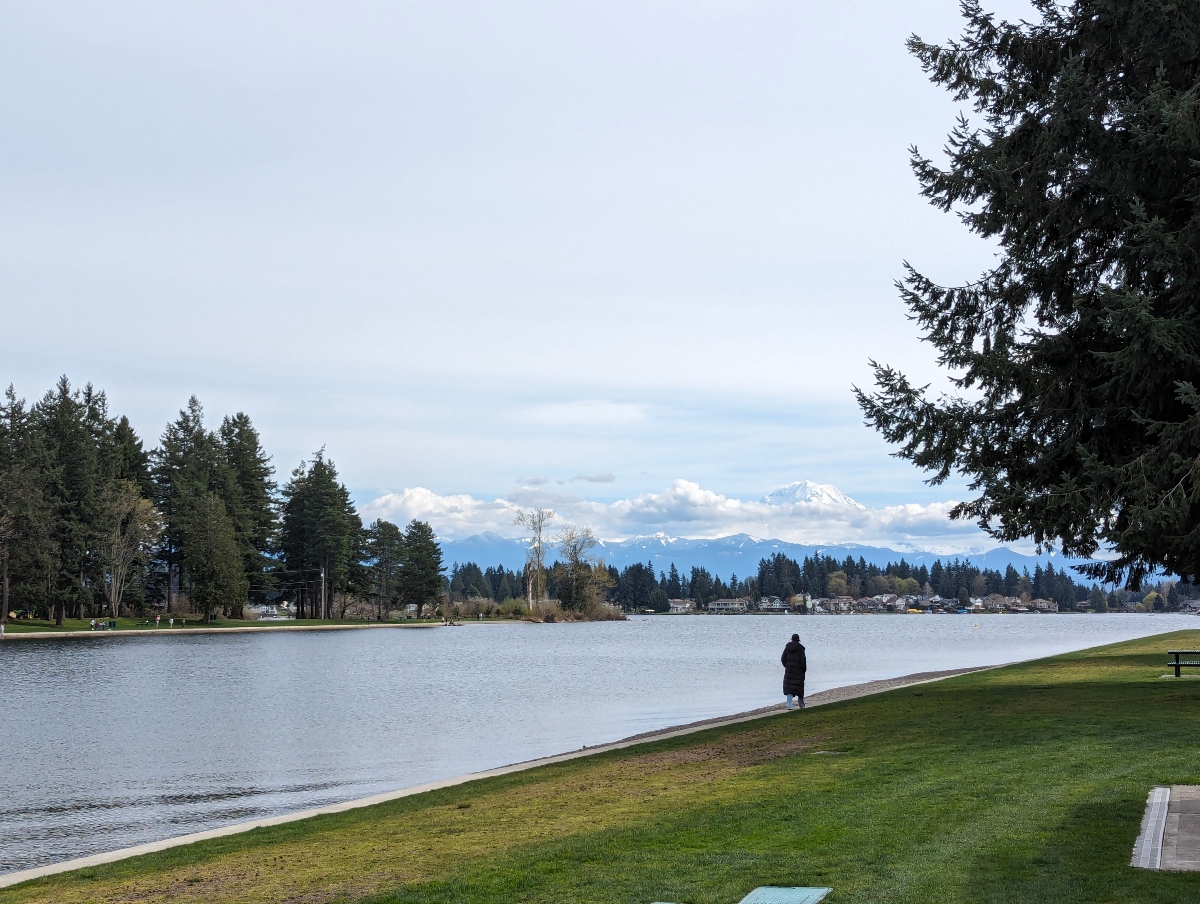
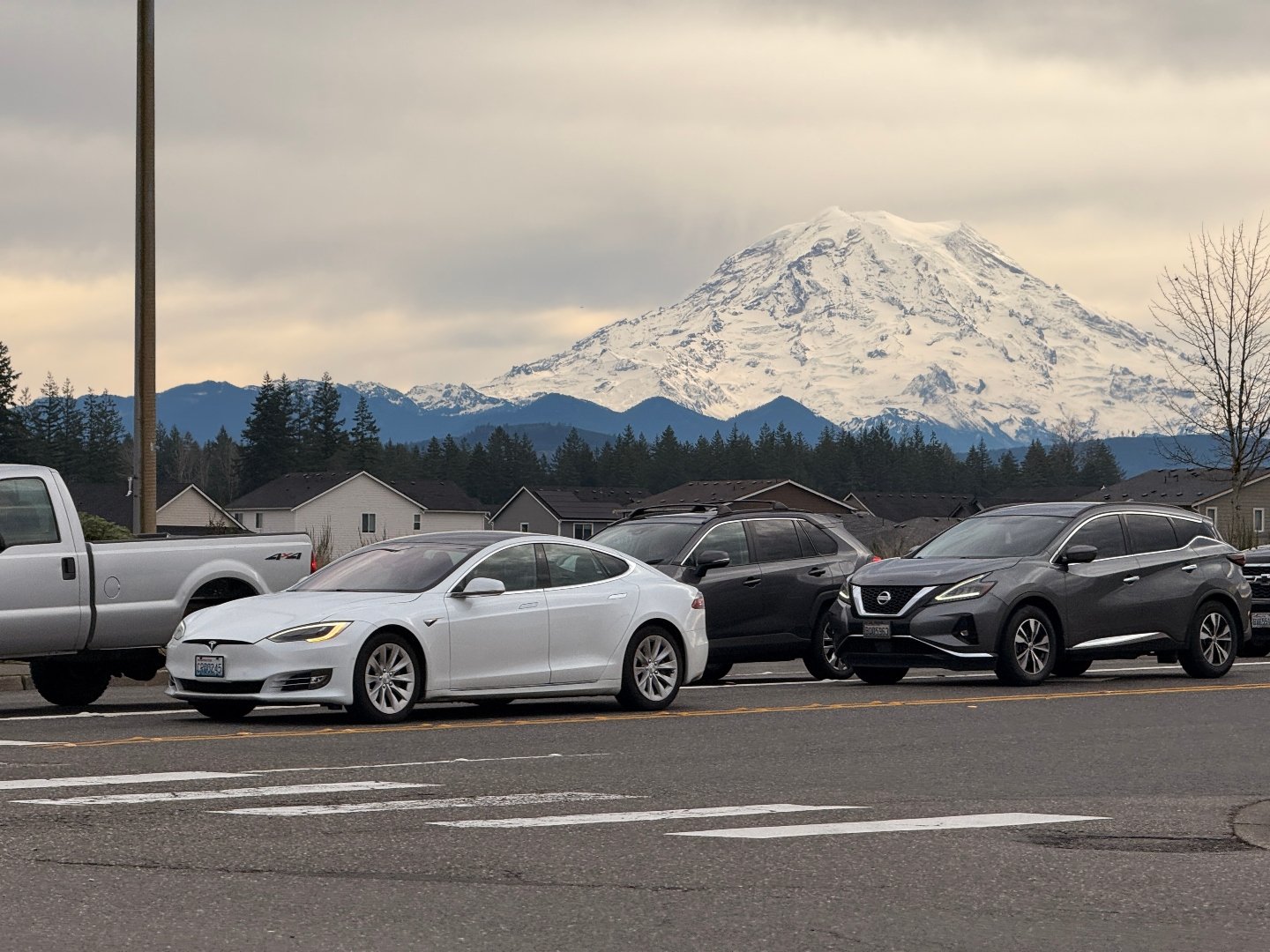
Mount Rainier National Park
Mount Rainier, WA
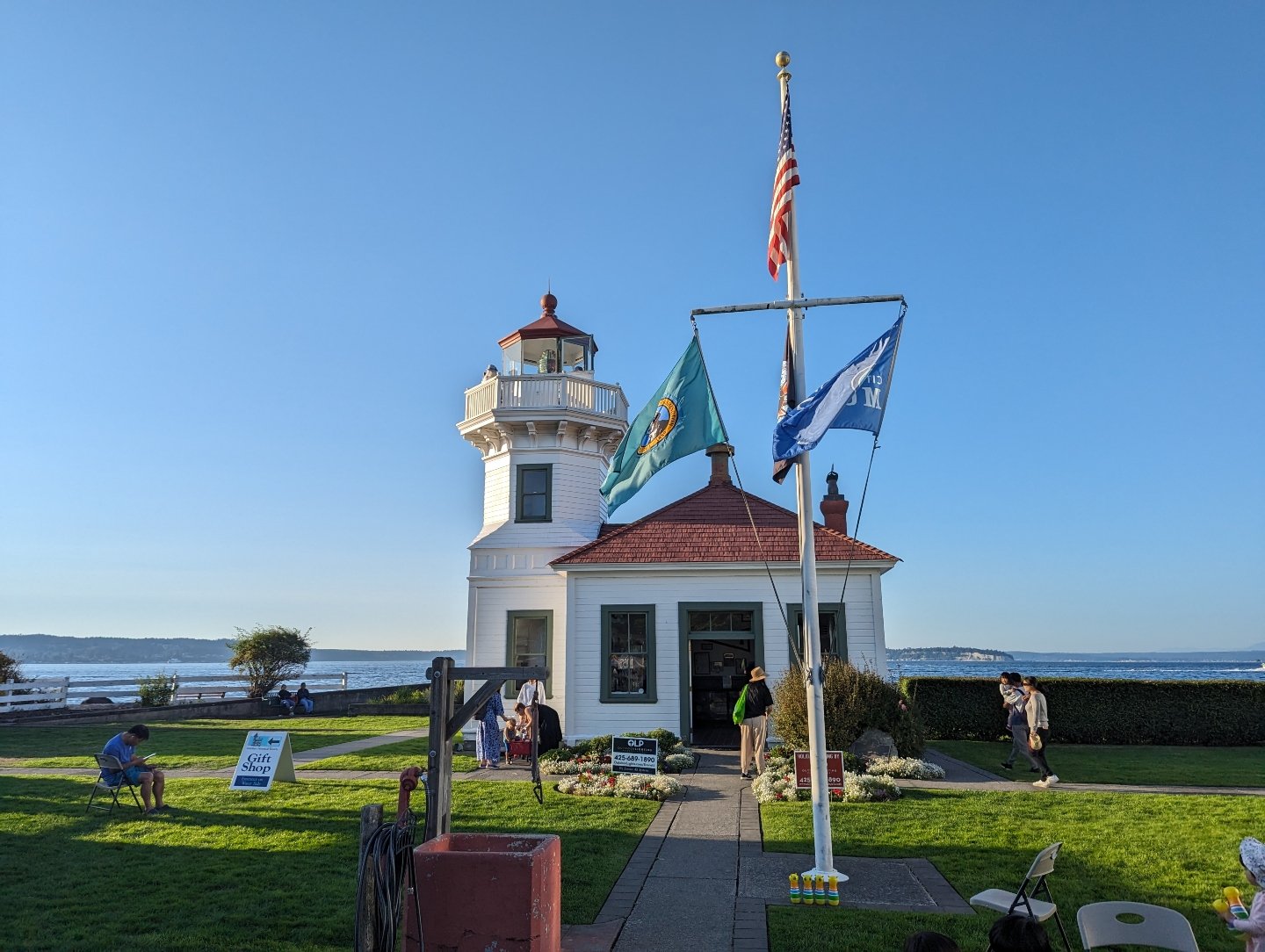
Lighthouse Park
Mukilteo, WA
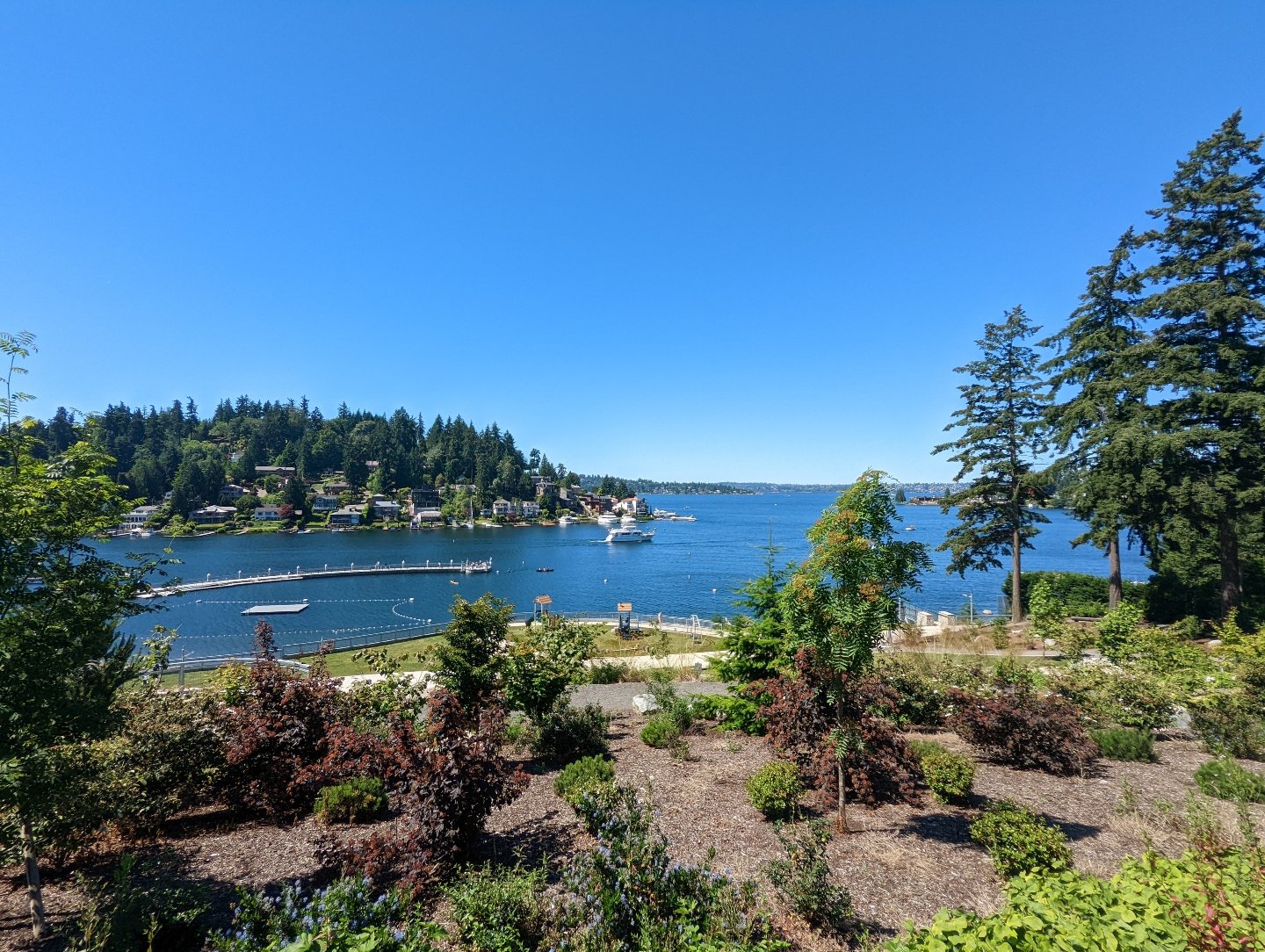
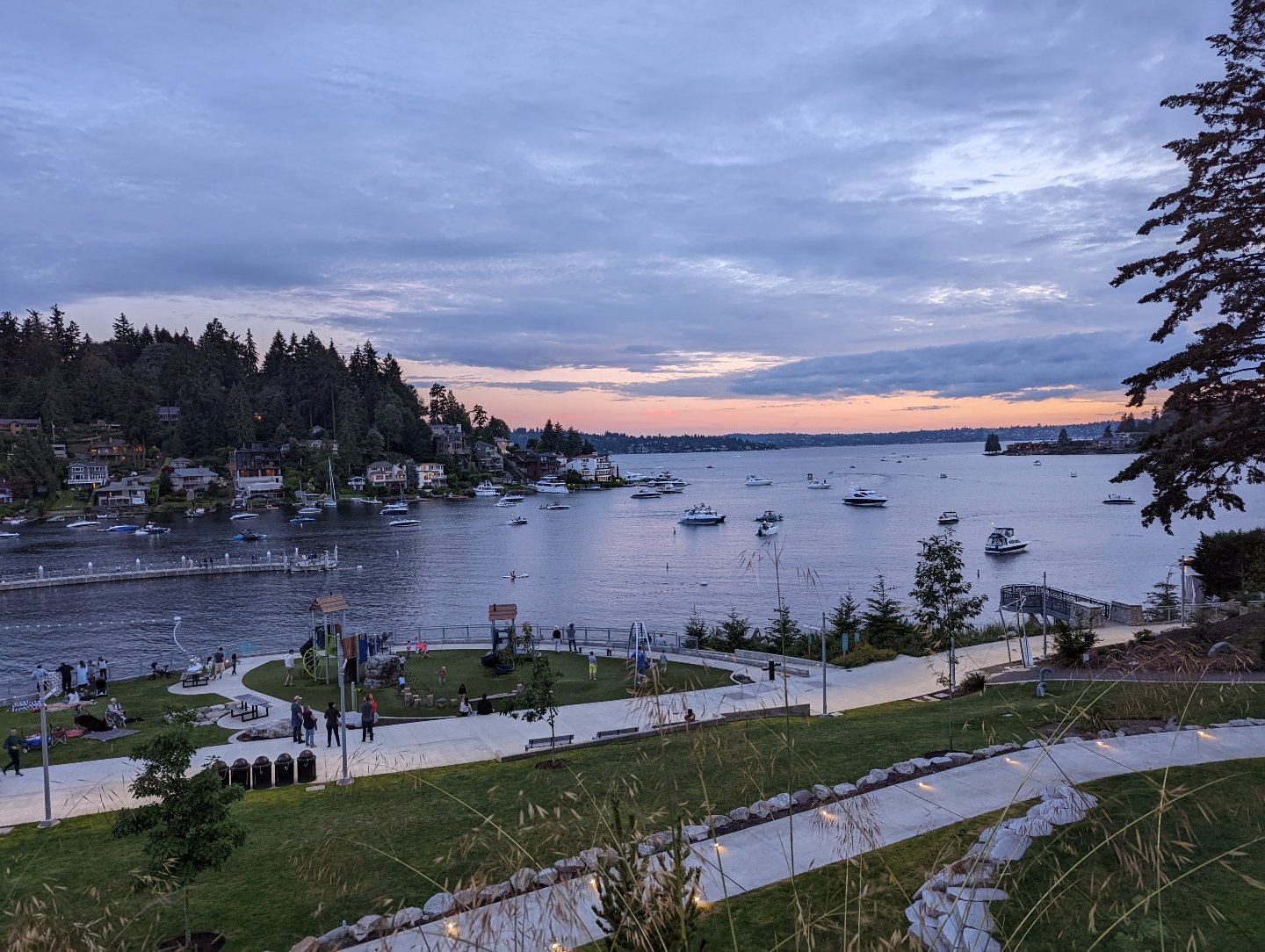
Meydenbauer Bay Park
Bellevue, WA
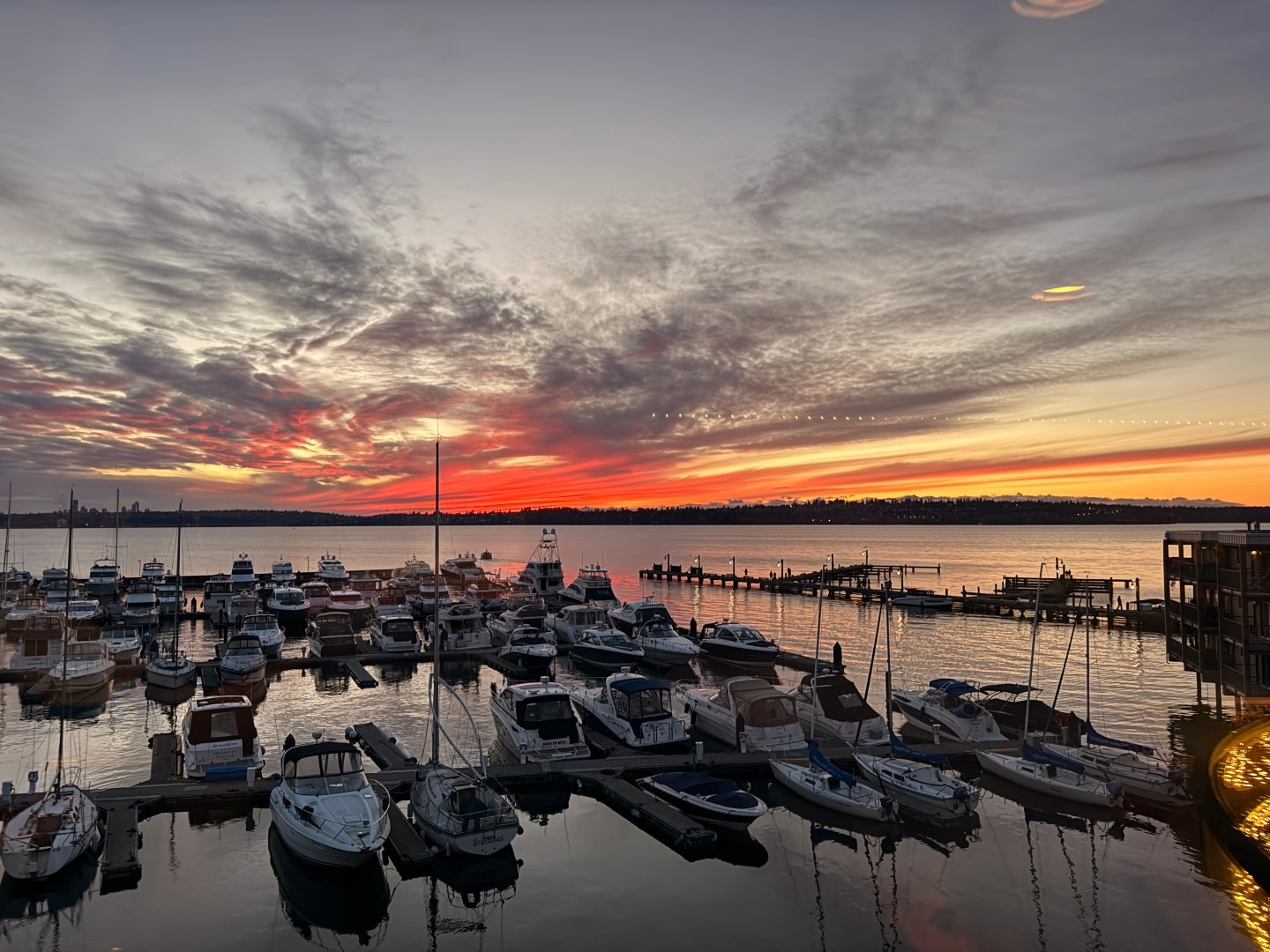
Kirkland Homeport Marina
Kirkland, WA
Sunrise
Puyallup, WA
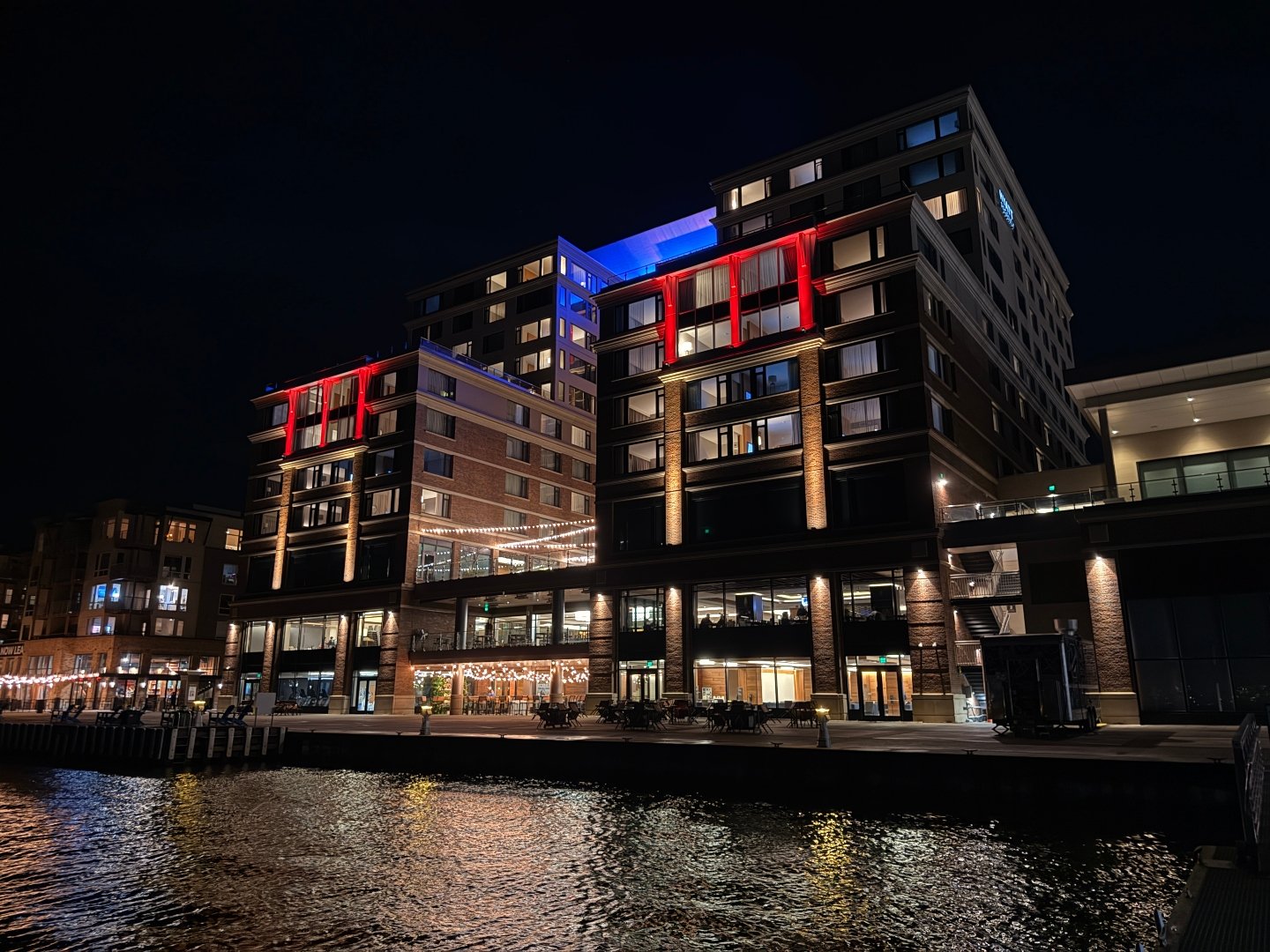
Everett Waterfront
Everett, WA
Mount Rainier National Park
Mount Rainier, WA
Downtown Everett
Everett, WA
Pioneer Park
Puyallup, WA
Mill Creek Town Center
Mill Creek, WA
Theatre District
Tacoma, WA
Gene Coulon Memorial Beach Park
Renton, WA
Kent Valley
Kent, WA
Costco Alderwood
Lynnwood, WA
Lynnwood Convention Center
Lynnwood, WA
Lake Tapps
Lake Tapps, WA
Redmond Town Center
Redmond, WA
Edmonds Bowl
Edmonds, WA
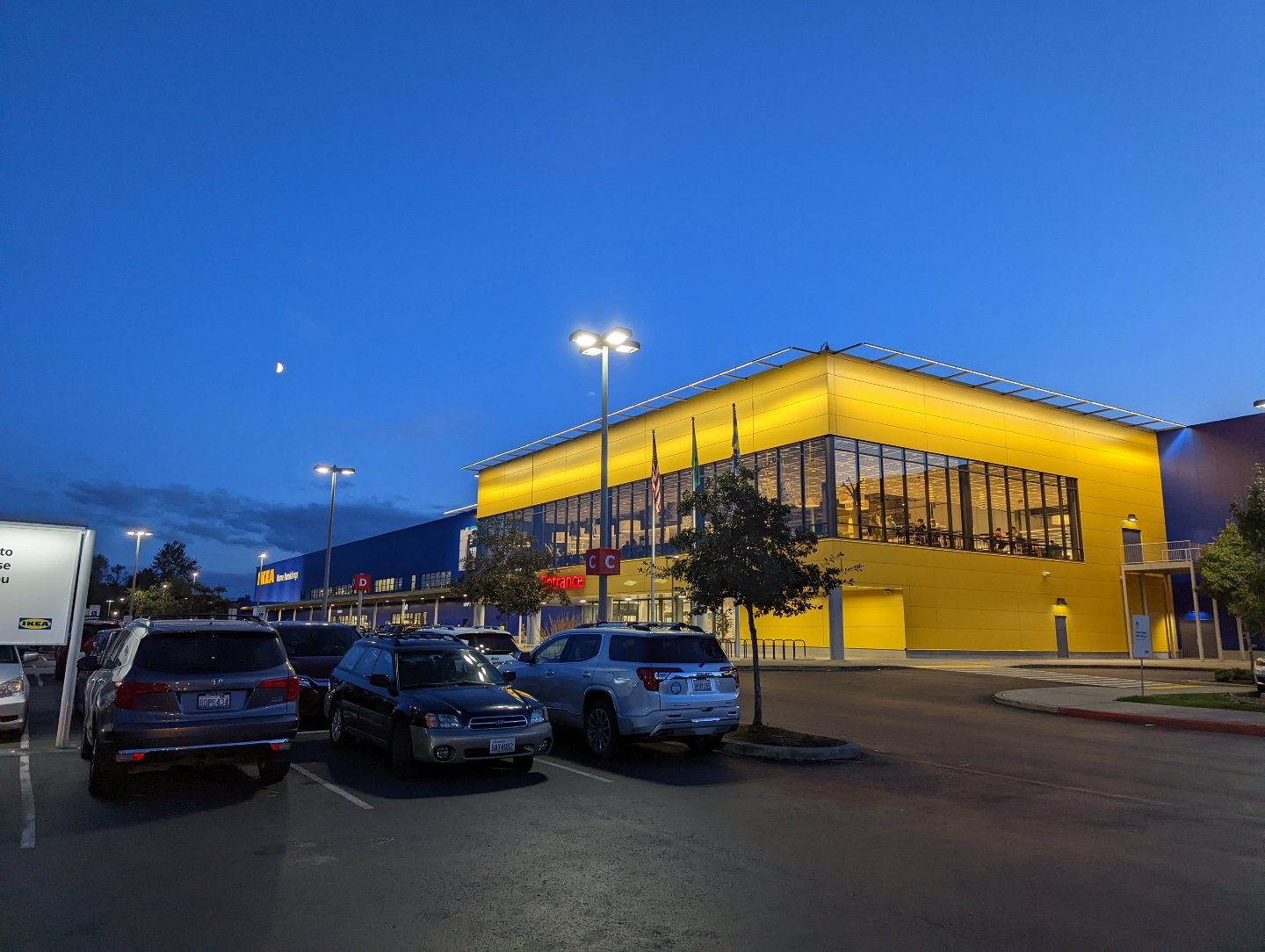
IKEA Renton
Renton, WA
Ballard Locks
Seattle, WA
Bellevue Square
Bellevue, WA
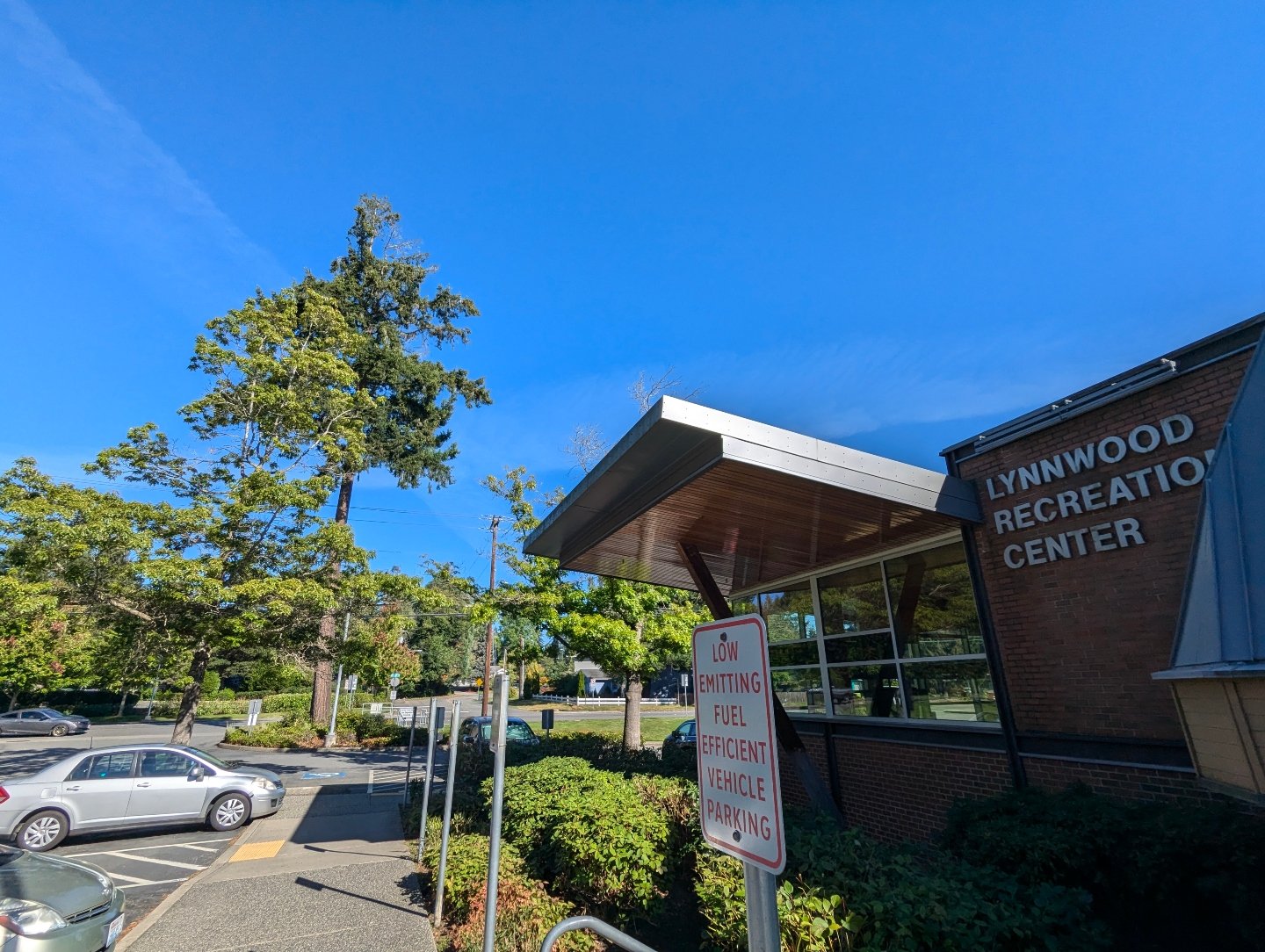
Lynnwood Recreation Center
Lynnwood, WA
Everett Marina
Everett, WA
Sunrise
Puyallup, WA
Boeing Renton Factory
Renton, WA
Lincoln Park
West Seattle, WA
Lake Sammamish State Park
Issaquah, WA
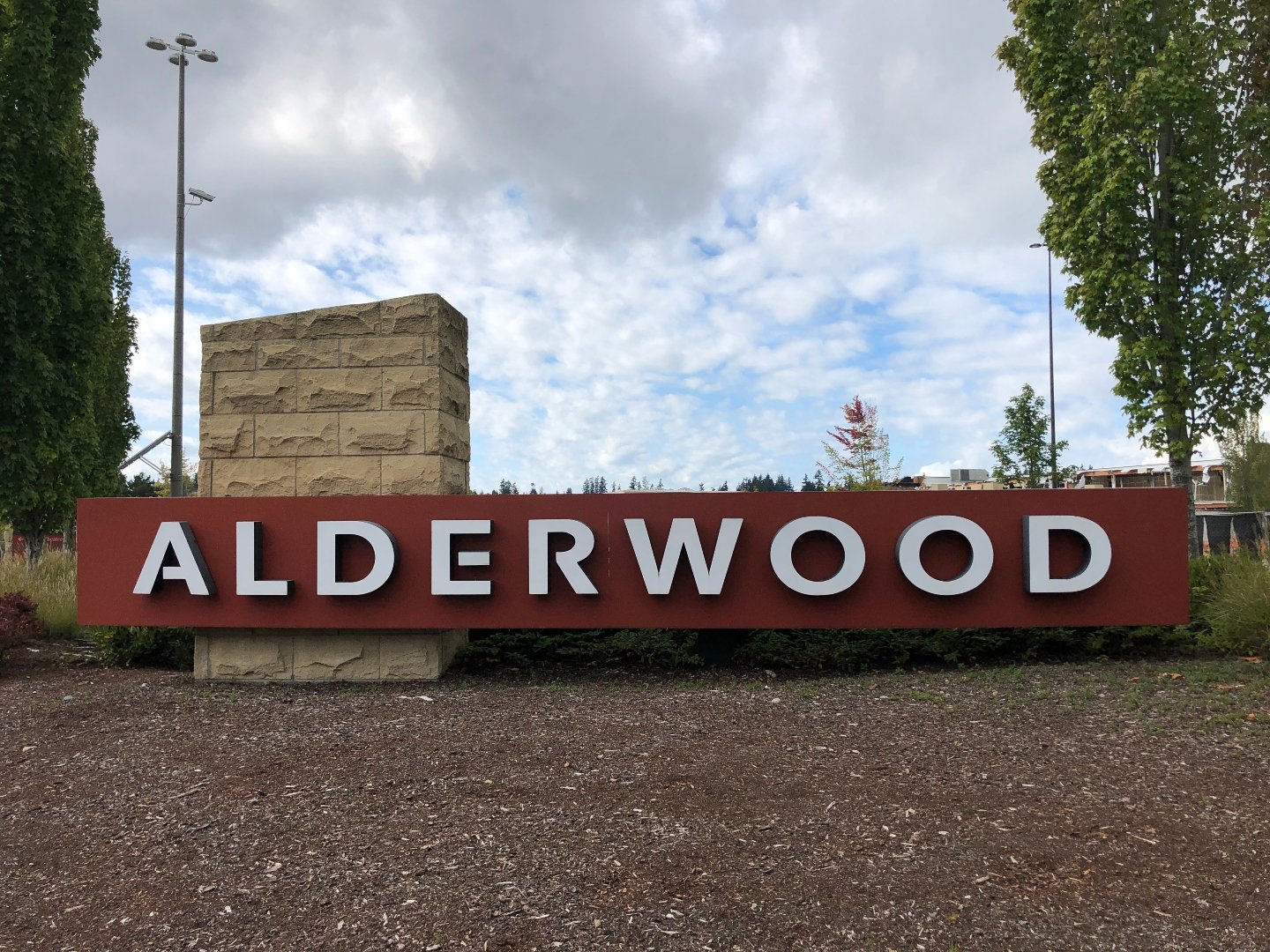
Alderwood
Lynnwood, WA
Alderwood Mall
Lynnwood, WA
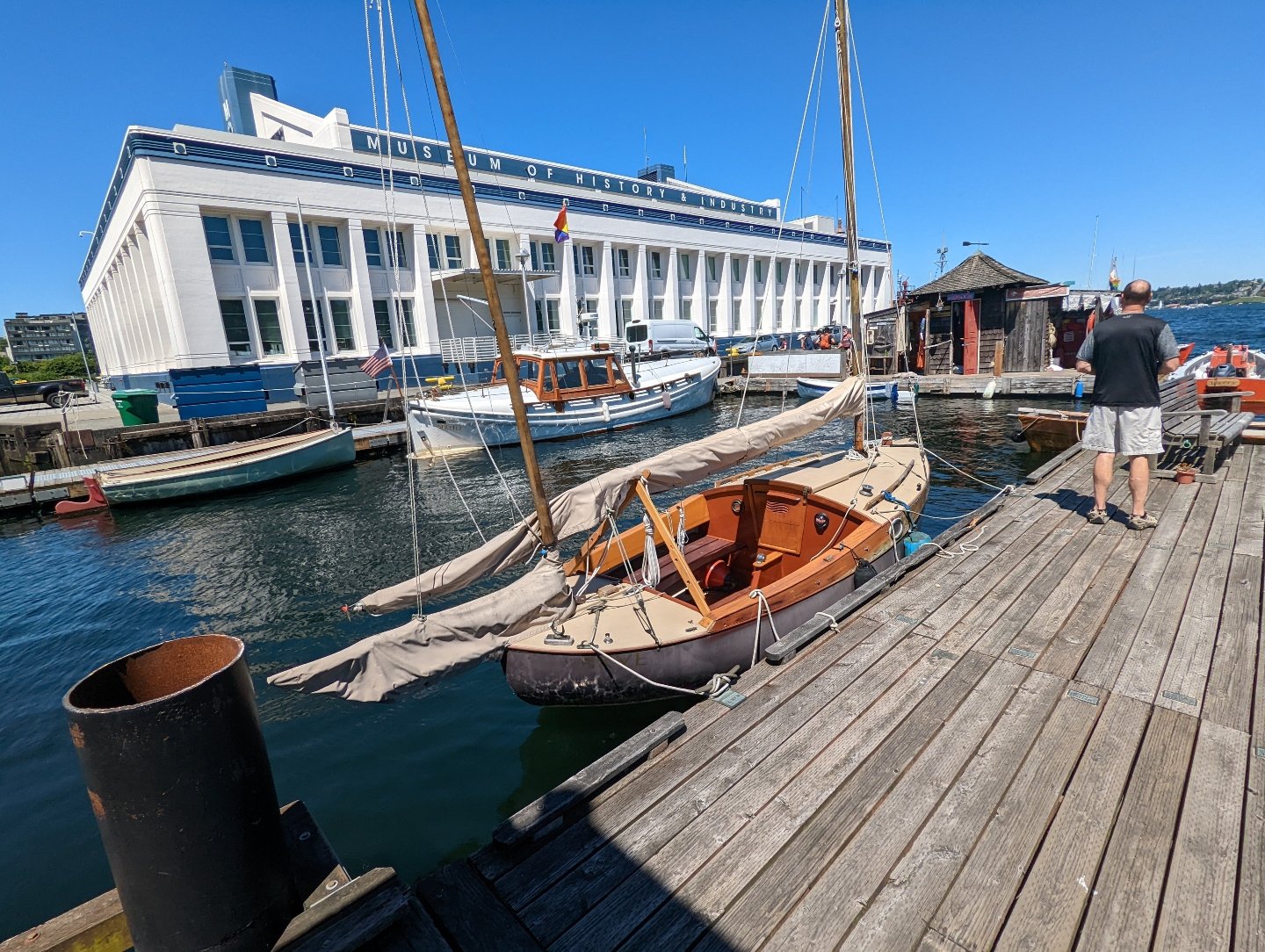
MOHAI Seattle
Seattle, WA
Sunrise Park
South Hill, WA
Point Ruston
Tacoma, WA
Kerry Park
Seattle, WA
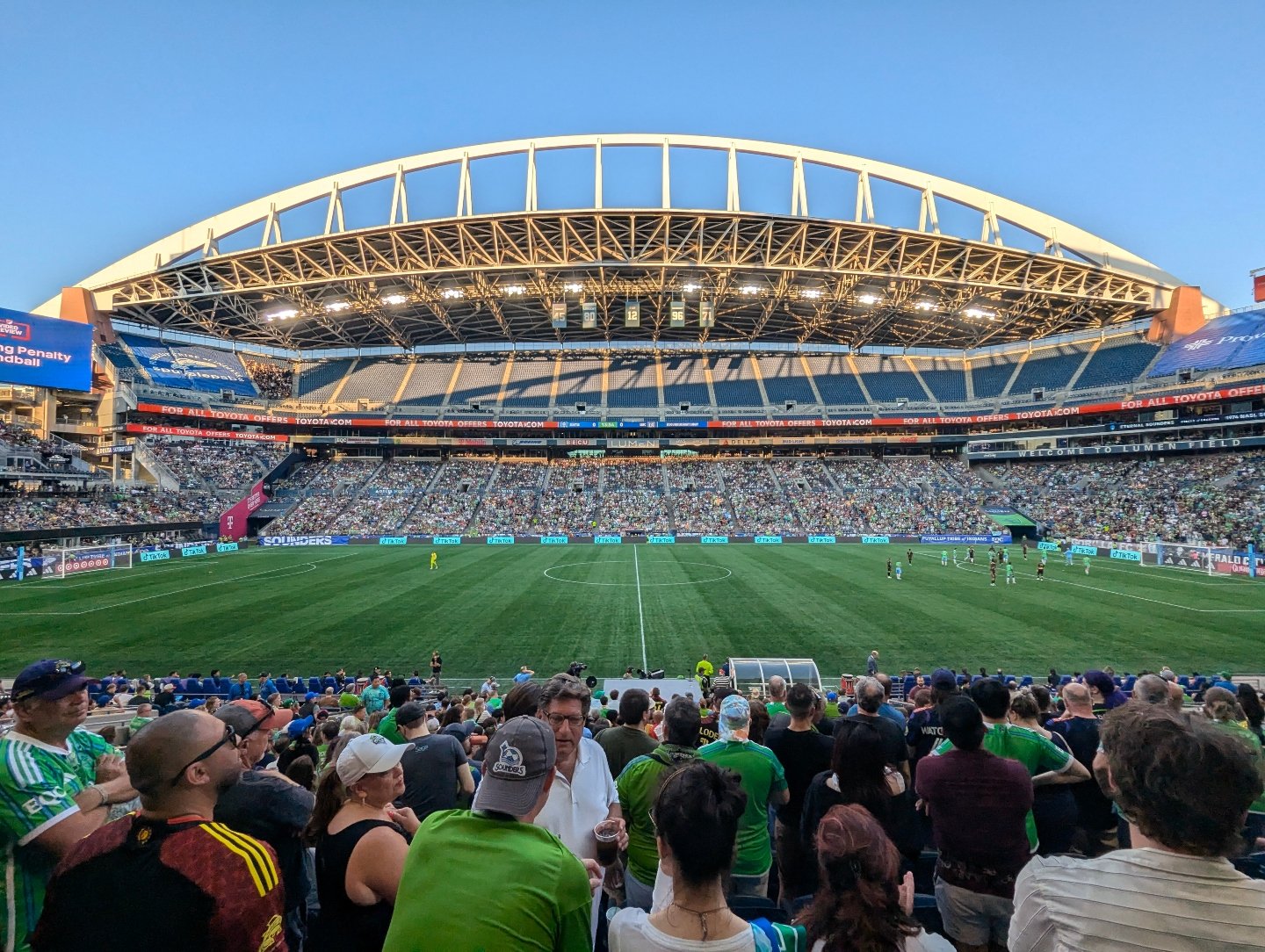
Lumen Field
Seattle, WA
Renton Southport
Renton, WA
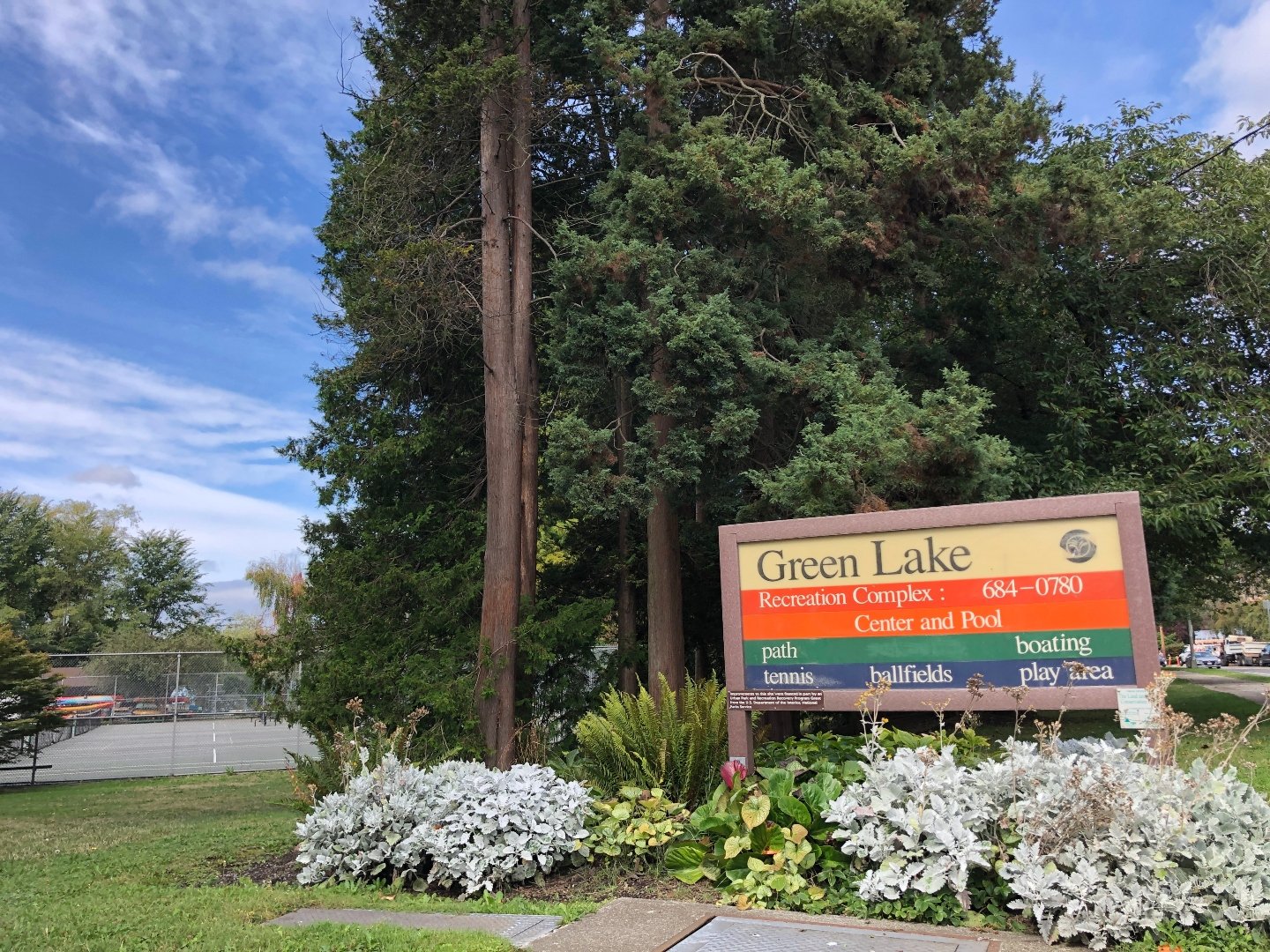
Green Lake
Seattle, WA
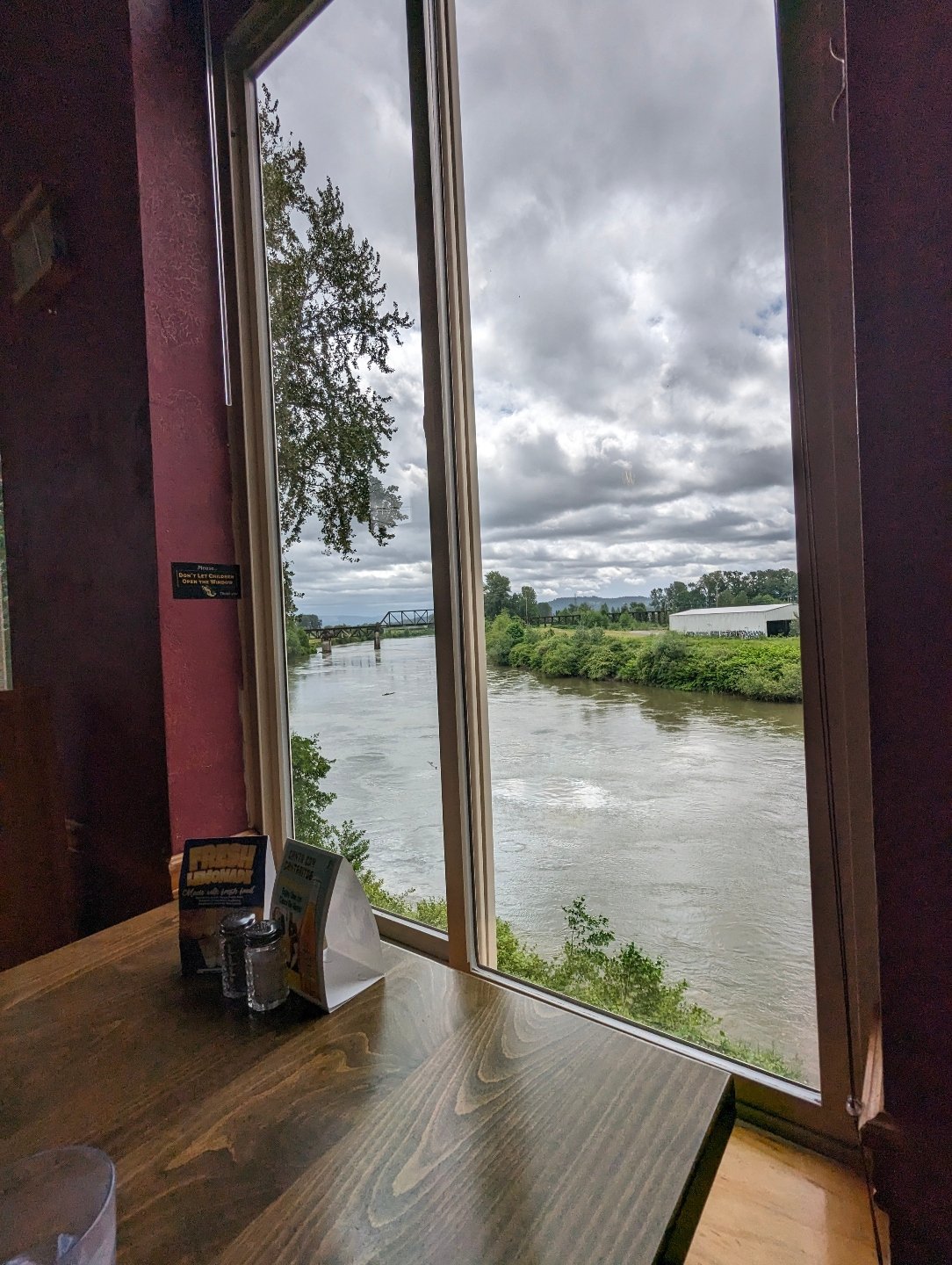
Snohomish River
Snohomish, WA
West Valley Highway
Kent, WA
Brooklyn Bros Pizza
Mill Creek, WA
Meydenbauer Bay Park
Bellevue, WA
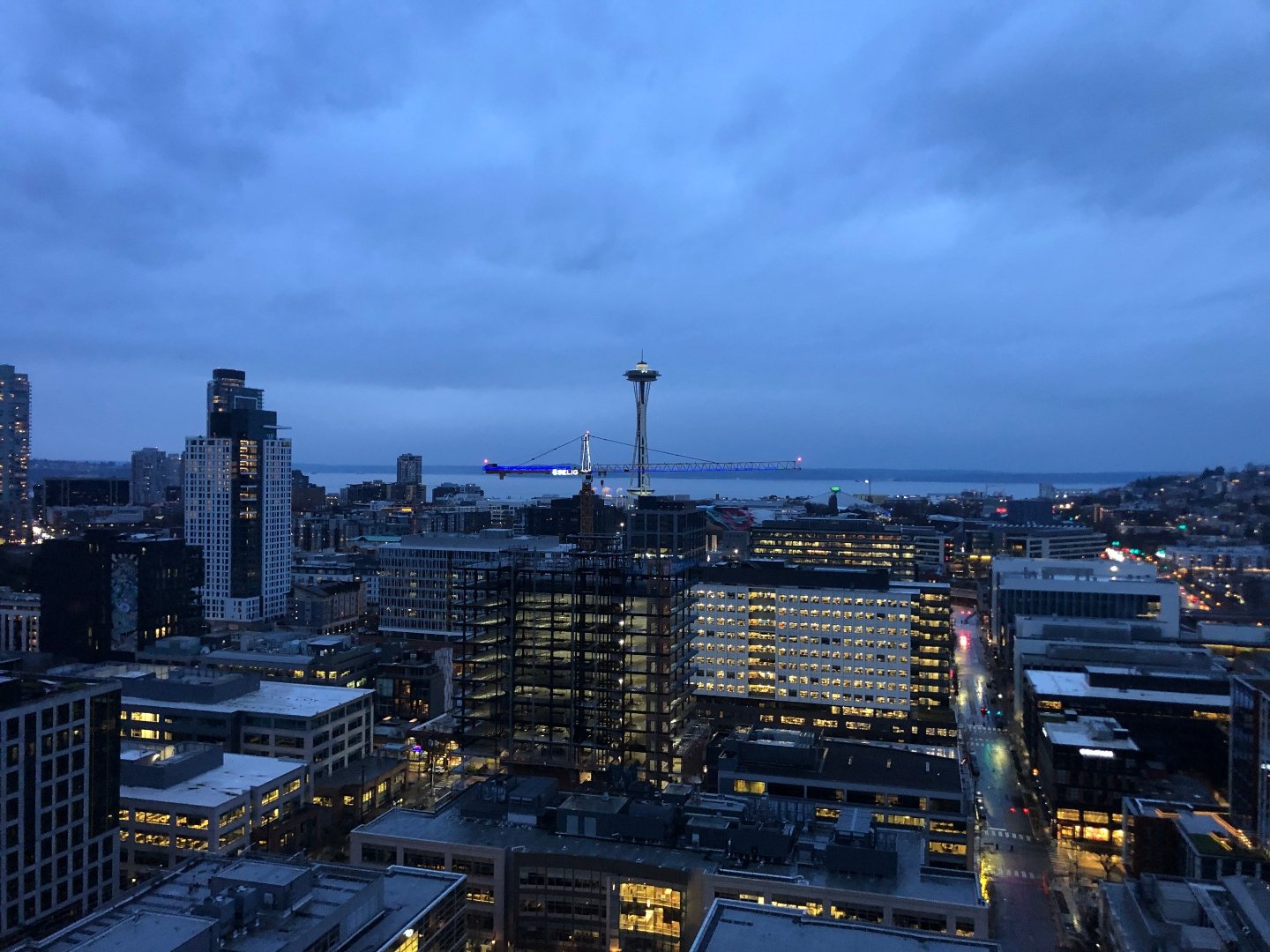
South Lake Union
Seattle, WA
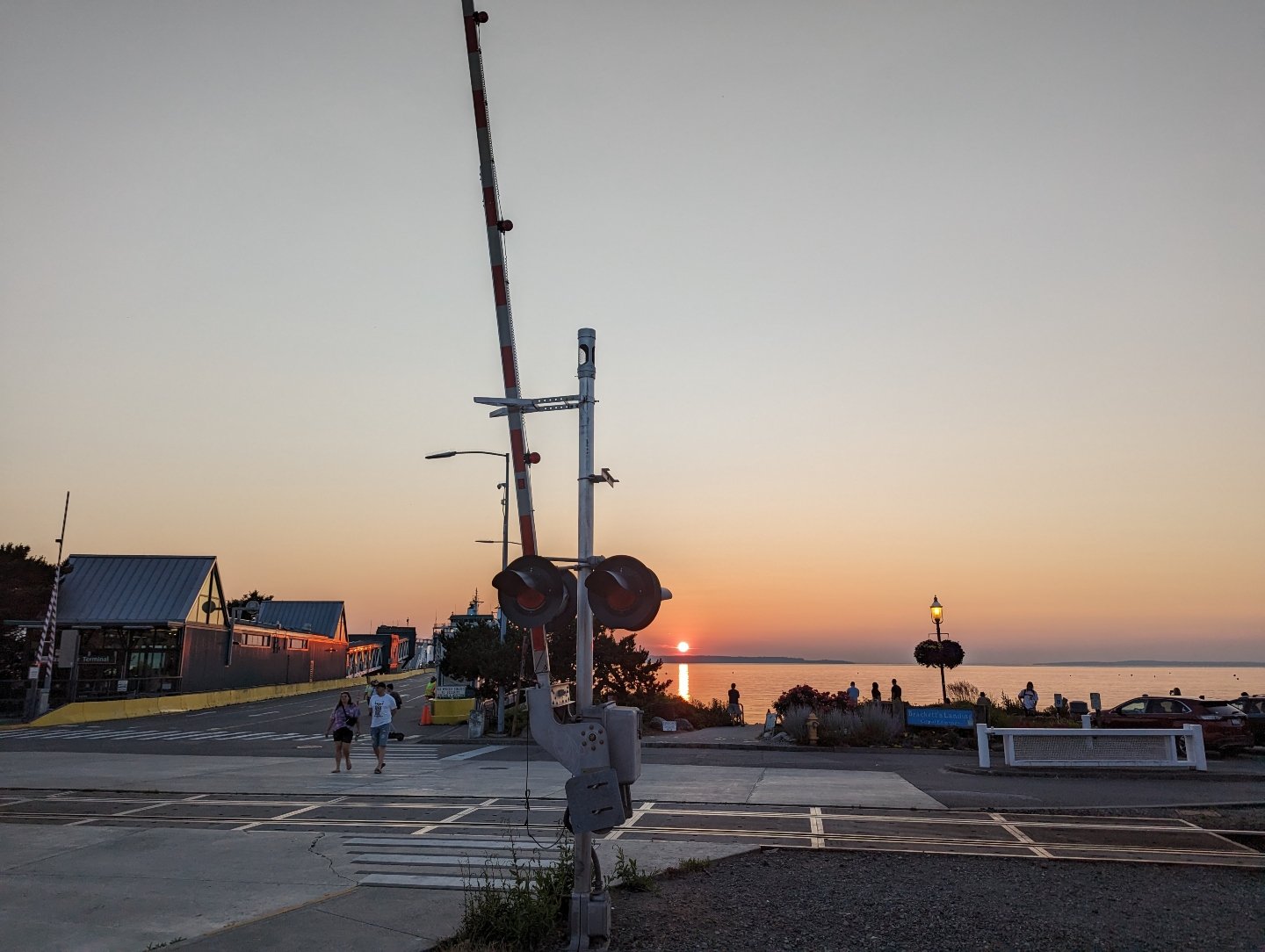
Train Track in Edmonds
Edmonds, WA
Weyerhauser Aquatic Center
Federal Way, WA
Author: Jake Ni
|
Published: Feb 25, 2026
|
Updated: Apr 16, 2026
Answer:
At the very minimum, a small business website should usually have around six or seven pages. That typically includes a homepage, contact page, about page, FAQ page, a main services page, and a few individual service subpages. That basic structure gives visitors enough information to understand the business, contact the company, and learn about the main offerings.
However, if you are serious about SEO, the ideal number of pages can be much higher. The reason is that more pages often means more opportunities to target relevant keywords. For example, if you run an auto glass business, you may have a main services page, but then you also want separate pages for windshield replacement, rock chip repair, ADAS calibration, door glass replacement, and more. That alone can quickly create a dozen pages.
Then you add local SEO pages, where you create location-based service pages for each city or area you serve. That could push the page count into the dozens or even over a hundred. On top of that, ongoing blog content adds even more pages every year. The speaker also points out that AI optimization now matters as well, which can lead to creating Q&A-style pages designed to help your website appear in tools like ChatGPT, Gemini, or Claude.
So the simple answer is six or seven pages at minimum, but many more if you want to compete seriously online.
Summary:
The answer starts with a practical minimum of six or seven pages for a small business website, covering the essential structural pages most visitors expect. It then expands that baseline into a broader SEO strategy by explaining that more pages create more keyword opportunities. Service-specific pages, local SEO pages for each city served, blog posts, and AI-focused Q&A pages all contribute to a much stronger site over time. The speaker’s larger point is that a website should not be thought of as a tiny brochure with only a few pages if growth is the goal. Instead, it should become a content-rich platform that supports traditional SEO, local SEO, and AI optimization. In that sense, page count becomes a business growth tool rather than just a design decision.
About the Author
Jake Ni
Account Executive at 1 Stop Link
Jake believes that small businesses are the backbone of America.
They deserve to benefit from the latest technology that fail to trickle down from "big tech".
With expert local knowledge and over 7 years of industry experience, he's ready to help you build a top tier web presence!
Book a video consultation with Jake:
More Articles Like This
We Have The Proof: Top Rated Digital Marketing Agency in WA
1 Stop Link is 5 star rated on Google. Read words of appreciation from our clients.
No Stock Images, Just Real People and Real Testimonials
Watch our clients share their success stories in their own words.