Question: How does making a website more user-friendly affect conversion rates?
Point Ruston
Tacoma, WA
Redmond Town Center
Redmond, WA
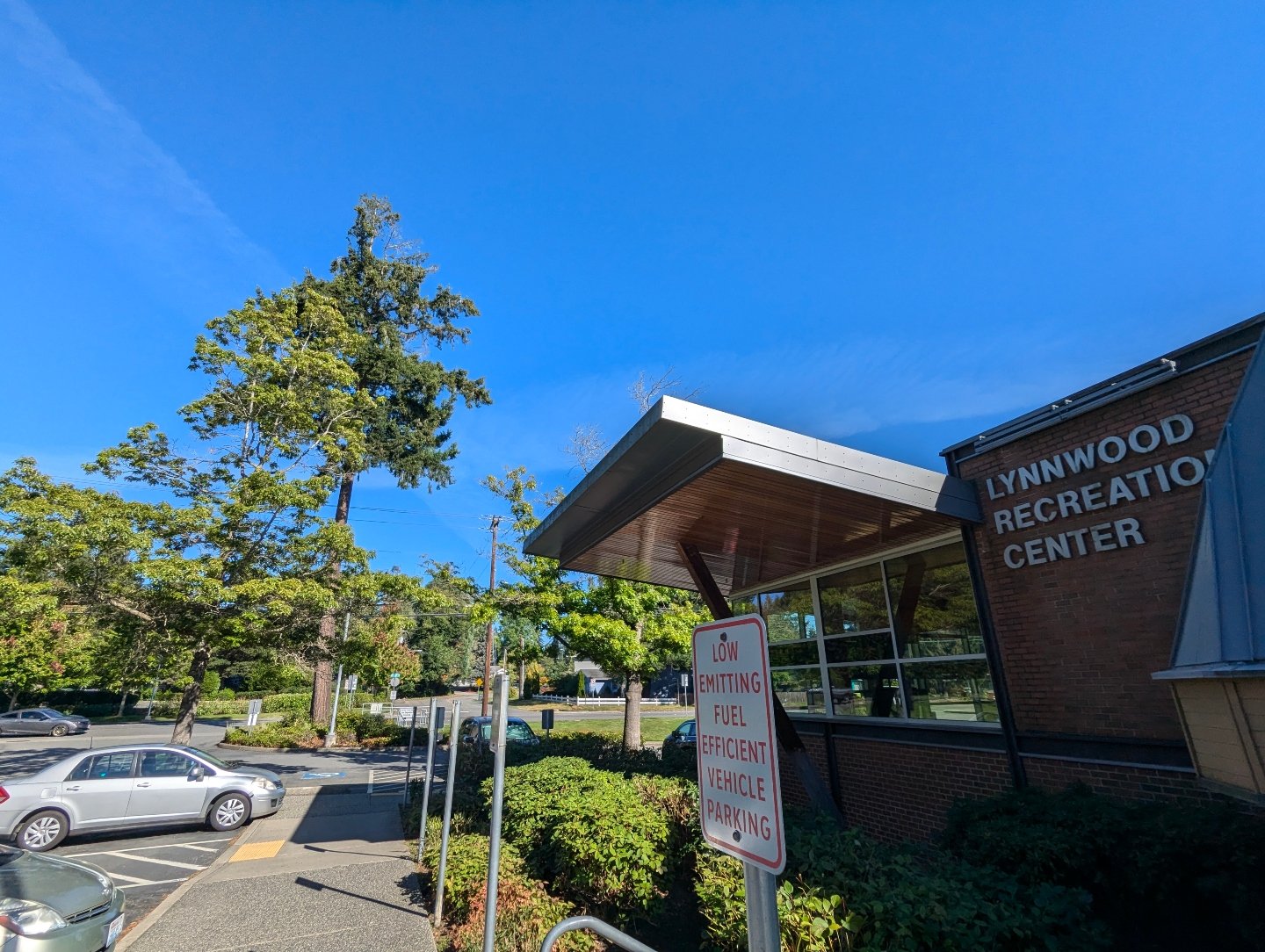
Lynnwood Recreation Center
Lynnwood, WA
South Lake Union
Seattle, WA
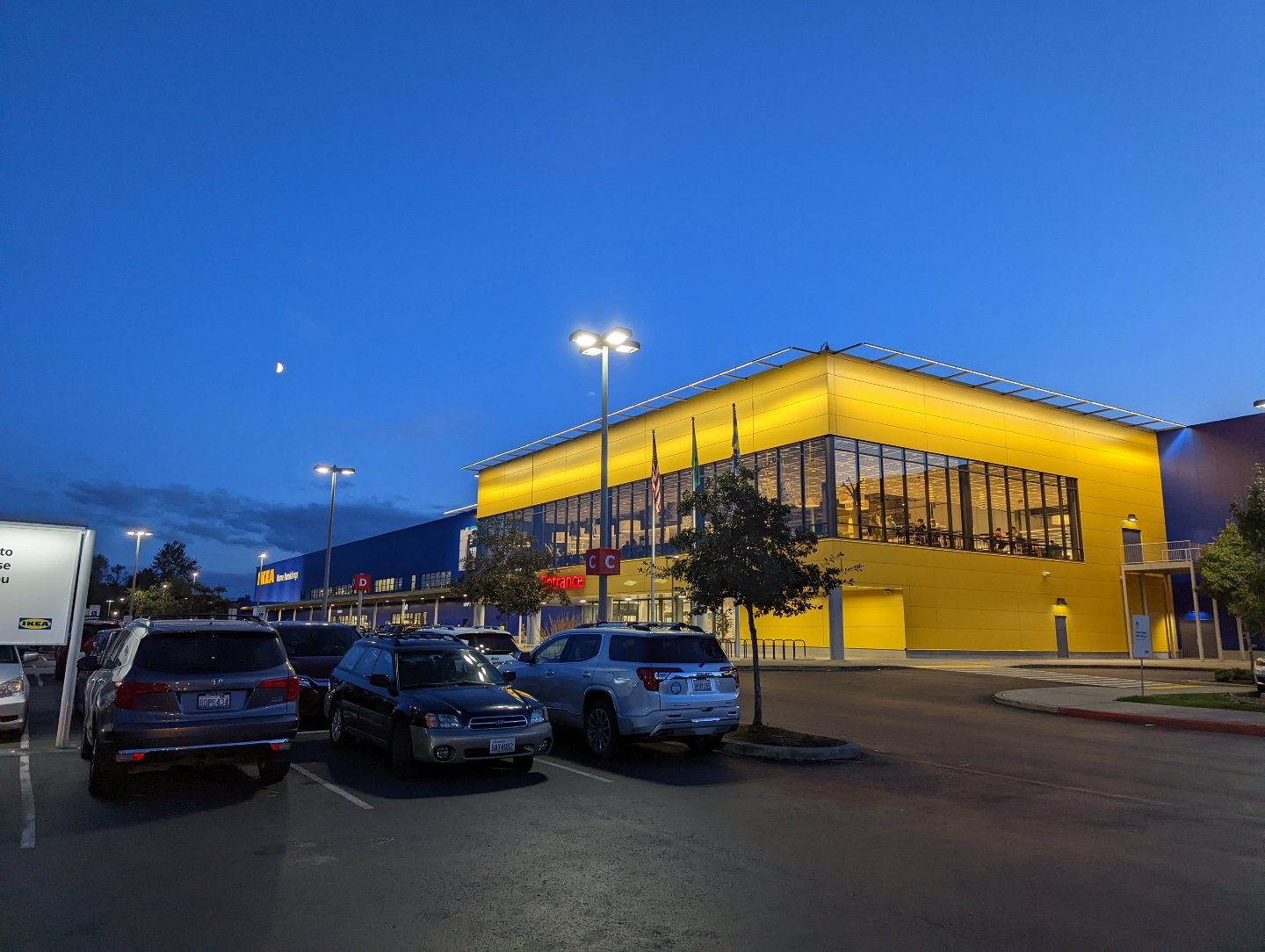
IKEA Renton
Renton, WA
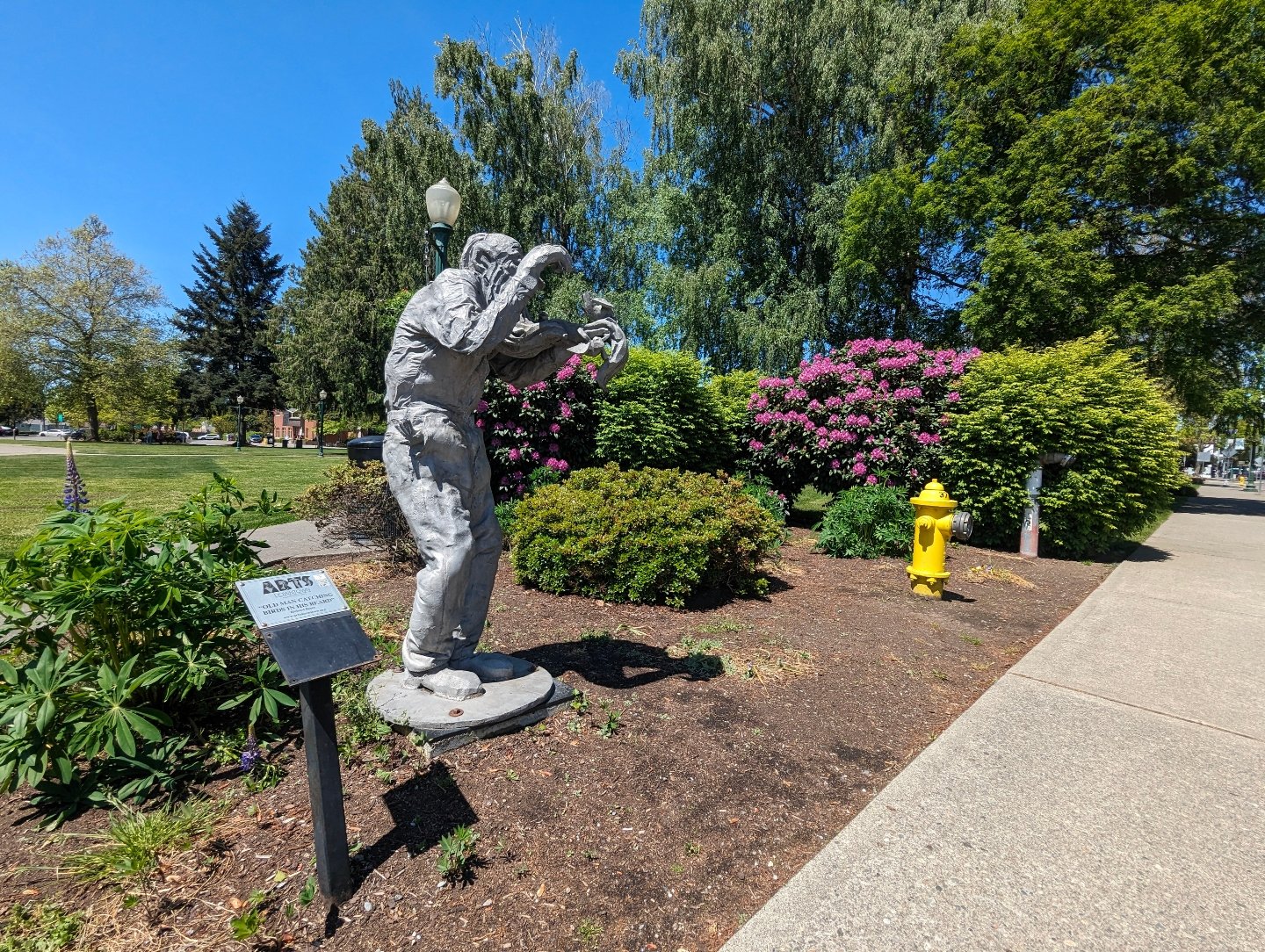
Sunrise Park
South Hill, WA
Kerry Park
Seattle, WA
Ballard Locks
Seattle, WA
Boeing Renton Factory
Renton, WA
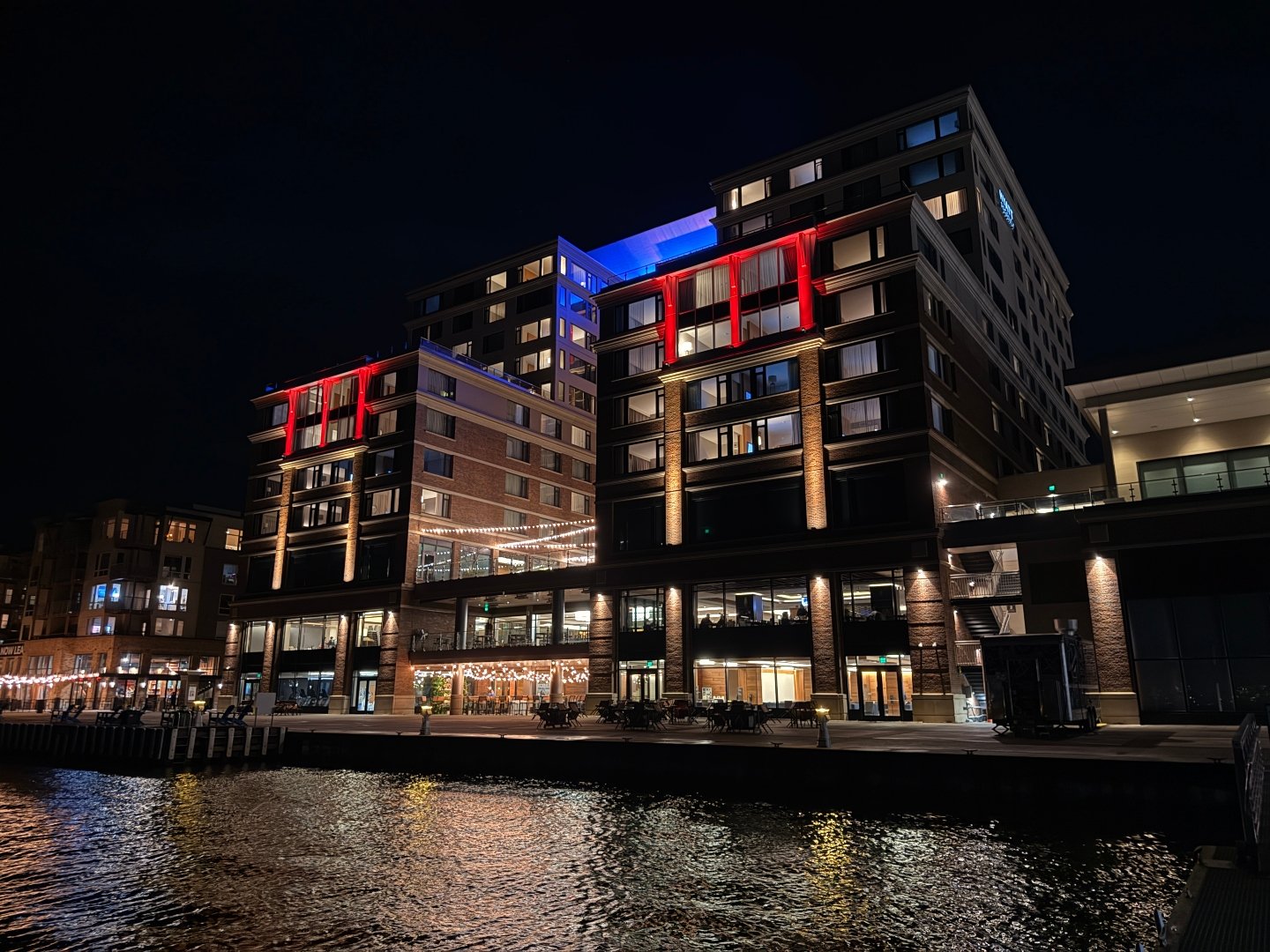
Everett Waterfront
Everett, WA
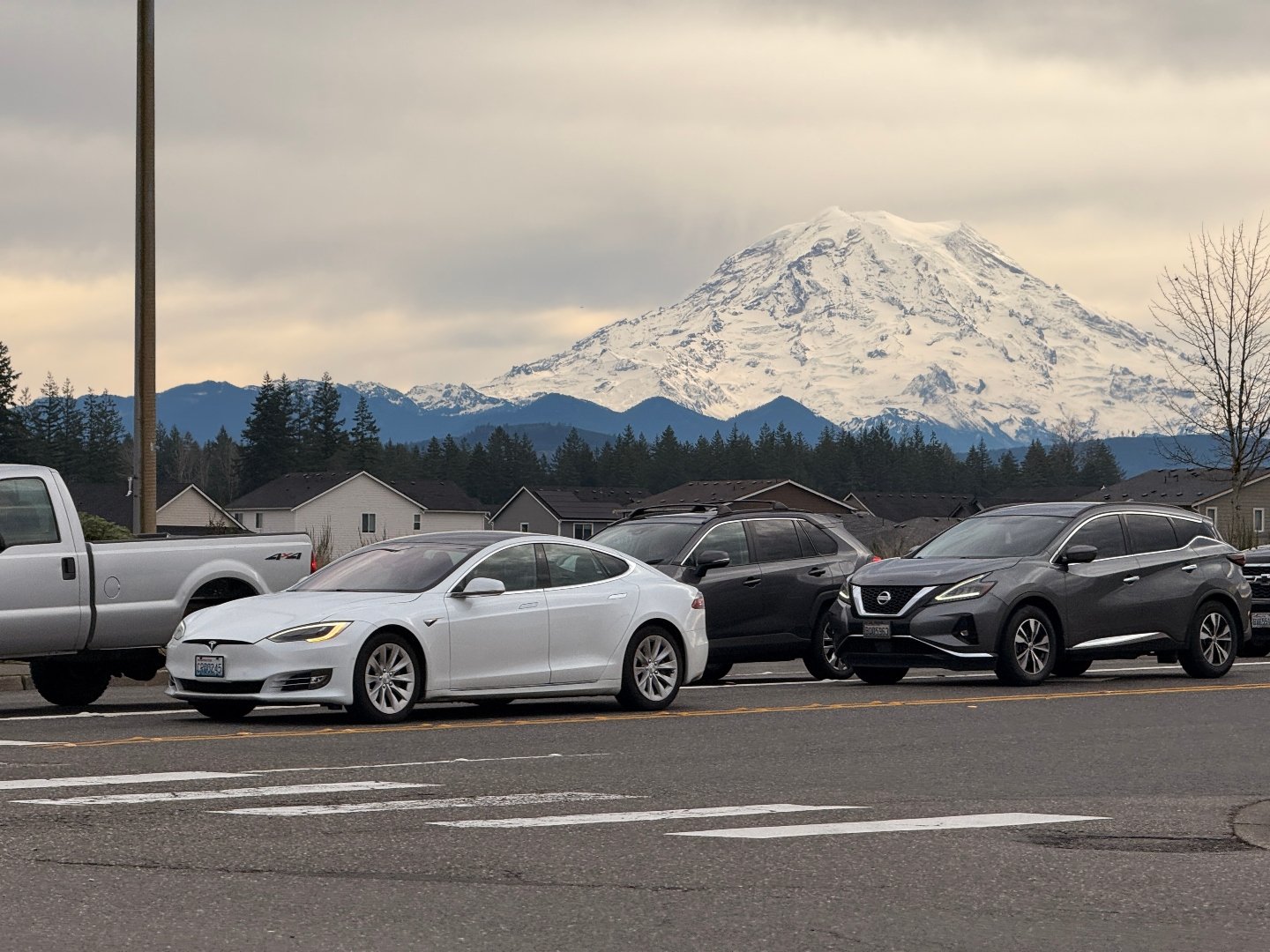
Mount Rainier National Park
Mount Rainier, WA
Meydenbauer Bay Park
Bellevue, WA
Kirkland Homeport Marina
Kirkland, WA
Mill Creek Town Center
Mill Creek, WA
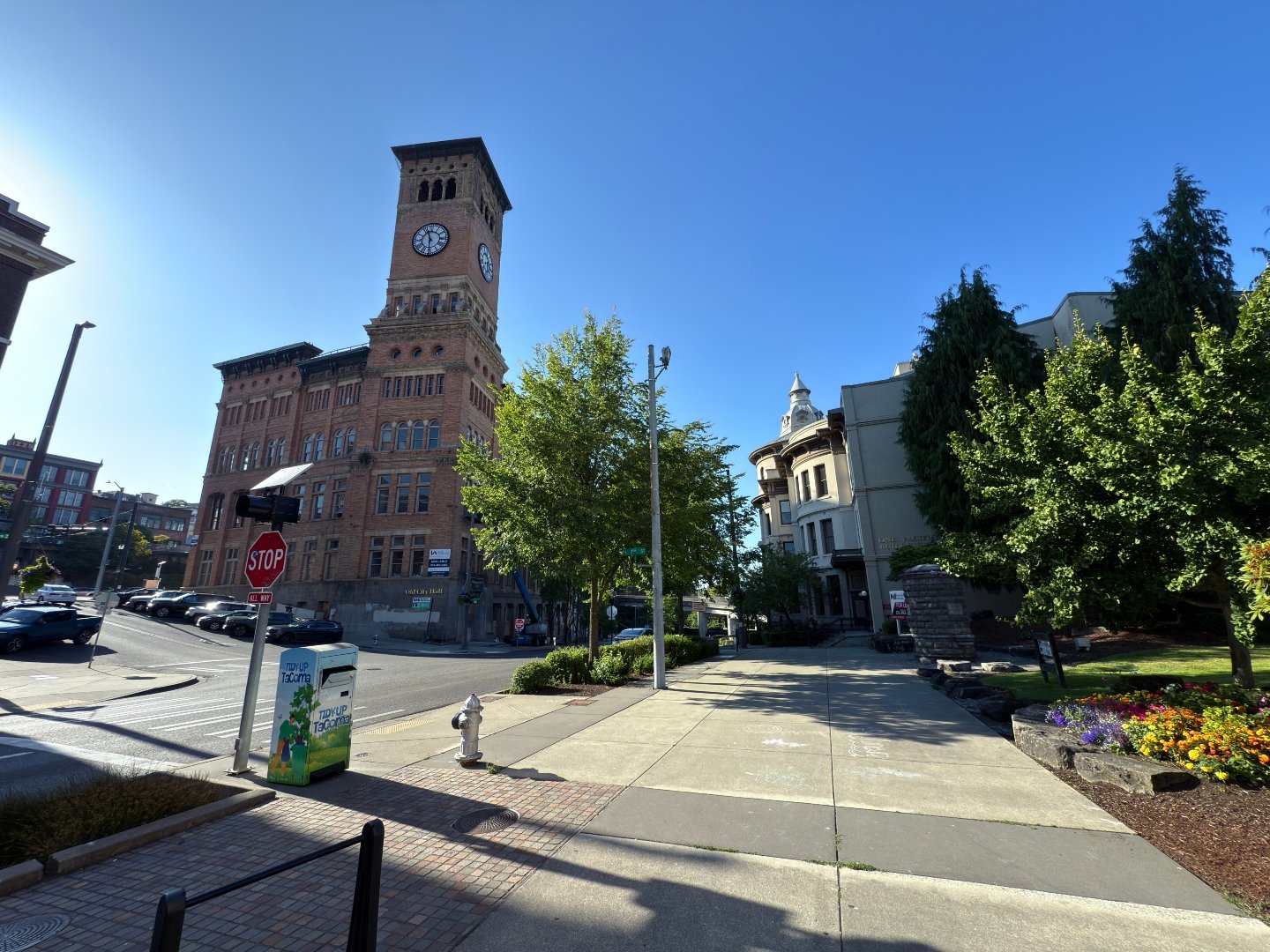
Theatre District
Tacoma, WA
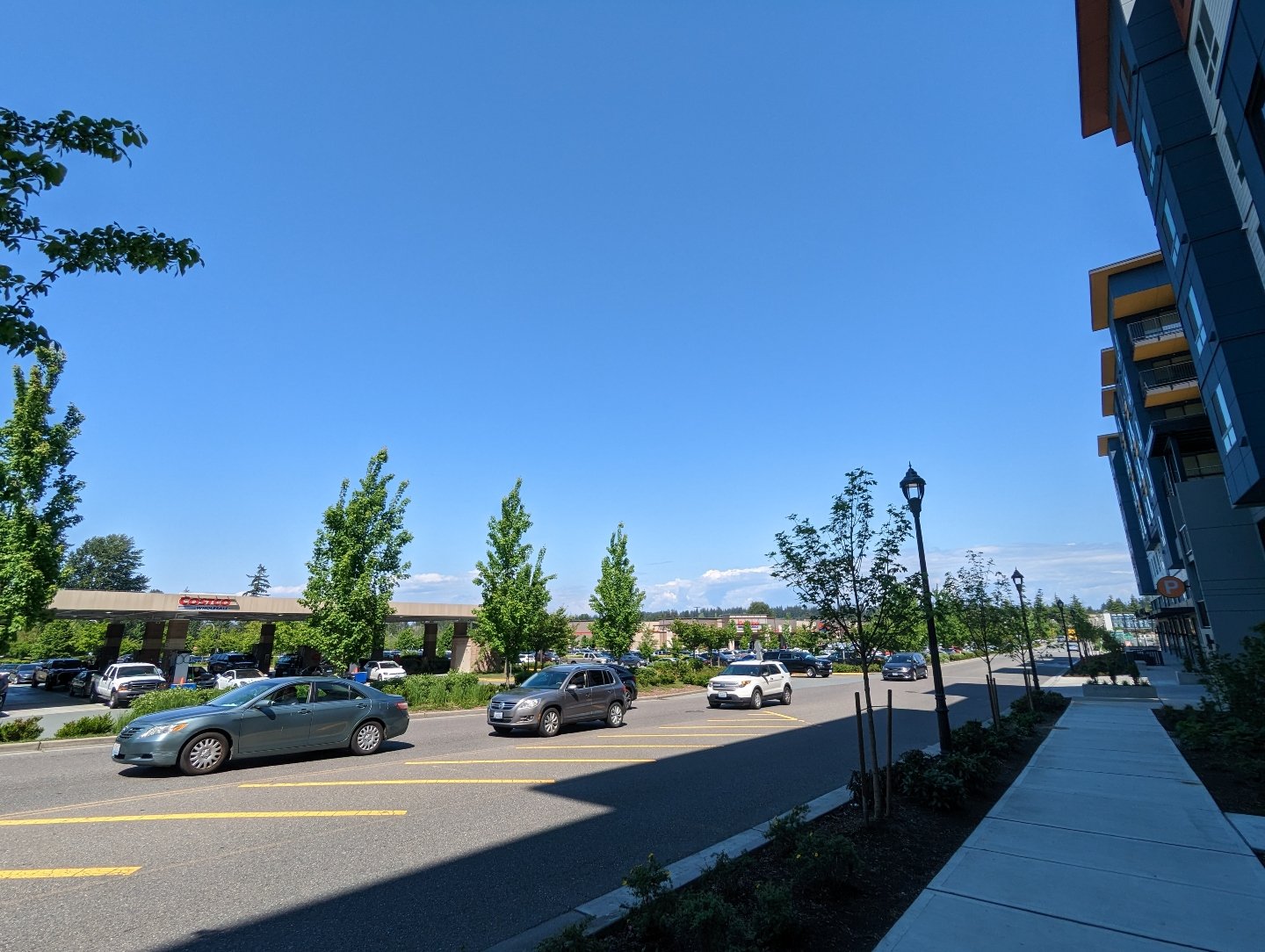
Costco Alderwood
Lynnwood, WA
Everett Marina
Everett, WA
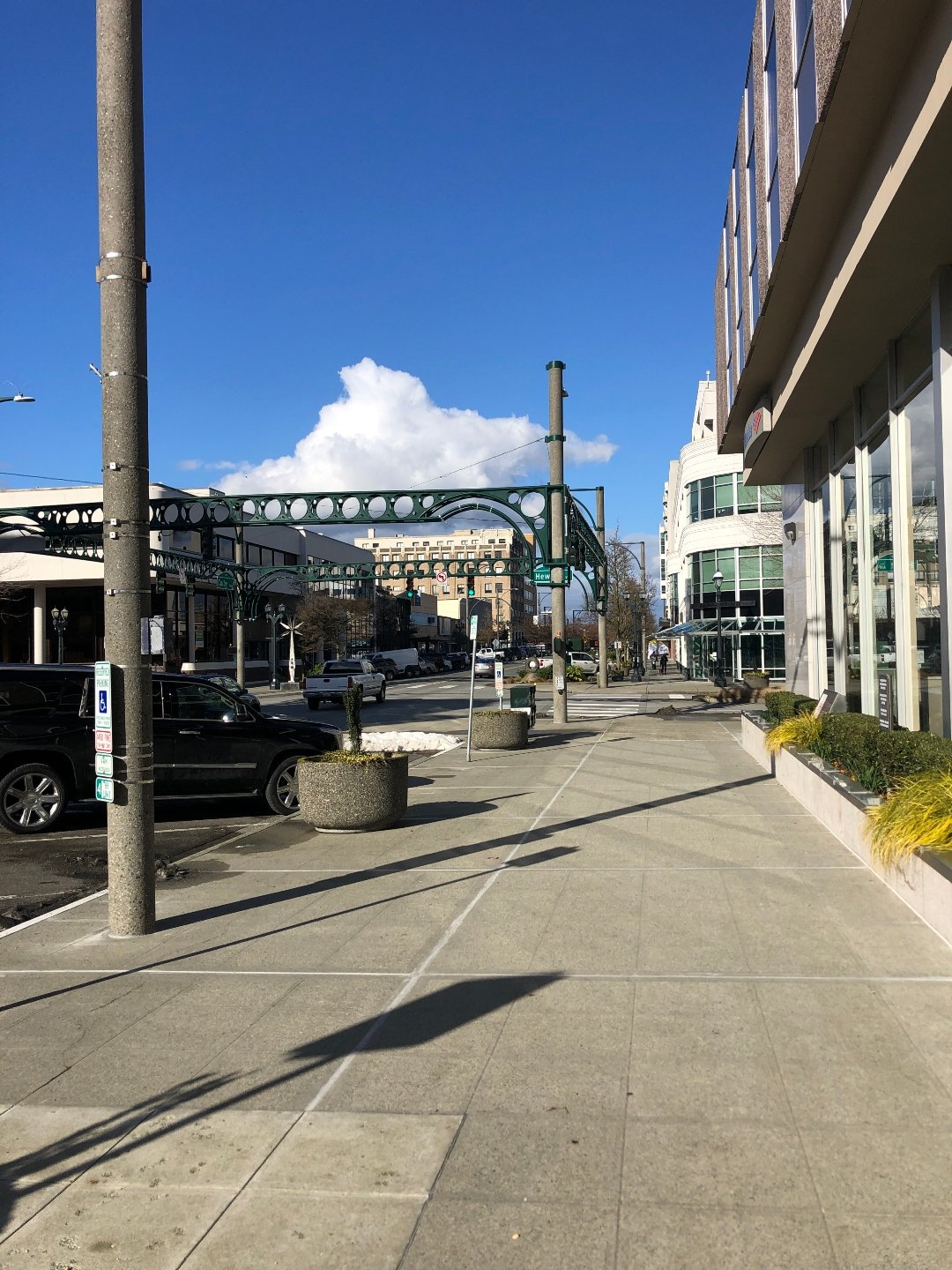
Downtown Everett
Everett, WA
Mill Creek Town Center
Mill Creek, WA
Renton Southport
Renton, WA
Lincoln Park
West Seattle, WA
Pioneer Park
Puyallup, WA
Weyerhauser Aquatic Center
Federal Way, WA
Sunrise
Puyallup, WA
Lake Sammamish State Park
Issaquah, WA
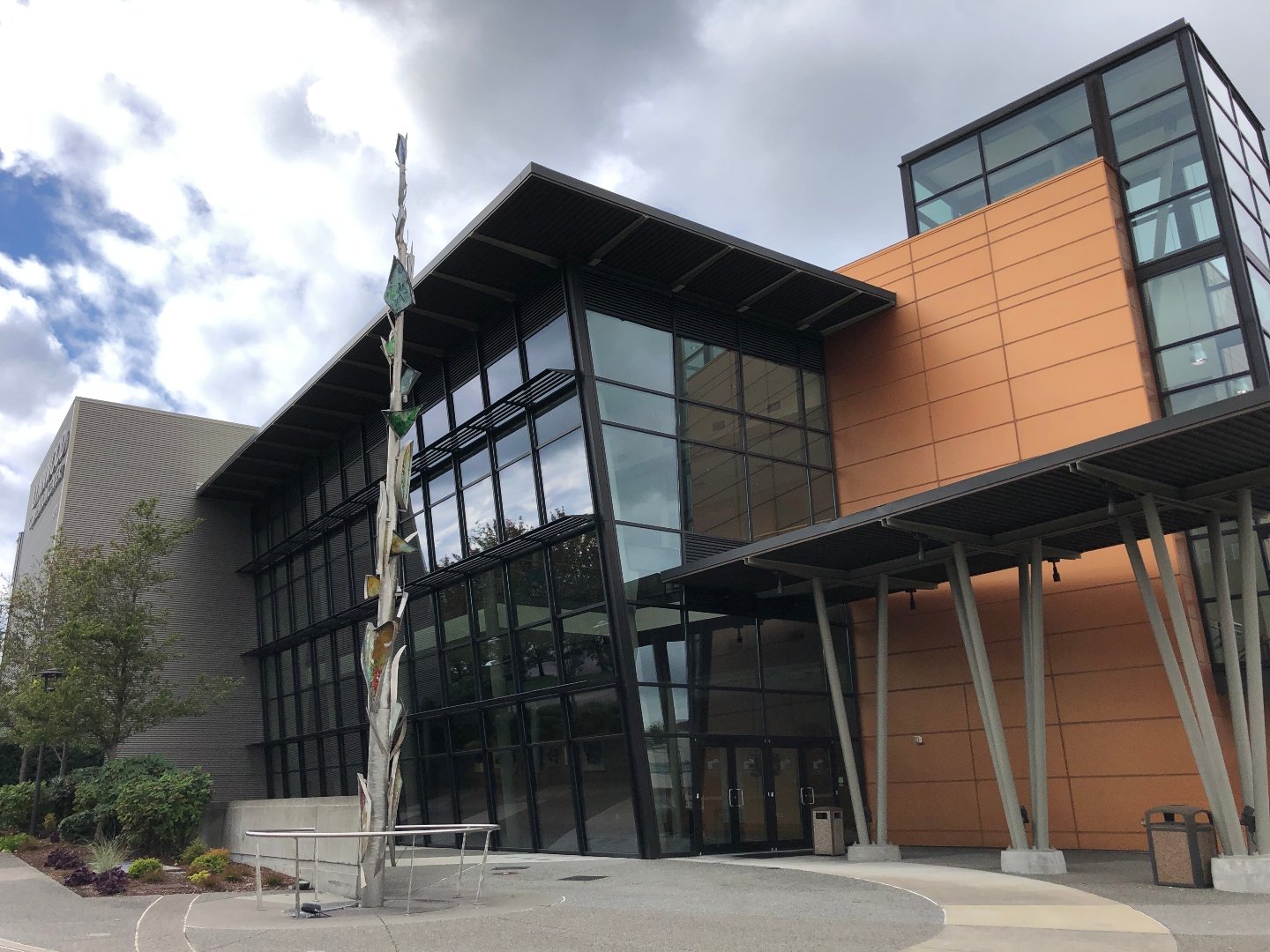
Lynnwood Convention Center
Lynnwood, WA
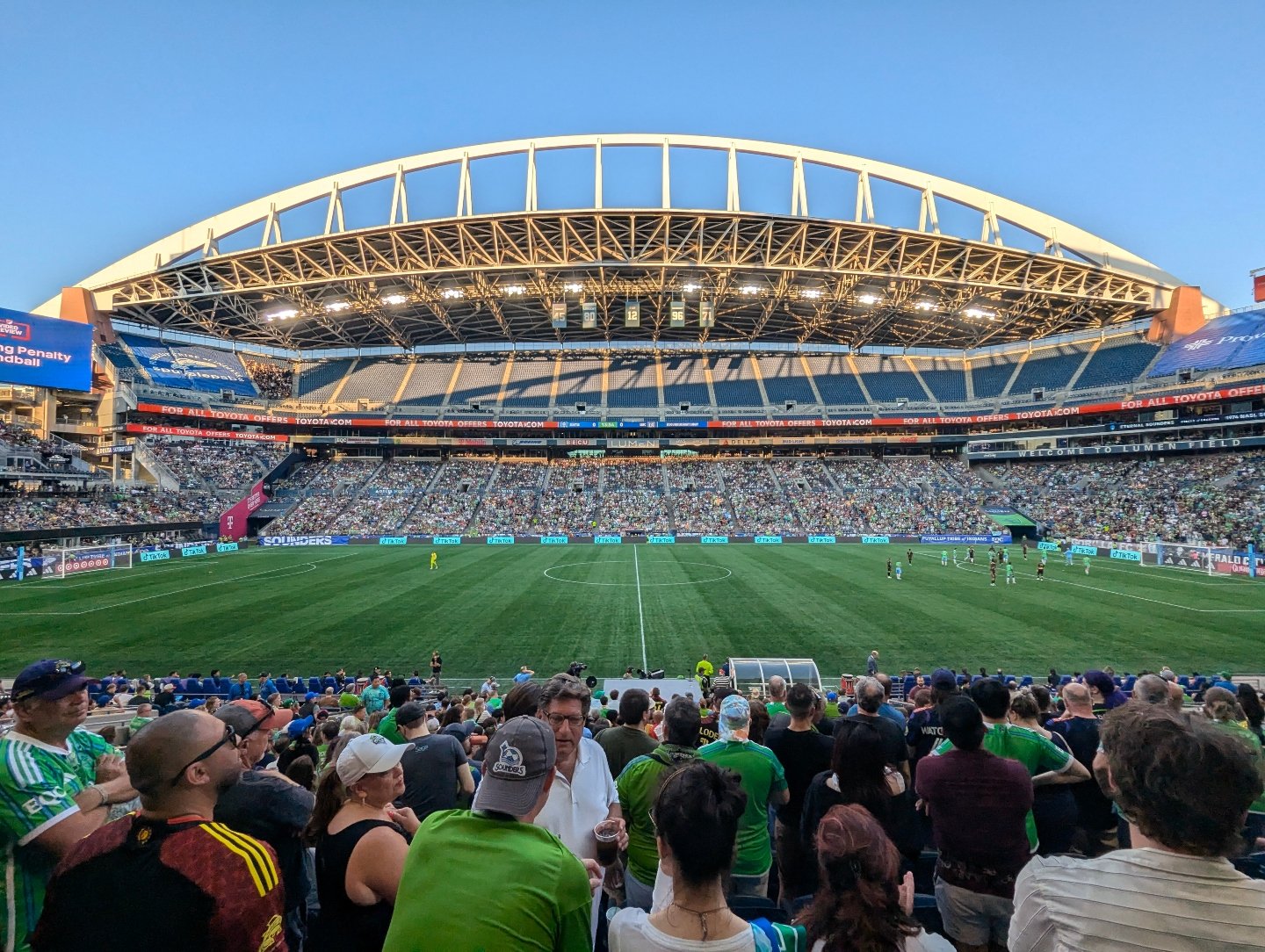
Lumen Field
Seattle, WA
Bellevue Downtown Park
Bellevue, WA
Brooklyn Bros Pizza
Mill Creek, WA
Meydenbauer Bay Park
Bellevue, WA
Alderwood Mall
Lynnwood, WA
Lake Tapps
Lake Tapps, WA
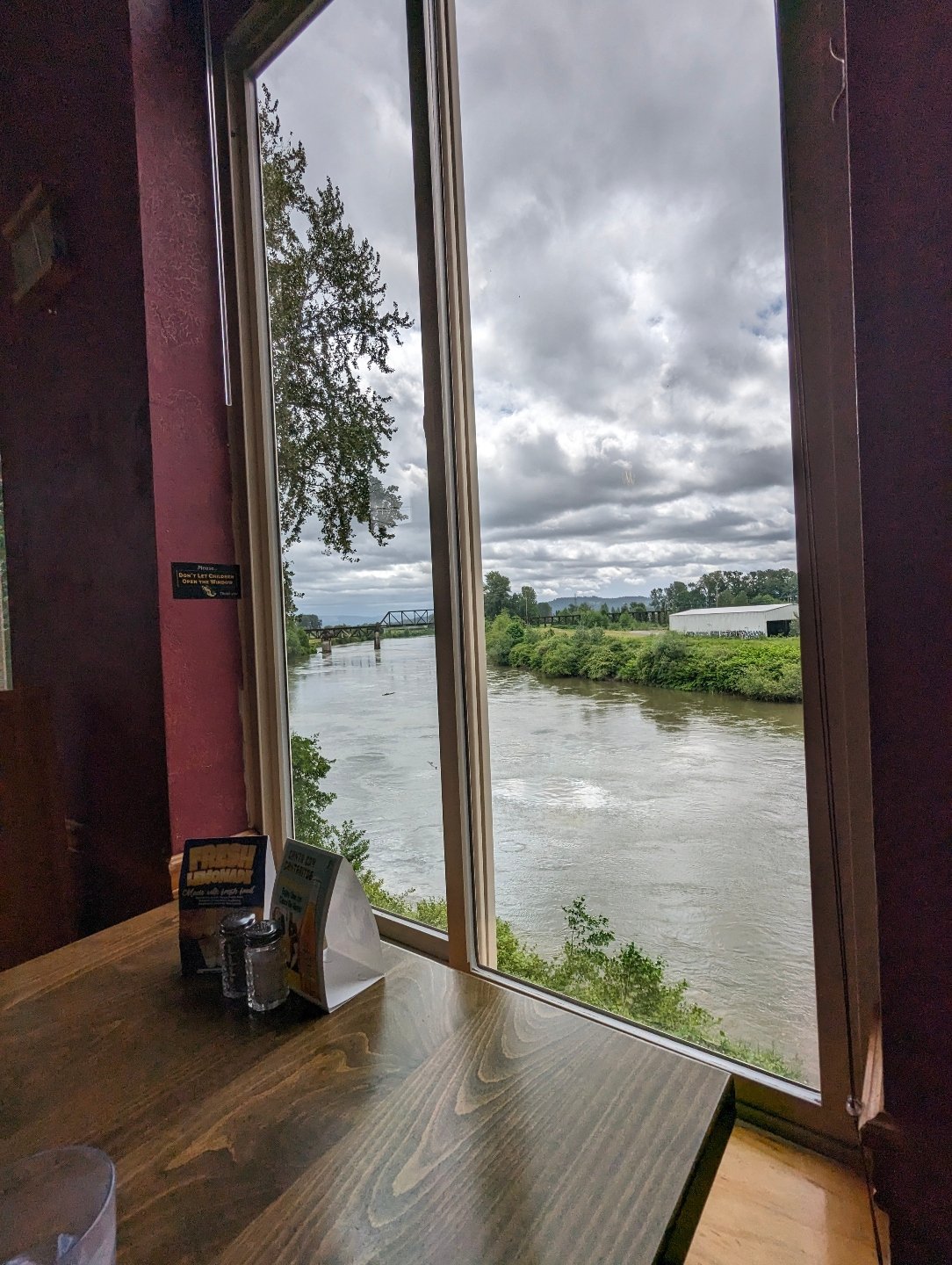
Snohomish River
Snohomish, WA
Train Track in Edmonds
Edmonds, WA
Gene Coulon Memorial Beach Park
Renton, WA
Sunrise
Puyallup, WA
MOHAI Seattle
Seattle, WA
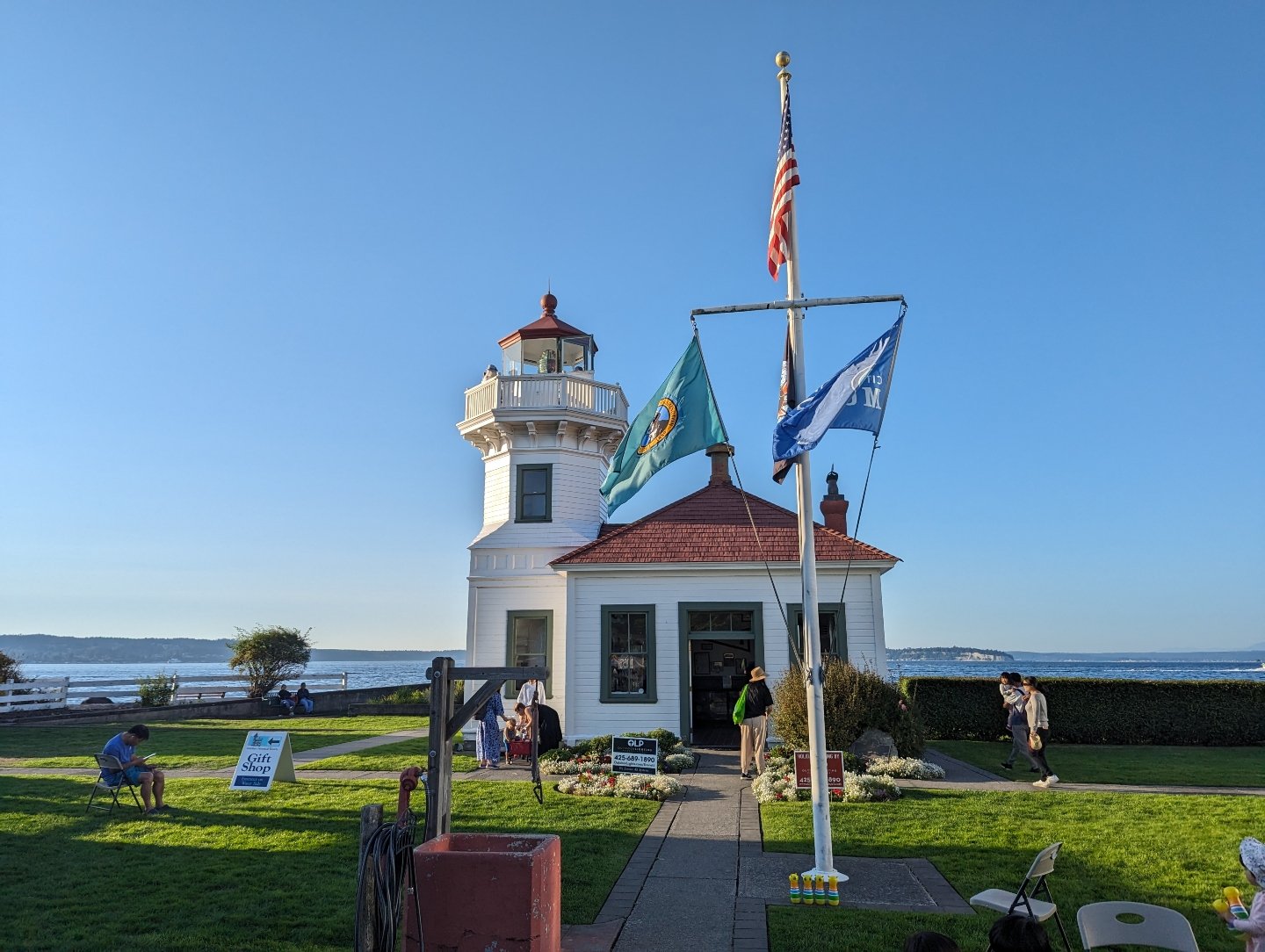
Lighthouse Park
Mukilteo, WA
Edmonds Bowl
Edmonds, WA
Alderwood
Lynnwood, WA
Mount Rainier National Park
Mount Rainier, WA
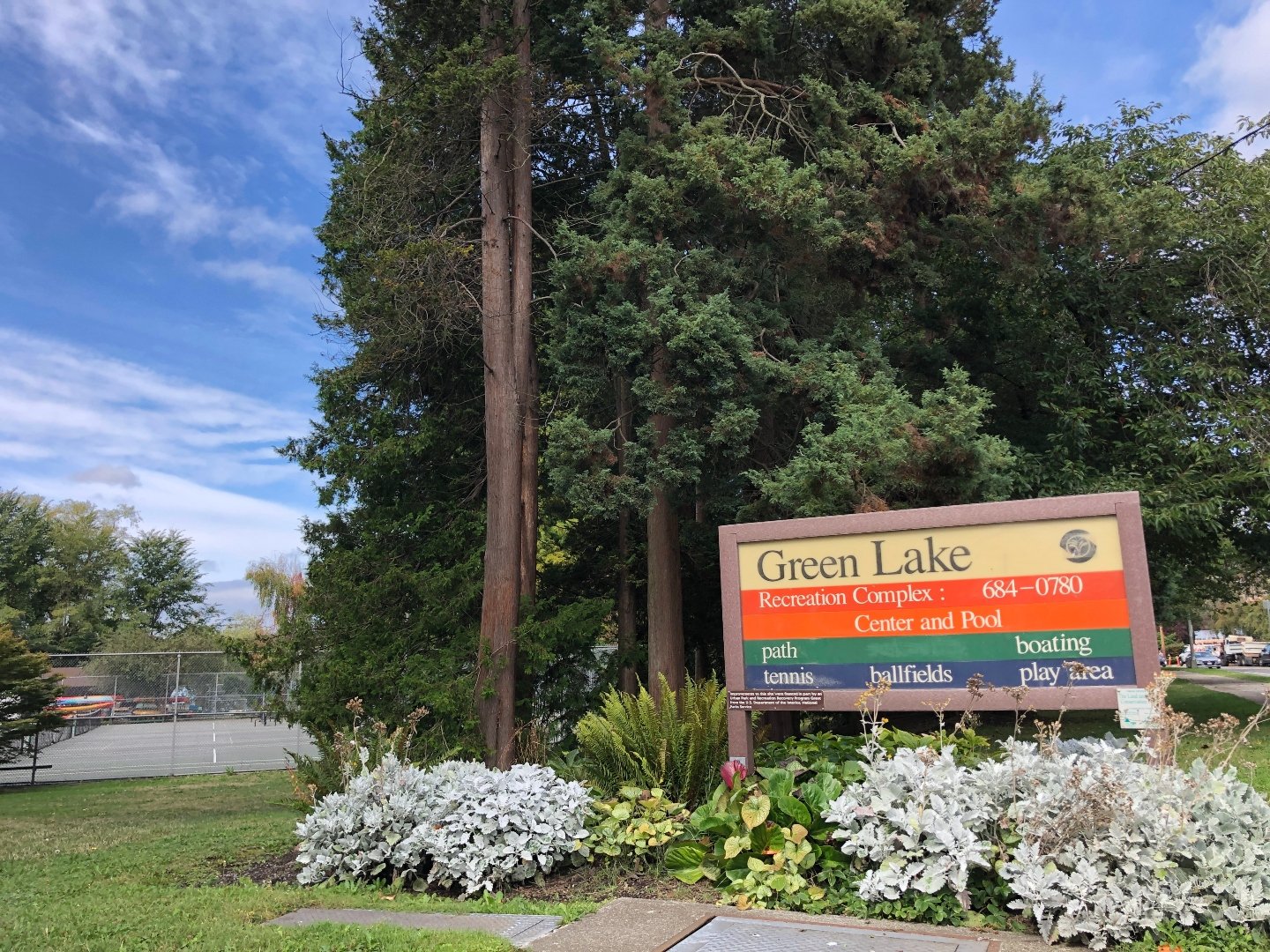
Green Lake
Seattle, WA
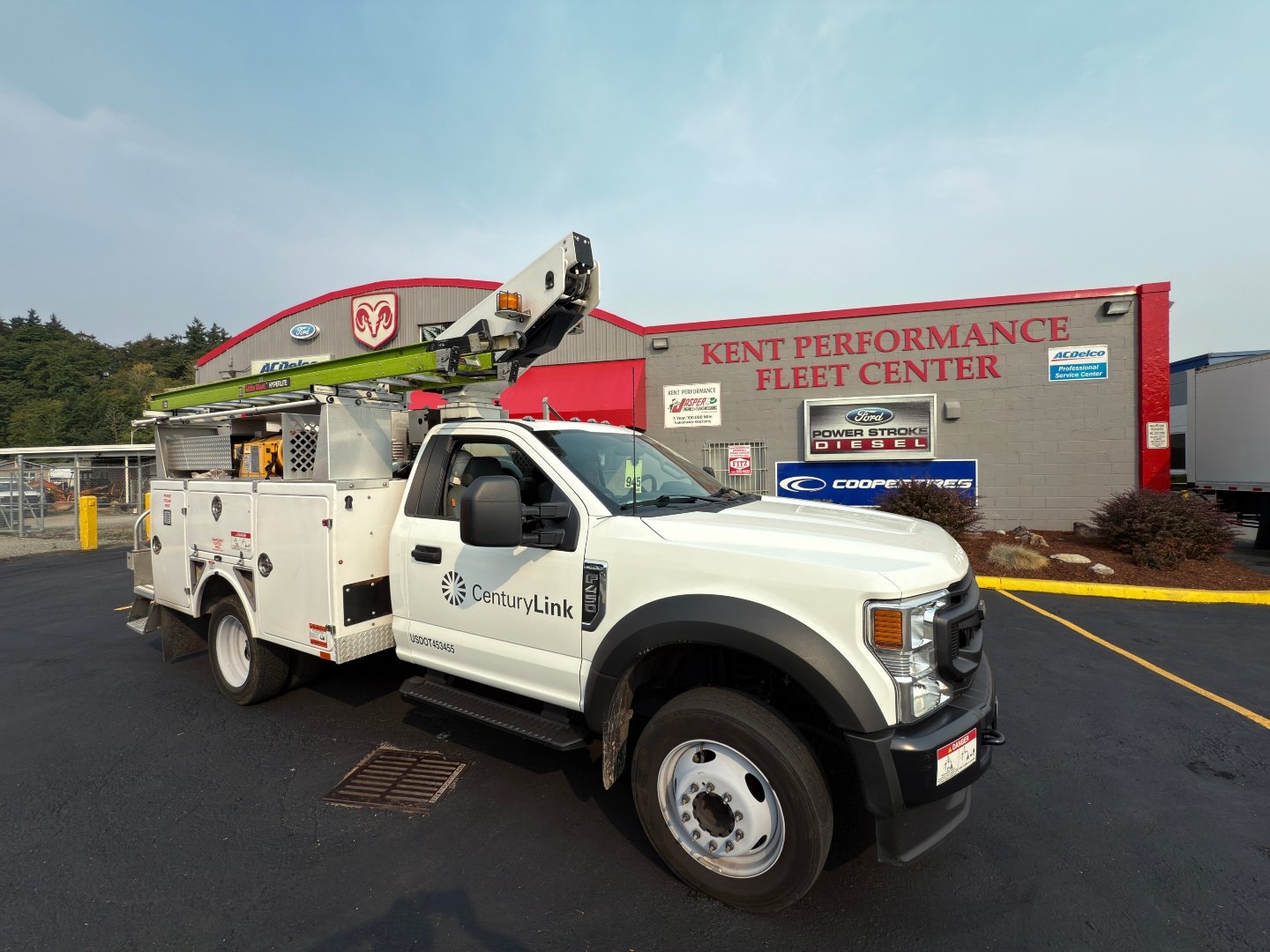
West Valley Highway
Kent, WA
WA State Fair
Puyallup, WA
Kent Valley
Kent, WA
Bellevue Square
Bellevue, WA
Author: Jake Ni
|
Published: Apr 05, 2026
|
Updated: Apr 16, 2026
Answer:
Making a website more user-friendly can have a major impact on conversions because it makes it easier for people to take action. The speaker compares two websites side by side. One has tiny text, poor mobile formatting, no clear call-to-action buttons, and no obvious next step. The other has prominent phone numbers, large readable text, and strong action buttons like “Message Us,” “Free Estimate,” “Call Now,” or “Text Now.” The second website will almost always perform better.
That improvement happens because people do not want to struggle. They do not want to search around the page for a phone number, zoom in to read fine print, or guess what they are supposed to do next. When the design is clearer and the calls to action are bigger, more visible, and placed prominently, visitors are much more likely to act.
The answer also emphasizes mobile because mobile traffic now dominates. Good user-friendliness on a phone means readable text, properly sized buttons, and clean layouts. So the more accessible and obvious the action path is, the better the website converts. In short, usability directly supports lead generation.
Summary:
The answer links user-friendliness directly to conversion improvement by showing that easier websites reduce friction and help visitors act more quickly. Clear phone numbers, large readable fonts, strong call-to-action buttons, and mobile optimization all contribute to making the customer journey simpler. The speaker contrasts this with poor websites that use tiny text, weak layouts, and unclear actions, explaining that those sites naturally underperform. The overall lesson is that conversion is not just about traffic—it is also about how easy the site makes it for the visitor to respond. Better usability leads to more calls, more messages, and more inquiries because visitors are not forced to work for basic access.
About the Author
Jake Ni
Account Executive at 1 Stop Link
Jake believes that small businesses are the backbone of America.
They deserve to benefit from the latest technology that fail to trickle down from "big tech".
With expert local knowledge and over 7 years of industry experience, he's ready to help you build a top tier web presence!
Book a video consultation with Jake:
More Articles Like This
We Have The Proof: Top Rated Digital Marketing Agency in WA
1 Stop Link is 5 star rated on Google. Read words of appreciation from our clients.
No Stock Images, Just Real People and Real Testimonials
Watch our clients share their success stories in their own words.